

In a digital-first world where visuals dominate the way we communicate, a well-structured graphic design course can be the turning point between merely having creative ideas and being able to bring them to life professionally. If you are someone who enjoys experimenting with colours, shapes, layout, typography and visual storytelling, it is worth exploring how formal training can sharpen your talent and transform it into a viable career. This article explains the value of undertaking a graphic design course, what you stand to learn, and how this foundation supports a sustainable, creative future — drawing on the philosophy and teaching approach of a leading design institute in Kolkata.
Graphic design is often misunderstood as purely decorative or aesthetic. In reality it is a powerful form of communication. A graphic designer does far more than pick “pretty colours.” They combine art and technology to deliver a visual message that resonates with viewers and meets a client’s objective. Through composition, contrast, typography, imagery and layout a designer creates a visual language that can inform, persuade or evoke emotion. This includes designing logos, branding materials, editorial layouts, digital interfaces, advertisements and packaging. These designs translate ideas into visual form.
That ability to communicate — beyond words — is what distinguishes design work. Good design depends on more than style. It depends on a strong grasp of fundamental design principles such as balance, hierarchy, alignment, contrast, white space and scale. Mastery over these ensures that a design guides the viewer’s eye and conveys meaning clearly and effectively.
In other words, graphic design is not about random creativity. It is a disciplined process of translating messages into visual form in a way that is both meaningful and aesthetically coherent. A structured graphic design course helps you grasp that discipline.
While natural talent and self-learning can take you far, formal training provides a serious advantage when it comes to building consistent, professional-quality skills. First, a course gives systematic exposure to theory. You learn not just what looks good, but why. You explore principles of design, colour theory, layout logic, typography and composition. You understand how elements such as line, shape, colour, texture, type, space and image work together to create a unified visual statement.
At the same time, professional courses combine theory with hands-on learning. You get to practise with industry-standard software tools for photo editing, vector design and layout creation. You often start with the basics and gradually progress to more advanced techniques such as digital imaging, logo creation, branding work, editorial design, and user-interface or web-design. Through real-world style projects — from branding exercises to mock editorial spreads or website mockups — you learn to apply conceptual knowledge practically.
A structured graphic design course also helps you build a strong portfolio — a critical asset for both job applications and freelance work. A good portfolio demonstrates your understanding of design principles, your technical competence, and your ability to solve design problems across different media. Under the guidance of experienced instructors — ideally with professional practice themselves — you learn not just design tools but also professional discipline, design thinking, time management, and client-oriented workflows.
Finally, formal training gives credibility. Whether you seek employment, freelance gigs, or collaborations with agencies or brands, having a certificate from a recognised design institute helps. It signals that you have undergone structured learning, mastered professional tools, and are serious about your craft.
A robust graphic design course — especially one offered by an experienced design institute — will cover a blend of fundamental theory and practical training. You begin with design basics: understanding colour theory and how colours interact, learning about typography and the readability and visual tone different fonts create, exploring layout and composition, and practising using white space, scale, contrast and alignment to guide visual hierarchy. These core design concepts form the backbone of all good design work regardless of medium — print, web or branding.
Next you move into mastering design tools. Modern design work rarely relies on hand-drawn art alone. Instead it uses software for image editing, vector graphics, layout design and digital presentation. Through your training you learn to use tools that enable you to create professional-level designs. Alongside technical skills you also learn to approach design as problem-solving. Instead of just “making things look pretty,” you learn to meet the needs of a client, communicate a brand message, build identity, design for user experience, and adapt your work across multiple formats.
As you progress, you also explore specialisations depending on your interests: branding and identity design, editorial and layout design for print or digital media, packaging design, web and interface design, motion graphics or animation if offered. This helps you discover where your strengths and preferences lie. By the end of a comprehensive course you should be able to handle end-to-end design projects — from conceptualisation to delivery — with professional quality, and have a portfolio that showcases versatility.
The best graphic design courses offer more than just classroom instruction. They give students exposure to real-world design challenges and a taste of professional work environment through live projects, collaborations, internships or workshop modules. Such hands-on exposure helps bridge the gap between academic learning and industry expectations.
Working on live projects under supervision gives students a clear sense of professional workflows. You learn how to translate design briefs into deliverables, manage timelines, communicate effectively, incorporate feedback, and iterate on work — skills that are often overlooked in self-learning. This nurtures professionalism, prepares you for collaborative environments, and builds confidence in handling client work.
Moreover, interaction with experienced instructors and industry professionals gives unique insight into current trends, market demands, design ethics, copy and brand guidelines, and how design contributes to marketing, branding and communication strategies beyond aesthetics. Through feedback and critique, you refine your aesthetic sense, build good design habits, and understand how to balance creativity with purpose.
This is especially valuable given design is not static. It evolves with culture, technology, and user behaviour. Having guidance and mentoring ensures you stay updated, adaptable and capable of producing relevant work — not just trendy or superficial visuals.
One of the biggest myths about design education is that you need some formal arts degree to start. In reality you only need an open mind, a willingness to learn and basic computer knowledge. Formal design courses often welcome learners from varied educational backgrounds because what matters more is creativity, motivation and consistency.
If you enjoy art or photography, love experimenting with compositions, colours, typography or visual storytelling — even on a hobby level — a design course can convert that interest into skill. For someone beginning from scratch, structured learning helps avoid common pitfalls and builds solid foundations. For someone already familiar with design or self-taught, a formal course fills in gaps, introduces best practices, and offers professional polish to existing skills.
Even if you are working elsewhere or studying a different subject — design courses can be taken as part-time or flexible programmes depending on the institute. In many cases, a design certificate helps transition careers or take up freelance work without committing to multi-year degree programmes.
Not all design courses are created equal. The value you gain depends significantly on the institute’s curriculum, faculty experience, teaching method, and real-world exposure. A good institute balances theory and hands-on work, uses up-to-date software and tools, provides access to live project work or industry collaborations, and encourages building a strong portfolio rather than just issuing a certificate.
An institute should offer a curriculum that reflects current industry demands. It must cover fundamentals such as colour theory, layout and typography, while also including modern digital design skills like UI/UX design, web-design, digital imaging, branding and print design. Flexibility to explore multiple specialisations — from branding to web design or animation — adds value.
Faculty is equally important. Instructors with professional experience help impart practical knowledge, industry insights and design thinking beyond textbook lessons. Mentorship, critique sessions, collaboration with industry experts or guest lectures enhance learning and help students understand real-world requirements.
Finally a good institute invests in resources — from computers and design software to a simulated work environment or exposure to live projects. This gives you an accurate sense of professional design workflows before you enter the workforce. It also smooths the path to building a portfolio of real work that clients or employers will value.
In an age dominated by digital media and online communication, the demand for skilled graphic designers continues to grow. Businesses, brands, publishers, agencies, and startups all need compelling visual content — from branding, logos, social media visuals, website graphics to marketing collateral, print materials, packaging and digital advertising. For many, an in-house designer or freelance graphic designer is indispensable.
Moreover, as digital platforms evolve, designers need to adapt too. Web design, responsive design, user interface and experience design, animation, motion graphics, and multimedia content are increasingly in demand. A course that teaches both traditional design fundamentals and modern digital tools equips learners to meet those demands effectively. It also increases versatility — as designers who can handle print, web, branding and digital marketing are more valued than those specialised in only one medium.
For freelancers and entrepreneurs too, design skills open doors. You can create logos, branding assets, social media visuals, marketing material, web graphics — or even start your own design studio. A strong foundation makes it easier to be flexible, creative and business-ready.
As voice search and AI-driven tools become more common, the value of good visual communication increases. When audiences engage via voice assistants, social media, or digital platforms — visual design remains the language that connects human emotion with technology. Well-designed visuals help communicate clearly even without lengthy text.
Design education rooted in core principles trains you to think visually and create with clarity. That skill remains relevant regardless of changes in technology or content delivery methods. On the other hand, mastering software tools and workflows ensures you remain adaptable — whether you work as a designer for print, web or digital media.
If you have a creative spark and want to turn it into a meaningful profession or side hustle, a structured graphic design course offers a powerful pathway. It gives you a solid foundation in visual communication principles, hands-on software skills, practical experience through real-world projects, and the professional discipline to deliver real work.
Above all it nurtures a mindset — one that sees design not just as decoration but as communication. It trains you to listen to a brief, think about a problem and deliver a thoughtful visual solution. That mindset will stay relevant no matter how technology or trends evolve.
If you care about creating visuals with purpose and quality, investing time in a good graphic design education is not just worthwhile. It is arguably essential for long-term creative success.

From Student to Developer: The Power of Programming Training in Gaighata
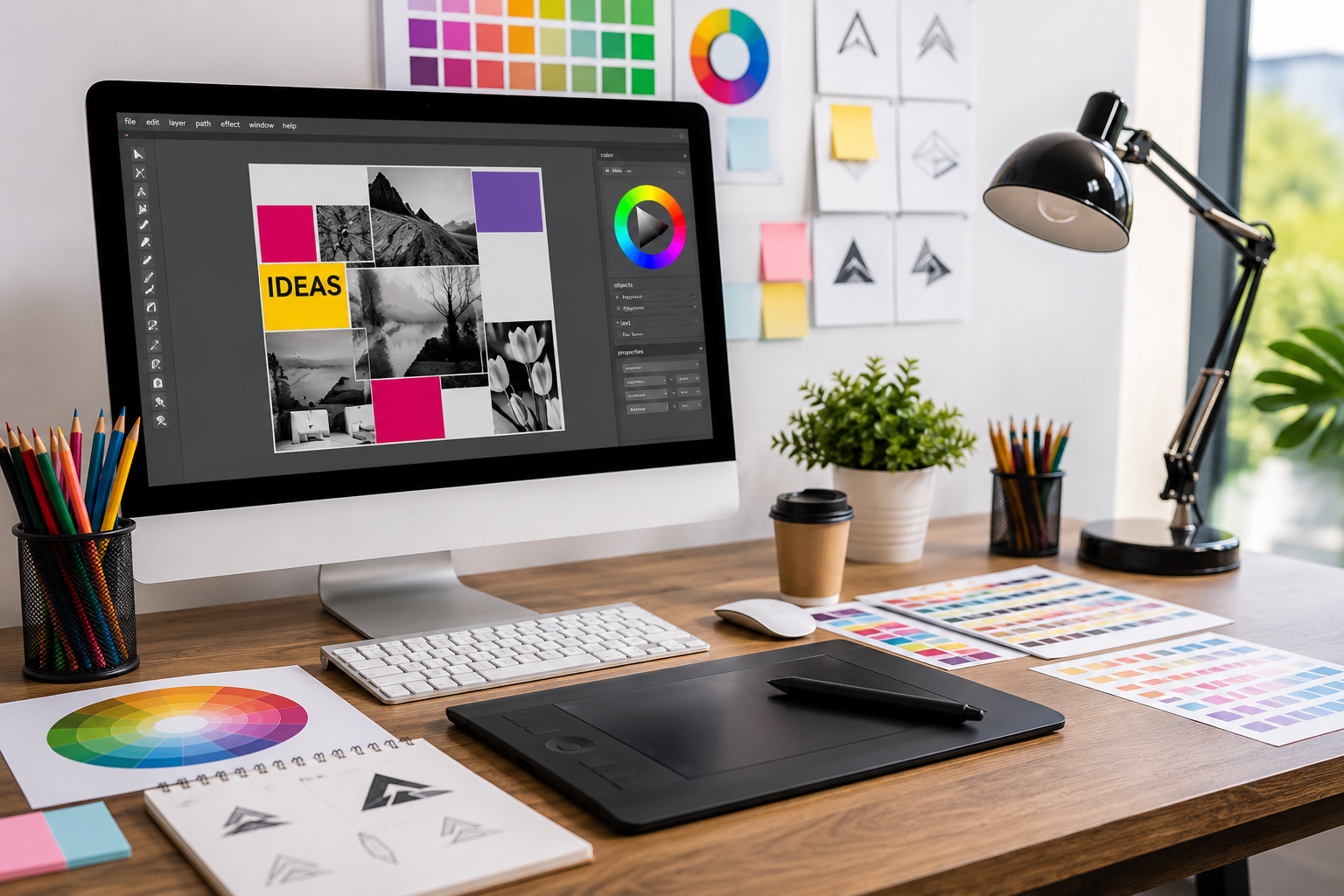
Career Opportunities After Completing a Graphic Design Course in Kalasima
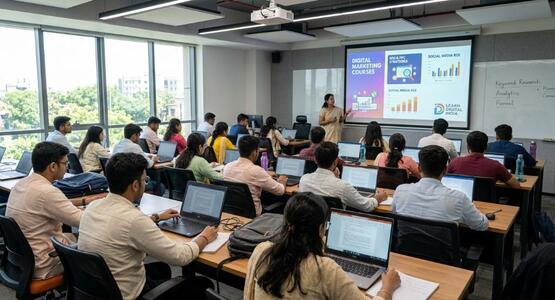
From Student to Digital Marketing Professional: How Digital Marketing Courses in Bongaon Can Transform Your Future
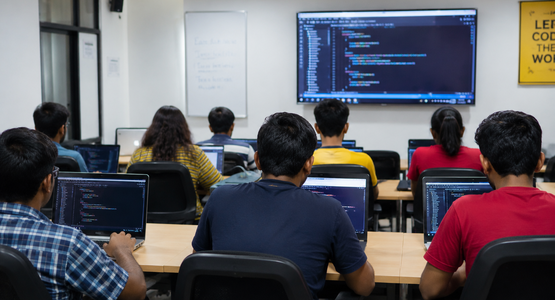
How Learning Python in Nahata Can Open Doors to Global Tech Opportunities

Why Students in Nahata Are Choosing Graphic Design as a Career in 2026

How a Mobile App Development Course in Kalasima Prepares You for the IT Industry
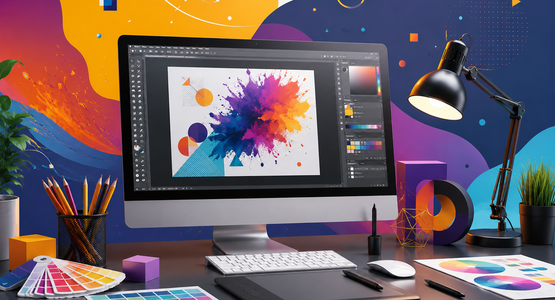
Graphic Designer Course in Helencha to Start a Successful Graphic Design Career

How Students Can Prepare for Job Opportunities for Graphic Designer in Kalupur

Programming Careers in Kolkata: What Happens After You Learn to Code?

Top Career Growth Opportunities for Digital Marketing Professionals in Gaighata

Career Opportunities After Learning Ionic App Design in Gopalnagar

Career Growth Potential Through IT Job Opportunities in Thakurnagar

Faculties from Mobile App Development Institute and Web Designing Institute work hand in hand as these are some of the essential requisites that a digital marketer needs to understand.
Sources