

One of the biggest reasons students choose graphic design is the opportunity to combine creativity with practical career development. Many young people enjoy drawing, creating visual content, experimenting with colours or developing creative ideas. Graphic design allows them to transform these interests into professional skills.
Unlike some creative fields that may offer limited career options, graphic design has direct applications in business, marketing and communication. Students learn how to use creativity to solve real world challenges. They create designs that help businesses communicate messages, attract customers and strengthen brand identity.
Modern graphic design involves much more than creating attractive visuals. Designers must understand audience behaviour, communication principles and branding strategies. They use creativity to achieve specific goals and improve user experiences.
In today's digital world, businesses, brands and content creators depend on powerful visuals to capture attention and communicate their message effectively. As a result, more students and aspiring professionals want to learn graphic design to build creative skills that are highly valued across industries. Whether your goal is to work for a company, start freelancing or support your own business, graphic design offers exciting opportunities to create impactful visual content while developing a future-focused career in a rapidly growing digital landscape.
This blend of artistic thinking and practical application appeals to many students. They appreciate the opportunity to express their creativity while developing skills that employers actively seek. Graphic design offers a balance between imagination and professional growth, making it an attractive choice for individuals who want both personal satisfaction and career potential.
Technology has also made graphic design more accessible than ever before. Professional software tools allow designers to create sophisticated visual content for digital and print platforms. Students who enjoy working with computers often find graphic design particularly appealing because it combines digital technology with creative expression.
Visual communication has become one of the most powerful tools in modern marketing. People are exposed to thousands of messages every day. Businesses have only a few seconds to capture attention and communicate their value.
Graphic designers help organisations achieve this goal. Through effective use of colour, typography, imagery and layout, designers create content that attracts audiences and delivers messages clearly.
Students in Nahata recognise the growing importance of visual communication because they experience it daily. Whether they are scrolling through social media, shopping online or watching digital advertisements, they constantly interact with professionally designed content.
Companies understand that good design influences customer perception. A well designed website creates a positive first impression. Attractive social media graphics encourage engagement. Professional branding helps businesses appear credible and memorable.
As competition increases across industries, businesses continue investing in high quality design. This investment creates opportunities for skilled graphic designers who can help organisations achieve their communication goals.
The growing emphasis on branding has also increased demand for creative professionals. Businesses want distinctive visual identities that help them stand out from competitors. Graphic designers play a central role in developing these identities and maintaining consistency across various marketing channels.
Social media has transformed the way businesses communicate with customers. Platforms such as Instagram, Facebook, LinkedIn and YouTube rely heavily on visual content. Companies must create engaging graphics regularly to maintain visibility and attract audiences.
This constant need for fresh content has created significant opportunities for graphic designers. Businesses require social media posts, promotional graphics, event announcements, advertisements and visual storytelling materials on an ongoing basis.
Students in Nahata spend considerable time using social media platforms. As a result, they understand the importance of visual content in attracting attention and driving engagement. Many become curious about how successful brands create appealing graphics and build strong online identities.
The rise of content creators, influencers and online entrepreneurs has further expanded opportunities within the graphic design industry. These individuals often require professional design support to strengthen their personal brands and communicate effectively with audiences.
Graphic design skills have therefore become valuable not only for traditional employment but also for supporting modern digital careers. Students appreciate the flexibility this provides because they can explore multiple professional pathways after developing their design abilities.
Another major reason students are choosing graphic design is the variety of career opportunities available within the field. Unlike some professions that lead to a narrow range of job roles, graphic design opens doors to numerous specialisations.
Some professionals focus on branding and identity design. Others specialise in advertising, packaging, publishing or digital marketing. Many designers work on website interfaces and mobile application visuals. Some develop expertise in illustration, motion graphics or multimedia content creation.
This diversity allows students to discover areas that match their interests and strengths. As they gain experience, they can specialise in fields that align with their career goals.
Graphic design also provides opportunities across multiple industries. Healthcare organisations, educational institutions, retail companies, technology firms, hospitality businesses and entertainment brands all require design expertise.
Because graphic design skills are transferable, professionals can move between industries more easily than in many other careers. This flexibility appeals to students who want diverse opportunities throughout their working lives.
The possibility of career progression is another attractive factor. Designers can advance into senior creative roles, brand management positions, marketing leadership opportunities or creative direction careers. Some eventually establish their own design businesses or agencies.
Work preferences have changed significantly in recent years. Many young professionals value flexibility, independence and the ability to work remotely. Graphic design aligns well with these expectations.
Freelance graphic designers can work with clients from different cities, regions and countries. Remote collaboration tools allow professionals to communicate effectively and manage projects regardless of location.
Students in Nahata are increasingly aware of these opportunities. They understand that graphic design skills can provide access to a broader marketplace beyond their immediate geographical area.
Freelancing offers additional advantages. Designers can build personal brands, choose projects that interest them and develop relationships with diverse clients. While freelancing requires dedication and business skills, many students find the possibility of independent work highly appealing.
Remote employment opportunities have also expanded. Companies increasingly hire designers who work from home or collaborate virtually with teams located elsewhere. This flexibility supports modern lifestyle preferences while providing access to professional opportunities.
The ability to earn income through multiple channels further enhances the appeal of graphic design. Professionals may combine full time employment with freelance projects, creating additional financial opportunities and career security.
Entrepreneurship is becoming increasingly popular among young people. Many students dream of launching businesses, developing personal brands or creating online ventures. Graphic design skills provide valuable support for these ambitions.
Entrepreneurs often need logos, marketing materials, social media graphics, websites and promotional content. Students with graphic design knowledge can create many of these assets independently, reducing costs and strengthening their business identities.
Understanding design principles also helps entrepreneurs communicate more effectively with customers. They gain insights into branding, visual storytelling and audience engagement that contribute to business growth.
Students in Nahata who aspire to become business owners recognise these advantages. Graphic design is not simply a career option. It is also a practical skill that supports broader professional goals.
The rise of e commerce has further increased the value of design knowledge. Online businesses depend heavily on visual presentation. Product images, promotional graphics and website design all influence customer purchasing decisions.
By learning graphic design, students gain skills that can benefit both employment opportunities and entrepreneurial ventures.
One reason graphic design remains attractive is its ability to evolve alongside technological changes. New platforms, communication methods and digital experiences continue creating fresh opportunities for designers.
The expansion of mobile technology has increased demand for user focused design. Businesses want digital experiences that are visually appealing and easy to navigate. Graphic designers contribute to these goals by creating effective interfaces and engaging visual elements.
Video content has also become increasingly important. Many organisations require graphics that support multimedia campaigns, online presentations and digital storytelling initiatives.
Artificial intelligence is influencing design workflows, but it has not reduced the importance of human creativity. Businesses still require professionals who understand strategy, audience behaviour and visual communication principles.
Students recognise that creativity remains a valuable skill even as technology advances. Graphic design combines creative thinking with technical knowledge, making it well positioned for future growth.
Industry experts continue to emphasise the importance of visual communication in modern business. As competition increases across digital platforms, organisations will likely invest even more heavily in design and branding activities.
Another reason students choose graphic design is the wide range of transferable skills they develop during the learning process. These skills extend beyond design itself and provide value in many professional environments.
Graphic design encourages creative problem solving. Students learn how to analyse communication challenges and develop effective visual solutions. This ability is useful across numerous industries and job roles.
Design education also strengthens attention to detail. Successful projects require careful consideration of colour, typography, layout and user experience. Students develop the ability to evaluate information critically and make thoughtful decisions.
Communication skills improve as well. Designers must understand client requirements, interpret feedback and present ideas clearly. These abilities contribute to professional success in many career paths.
Time management becomes important because design projects often involve deadlines and multiple tasks. Students learn how to organise their work efficiently while maintaining quality standards.
Digital literacy is another significant benefit. Graphic designers work with modern software tools and digital platforms, developing technical skills that are increasingly valuable in today's workplace.
Students naturally want careers that offer stability and growth potential. Graphic design continues to attract attention because it remains closely connected to essential business functions.
Companies will always need ways to communicate with customers, build brand recognition and promote products or services. Visual communication supports all these activities.
As businesses expand online, demand for graphic design skills remains strong. Websites, mobile applications, social media campaigns and digital advertising all depend on effective design.
The ability to adapt also contributes to career longevity. Graphic designers regularly learn new tools, techniques and trends. This culture of continuous development helps professionals remain relevant in changing markets.
Students in Nahata recognise that graphic design is not limited to one industry or platform. The skills they develop can be applied across various sectors and communication channels. This flexibility increases confidence in the long term value of the profession.
The combination of creativity, technology and business relevance makes graphic design particularly attractive for students seeking future focused careers.
The growing interest in graphic design among students in Nahata reflects broader changes in education, employment and technology. As businesses invest more heavily in digital communication, branding and online marketing, the demand for skilled graphic designers continues to rise.
Students are attracted to graphic design because it combines creativity with practical career opportunities. It offers flexibility, diverse job roles, freelance possibilities and strong connections to modern business needs. The profession allows individuals to develop valuable skills while contributing to meaningful projects across multiple industries.
The expansion of social media, digital marketing, e commerce and online communication has further strengthened the importance of visual content. Organisations increasingly depend on graphic designers to communicate effectively, build strong brands and engage audiences.
For many students in Nahata, graphic design represents more than a creative profession. It is a pathway to developing future ready skills, exploring diverse career opportunities and participating in a rapidly growing digital economy. As technology continues to evolve and businesses place greater emphasis on visual communication, graphic design is likely to remain one of the most attractive career choices for ambitious and creative students in 2026 and beyond.
At V1 Academy, we provide a practical Graphic Design Course in Nahata designed to help students develop creative skills that match today's digital industry requirements. We focus on hands-on learning, industry-standard design tools, and real-world projects, helping learners build confidence, strengthen their portfolios, and prepare for exciting opportunities in graphic design, branding, digital marketing, and visual communication.

From Student to Developer: The Power of Programming Training in Gaighata

Career Opportunities After Completing a Graphic Design Course in Kalasima
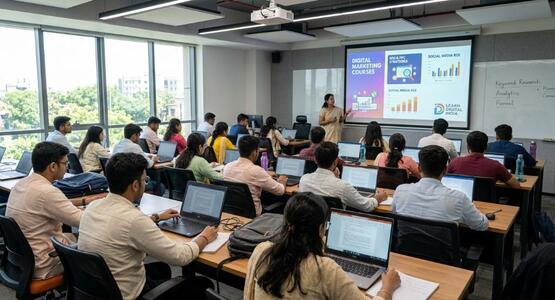
From Student to Digital Marketing Professional: How Digital Marketing Courses in Bongaon Can Transform Your Future

How Learning Python in Nahata Can Open Doors to Global Tech Opportunities

How a Mobile App Development Course in Kalasima Prepares You for the IT Industry
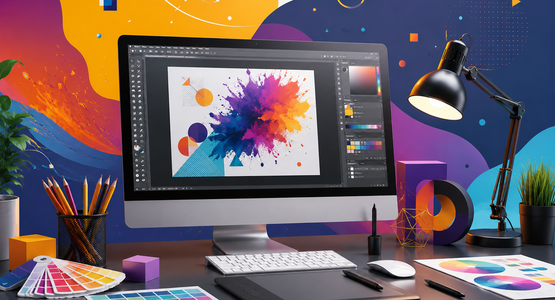
Graphic Designer Course in Helencha to Start a Successful Graphic Design Career

How Students Can Prepare for Job Opportunities for Graphic Designer in Kalupur

Programming Careers in Kolkata: What Happens After You Learn to Code?

Top Career Growth Opportunities for Digital Marketing Professionals in Gaighata

Career Opportunities After Learning Ionic App Design in Gopalnagar

Career Growth Potential Through IT Job Opportunities in Thakurnagar

Why Learning SEO Can Open Doors to Digital Marketing Jobs in Dogachia

Faculties from Mobile App Development Institute and Web Designing Institute work hand in hand as these are some of the essential requisites that a digital marketer needs to understand.
Sources