

The creative industry is growing faster than many people expected. Businesses of every size now need eye catching visuals to attract customers, build trust and stand out in crowded markets. From social media posts and website graphics to product packaging and advertising materials, graphic design has become an essential part of modern communication. This shift has created exciting career opportunities for students who want to turn their creativity into a valuable professional skill.
Many students in Kalasima are exploring career focused courses that can help them enter the job market with practical abilities. A Graphic Design Course in Kalasima offers an opportunity to learn design principles, visual communication, branding concepts and industry standard software that are used across multiple sectors. As businesses continue to invest in digital marketing, online branding and content creation, the demand for skilled graphic designers continues to rise.
One of the biggest advantages of learning graphic design is the wide range of career paths available after completing training. Unlike many fields that limit graduates to a single profession, graphic design opens doors to different industries and work environments. Whether someone wants to work for a company, join an agency, become a freelancer or even start a creative business, design skills can provide a strong foundation for long term career growth.
The digital world depends heavily on visual content. Every website, mobile application, social media campaign and advertising project requires design input. Companies understand that customers often form opinions within seconds of seeing a brand's visual identity. Because of this, organisations are constantly searching for professionals who can create attractive and meaningful designs.
A Graphic Design Course helps students understand colour theory, typography, layout design, branding strategies and user focused visual communication. These skills are useful across industries including retail, healthcare, education, technology, hospitality, entertainment and e commerce. As more businesses build their online presence, the need for creative professionals continues to grow.
Design is no longer limited to traditional print materials. Modern designers contribute to digital campaigns, website layouts, mobile app interfaces, social media graphics, online advertisements and video content. This expansion has created new career opportunities for individuals who possess creative thinking and technical design skills.
Students often ask whether graphic design remains a good career choice in today's competitive market. The answer lies in the increasing importance of visual communication. Businesses constantly need fresh content, strong branding and engaging customer experiences. Skilled designers play an important role in achieving these goals.
One of the most attractive aspects of graphic design is the variety of professional roles available after training. Students who complete a Graphic Design Course in Kalasima can explore opportunities in multiple creative fields depending on their interests and strengths.
Many graduates begin their careers as graphic designers working within marketing teams, advertising agencies or design studios. In this role, professionals create marketing materials, digital advertisements, brochures, banners, business presentations and branding assets. This position helps new designers gain practical experience while building a professional portfolio.
Another popular career option is becoming a visual designer. Visual designers focus on creating engaging graphics for websites, mobile applications and digital platforms. Their work combines creativity with an understanding of user behaviour and modern design trends.
Brand identity design is another growing area. Brand designers create logos, colour systems, typography guidelines and visual elements that help companies establish a strong and recognisable identity. Businesses frequently invest in branding projects because a consistent visual identity helps them attract and retain customers.
Students interested in advertising may pursue careers in creative agencies where they work on campaigns for different clients. This environment provides exposure to diverse projects and allows designers to develop a broad skill set while working alongside marketing professionals, copywriters and strategists.
Freelancing has transformed the graphic design industry. Today, many businesses hire freelance designers instead of maintaining large in house creative teams. This trend has created significant opportunities for skilled professionals who want flexibility and independence.
After completing a Graphic Design Course, individuals can offer services such as logo design, social media graphics, brochure creation, website graphics and brand development. Freelancers often work with local businesses, start ups, entrepreneurs and international clients.
One of the major benefits of freelancing is the ability to choose projects that match personal interests and creative strengths. Designers can build expertise in specific areas and develop long term client relationships. With a strong portfolio and professional approach, freelance graphic designers can create sustainable careers while working from almost anywhere.
Freelancing also encourages continuous learning. Designers regularly encounter different industries, branding challenges and creative requirements. This variety helps improve problem solving skills and broadens professional experience over time.
Many successful graphic designers begin by taking small projects while continuing their education or working in entry level positions. As their portfolio grows and client recommendations increase, they gradually expand their freelance business and establish a stronger presence in the creative market.
The growth of digital marketing has created additional demand for graphic design professionals. Every online marketing campaign requires visual content that captures attention and encourages audience engagement. As a result, designers often work closely with marketing teams to create effective campaigns.
Graphic designers contribute to social media marketing by creating posts, banners, advertisements and promotional graphics. Businesses use these visuals to communicate messages, promote products and build brand awareness. Designers who understand both creativity and marketing principles often become highly valued members of digital marketing teams.
Content creation is another area where design skills provide a strong advantage. Modern content includes blogs, infographics, videos, presentations and interactive media. Visual elements help improve audience engagement and make information easier to understand. Companies increasingly seek professionals who can combine design expertise with content development strategies.
Students who develop skills in graphic design alongside digital marketing knowledge can access a wider range of career opportunities. This combination is particularly valuable because organisations want professionals who understand both visual communication and audience engagement.
The future of graphic design continues to look promising as businesses place greater emphasis on digital communication and brand development. Emerging technologies, changing consumer behaviour and increasing online competition are creating new opportunities for creative professionals.
Artificial intelligence, automation and digital tools are changing how designers work, but they are not replacing creativity. Businesses still need human insight, original ideas and strategic thinking to create meaningful visual experiences. Skilled designers who continue learning and adapting to industry changes are likely to remain in demand.
Students who invest time in developing strong design foundations, practical software skills and creative problem solving abilities can position themselves for long term career success. A Graphic Design Course in Kalasima can serve as the starting point for careers in branding, advertising, digital marketing, content creation, user experience design and freelance entrepreneurship.
As organisations continue searching for innovative ways to communicate with audiences, graphic design remains one of the most versatile and rewarding creative professions. For students who enjoy creativity, technology and visual storytelling, the opportunities available after completing a graphic design course are both diverse and exciting.
As designers gain experience, many choose to move into specialised areas that offer exciting challenges and strong career growth. A Graphic Design Course in Kalasima can provide the foundation needed to explore these advanced opportunities. While general graphic design remains an excellent career path, specialisation often allows professionals to develop expertise in a particular field and increase their value in the job market.
One growing area is user interface design. User interface designers focus on the visual elements people interact with when using websites, software and mobile applications. They create layouts, buttons, navigation systems and visual structures that help users complete tasks easily. As businesses invest more in digital products, the demand for designers who understand digital experiences continues to increase.
Another attractive option is motion graphics design. Motion graphics combine graphic design principles with animation to create engaging visual content. Businesses use motion graphics for social media campaigns, online advertisements, presentations, product demonstrations and educational content. With video content becoming increasingly popular across digital platforms, motion graphic designers are finding more opportunities than ever before.
Packaging design is another specialised field that remains highly important. Product packaging often influences purchasing decisions, especially in competitive retail environments. Designers working in this area create packaging concepts that communicate brand values while attracting customer attention. Companies frequently seek creative professionals who understand both aesthetics and consumer behaviour.
Publication design also continues to offer career opportunities. Designers in this field work on magazines, books, reports, catalogues and digital publications. Although digital media has grown significantly, organisations still require professionally designed publications that present information clearly and effectively.
Environmental graphic design is another interesting career path. This area focuses on visual communication within physical spaces. Designers create signage systems, exhibition graphics, wayfinding solutions and branded environments for businesses, institutions and public spaces. This field combines creativity with practical problem solving and spatial thinking.
One of the most important factors influencing career success in graphic design is the quality of a designer's portfolio. Employers and clients often place greater emphasis on demonstrated skills than on qualifications alone. A strong portfolio allows designers to showcase their creativity, technical ability and problem solving approach through real examples of work.
Students completing a Graphic Design Course should focus on developing a diverse collection of projects. A portfolio that includes branding concepts, social media graphics, advertising materials, packaging designs and digital layouts demonstrates versatility and adaptability. Employers often appreciate candidates who can work across different types of projects and industries.
Quality matters more than quantity. A carefully selected portfolio featuring well executed projects usually creates a stronger impression than a large collection of average work. Each project should clearly demonstrate the designer's thought process, creative decisions and ability to solve communication challenges.
Personal projects can also strengthen a portfolio. Many successful designers create independent design concepts, fictional brand identities or creative campaigns to demonstrate their abilities. These projects allow designers to explore ideas freely while showcasing their skills to potential employers and clients.
As careers progress, portfolios should evolve alongside experience and industry trends. Regular updates help designers present their most current work and demonstrate continued professional development. A strong portfolio often becomes one of the most powerful tools for securing interviews, freelance projects and career advancement opportunities.
Graphic design is not only a pathway to employment. It can also support entrepreneurship and business ownership. Many creative professionals use their design skills to launch their own ventures and build independent careers.
Some designers establish creative agencies that provide branding, marketing and design services to businesses. Others focus on specialised niches such as logo design, social media content creation or website graphics. By developing expertise and building a reputation, designers can attract clients from various industries and create sustainable businesses.
Design skills are also valuable for individuals who want to start businesses outside the creative sector. Entrepreneurs who understand visual communication can create stronger brand identities, marketing materials and promotional content for their own ventures. This ability can reduce costs while improving brand presentation and customer engagement.
The rise of digital commerce has created additional opportunities. Many designers create and sell digital products such as templates, design assets, presentation themes and creative resources. These products can generate income while allowing designers to reach customers beyond their local area.
Some professionals combine graphic design with other skills such as photography, content creation, video editing or digital marketing. This combination allows them to offer broader services and attract a wider client base. The flexibility of graphic design makes it an excellent foundation for entrepreneurial growth and innovation.
Technical skills remain important, but employers increasingly look for a combination of creativity, communication and problem solving abilities. A Graphic Design Course helps students develop software knowledge, but long term career success often depends on a wider range of professional skills.
Creative thinking remains at the centre of graphic design. Employers want individuals who can develop original concepts and communicate ideas visually. Designers must understand how to transform information into engaging and meaningful visuals that achieve specific goals.
Communication skills are equally valuable. Designers regularly collaborate with clients, managers, marketers and other creative professionals. The ability to understand project requirements, explain design decisions and respond to feedback helps build strong professional relationships.
Time management is another important skill. Design projects often involve deadlines, revisions and multiple responsibilities. Professionals who can organise their workload effectively are better equipped to meet expectations and maintain high standards of work.
Adaptability has become increasingly important as design trends, technologies and business needs continue to evolve. Employers appreciate designers who remain open to learning new tools, exploring emerging techniques and expanding their capabilities. Continuous improvement helps professionals remain competitive within the creative industry.
Attention to detail also plays a significant role in graphic design success. Small mistakes can affect the effectiveness of a design project. Strong designers carefully review their work to ensure accuracy, consistency and visual quality before delivering final materials.
Businesses in Kalasima and surrounding areas are becoming more aware of the importance of professional visual communication. Whether a company operates online or serves local customers, its visual identity influences how people perceive its products and services.
Small businesses often need logos, brochures, business cards, promotional materials and social media graphics to establish a professional presence. As competition increases, businesses seek ways to stand out and attract attention. Skilled graphic designers help them achieve this through effective branding and visual storytelling.
Educational institutions, healthcare providers, retailers, restaurants and service based companies all use design to communicate with customers. This broad demand creates opportunities for graphic designers to work across different sectors and industries.
Local businesses increasingly use digital marketing channels to reach audiences. This shift requires regular visual content for websites, social media platforms and online advertising campaigns. Designers who understand modern marketing requirements can provide valuable support while building long term professional relationships with local organisations.
The growing importance of visual branding means graphic design skills are becoming more relevant across every industry. Students who develop these skills can contribute to business growth while building rewarding careers in creative and commercial environments.
Graphic design is a field that rewards curiosity and continuous development. The most successful designers understand that learning does not stop after completing a course. Industry trends, software updates and changing consumer preferences create ongoing opportunities for growth.
Professional development can take many forms. Designers often expand their knowledge by exploring branding strategies, digital marketing concepts, user experience principles and emerging technologies. These additional skills increase career flexibility and open doors to more advanced roles.
Networking also contributes to professional growth. Connecting with other designers, industry professionals and business owners can lead to collaboration opportunities, mentorship and career advancement. Building strong professional relationships often plays an important role in long term success.
Experience gradually increases confidence and expertise. Each project teaches valuable lessons about creativity, communication and problem solving. Over time, designers develop a deeper understanding of client needs and become more effective at creating visual solutions that deliver meaningful results.
For students considering a Graphic Design Course in Kalasima, the future offers a wide range of possibilities. From traditional graphic design roles and digital marketing positions to freelancing, entrepreneurship and specialised creative careers, the opportunities continue to expand. With dedication, practice and a willingness to learn, graphic design can become a rewarding profession that combines creativity, technology and career growth in a rapidly evolving world.
At V1 Technologies, we provide a professionally structured Graphic Design Course in Kalasima designed to help students build practical design skills, creative thinking abilities and industry knowledge that employers value. We focus on hands on learning, modern design tools and real world projects so learners can develop confidence, create an impressive portfolio and prepare for a wide range of opportunities in the creative industry.

From Student to Developer: The Power of Programming Training in Gaighata
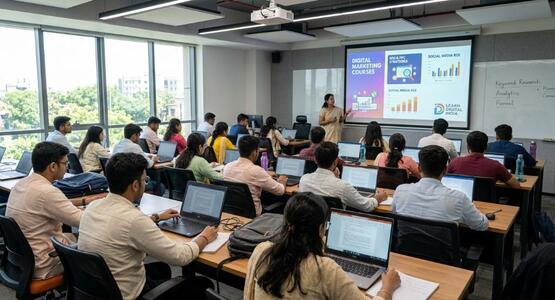
From Student to Digital Marketing Professional: How Digital Marketing Courses in Bongaon Can Transform Your Future

How Learning Python in Nahata Can Open Doors to Global Tech Opportunities

Why Students in Nahata Are Choosing Graphic Design as a Career in 2026

How a Mobile App Development Course in Kalasima Prepares You for the IT Industry
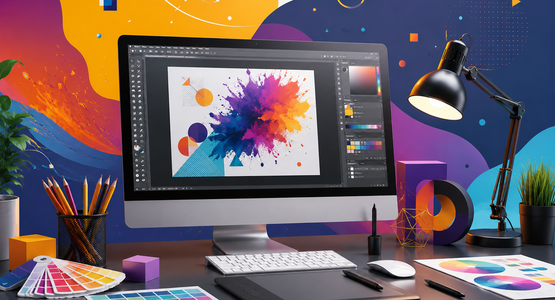
Graphic Designer Course in Helencha to Start a Successful Graphic Design Career

How Students Can Prepare for Job Opportunities for Graphic Designer in Kalupur

Programming Careers in Kolkata: What Happens After You Learn to Code?

Top Career Growth Opportunities for Digital Marketing Professionals in Gaighata

Career Opportunities After Learning Ionic App Design in Gopalnagar

Career Growth Potential Through IT Job Opportunities in Thakurnagar

Why Learning SEO Can Open Doors to Digital Marketing Jobs in Dogachia

Faculties from Mobile App Development Institute and Web Designing Institute work hand in hand as these are some of the essential requisites that a digital marketer needs to understand.
Sources