

In a world where almost every business, idea, and personal brand exists online, websites have become the foundation of digital presence. Whether someone wants to start a career, grow a business, or build a personal portfolio, understanding how websites are designed and developed is now a highly valuable skill. A website design and development course offers a structured pathway into this growing field, helping learners understand both the creative and technical sides of building modern websites. For beginners and career changers alike, this area of learning opens the door to long term opportunities in digital marketing, technology, and entrepreneurship.
Today, many people search for simple answers to questions like what is a website design and development course, who should learn it, and how it helps in building a career. These voice search type queries reflect a clear shift in learning behaviour. People want practical knowledge that leads to real skills. They want guidance that is easy to understand and grounded in real world application. A well planned course helps learners move from basic concepts to confident website creation through hands on experience and guided practice.
The growing demand for digital skills means that website design training and web development training are no longer limited to IT professionals. Students, freelancers, business owners, and job seekers are now exploring this field because it offers flexibility, creativity, and career growth. A structured learning environment that combines design thinking with development knowledge helps individuals understand how websites work from start to finish. It also builds confidence in creating user friendly digital experiences that people trust and enjoy using.
The digital economy continues to expand at a rapid pace, and websites remain the centre of online interaction. Businesses rely on websites to connect with customers, share information, and generate revenue. Because of this, the need for skilled individuals who understand website design and development is increasing every year. Learning these skills provides not only technical knowledge but also an understanding of user behaviour, content structure, and visual communication.
A website design and development course usually focuses on the balance between creativity and functionality. Learners explore how layout, colour, and typography influence user experience. At the same time, they gain an understanding of how coding supports the structure and performance of a website. This combination helps learners create websites that look professional and perform smoothly across devices.
When people ask what skills are needed to become a web designer or developer, the answer often begins with understanding the basics of HTML, CSS, and simple scripting concepts. These elements form the building blocks of every website. Over time, learners begin to understand how websites respond to user actions, how pages are structured, and how content is presented. This step by step approach makes the learning process more accessible and less overwhelming.
The importance of these skills goes beyond employment. Many individuals want to build personal websites, create blogs, or start small online businesses. A course that explains the full process from planning to publishing helps them turn ideas into reality. The ability to design and develop a website creates independence and allows individuals to control their own digital space.
Learning from random online sources can sometimes lead to confusion because the information may not follow a logical path. A structured website design and development course provides clarity and direction. It starts with fundamental concepts and gradually introduces more advanced techniques. This guided learning approach helps learners understand not just how to build a website, but why certain decisions matter.
In a structured course environment, learners gain experience through practical projects. This project based learning builds confidence and creates a portfolio that reflects genuine skill. Real world examples help students understand how websites are used in business, education, and everyday communication. Over time, this exposure builds both technical ability and problem solving skills.
Many learners also want to know how long it takes to learn website design and development. The answer depends on dedication, practice, and the depth of learning. A comprehensive course helps individuals build strong foundations, which makes future learning easier. Once the basics are clear, learners can continue to explore new tools and techniques as the industry evolves.
Another key benefit of structured learning is mentorship and feedback. Guidance from experienced trainers helps learners avoid common mistakes and develop better practices. This interaction strengthens understanding and encourages continuous improvement. It also creates a sense of community where learners feel supported and motivated.
Courses that follow industry standards help learners stay updated with current trends. Topics such as responsive design, user experience, and content structure are now essential. Understanding how websites adapt to mobile devices and how users interact with content prepares learners for real world challenges. This knowledge helps them create websites that are both functional and engaging.
One of the most common questions people ask is whether learning website design and development can lead to a stable career. The answer is yes. As more organisations move online, the need for skilled web designers and developers continues to grow. Businesses need professionals who can create attractive and easy to use websites that reflect their brand and support their goals.
A website design and development course opens the door to multiple career paths. Some individuals choose to work in companies, while others prefer freelancing. Freelancers often enjoy the flexibility of working on different projects and building a diverse portfolio. With experience, many professionals also move into related areas such as user experience design, digital marketing, and content management.
For students and fresh graduates, learning website design and development can be a strong starting point. It helps them build practical skills that employers value. Many organisations look for candidates who can contribute to digital projects from the beginning. A solid understanding of website structure and design gives learners an advantage in competitive job markets.
Another important aspect of this field is continuous growth. Technology changes quickly, and new tools are introduced regularly. A strong foundation helps learners adapt to these changes. When someone understands the basics clearly, learning new platforms and techniques becomes easier. This ability to grow and evolve is what makes website design and development a long term career option.
People also ask if this field is suitable for non technical learners. The answer is yes. Many courses are designed to make learning simple and practical. Step by step guidance helps beginners understand concepts without feeling overwhelmed. With regular practice, even those without a technical background can become confident in creating websites.
Website design and development is not only about coding. It is about solving problems and creating meaningful digital experiences. A good course helps learners develop creative thinking along with technical skills. This combination is important because websites must look appealing while also being easy to use.
Understanding design principles helps learners create layouts that guide users naturally through content. They learn how to organise information so that visitors can find what they need quickly. This focus on user experience improves the effectiveness of websites and builds trust with visitors.
At the same time, technical knowledge ensures that websites work smoothly. Learners begin to understand how pages load, how content is structured, and how different elements interact. This understanding helps them build websites that perform well across different devices and internet speeds.
Many learners also discover that website design and development encourages independent learning. Once the basics are clear, they start exploring new ideas and experimenting with creative designs. This curiosity leads to deeper understanding and skill development. Over time, they become more confident in handling projects on their own.
Another important part of learning is understanding the role of collaboration. In real world projects, designers and developers often work together. A course that explains both sides helps learners communicate better and understand the complete process. This knowledge is valuable in both team environments and freelance work.
As digital platforms continue to grow, websites remain one of the most reliable and trusted ways to share information. Social media may change trends quickly, but websites provide stability and control. Businesses, institutions, and individuals rely on websites to present their identity and communicate with their audience.
This lasting importance makes website design and development a future ready skill. Learning how to create and manage websites gives individuals the ability to adapt to new opportunities. Whether someone wants to build a career, start a business, or simply learn a valuable skill, this knowledge continues to be relevant.
A website design and development course also supports lifelong learning. Once learners understand the basics, they can continue improving their skills by exploring new tools, reading industry resources, and practising regularly. This continuous growth helps them stay confident and competitive in a fast changing digital environment.
Many learners also find that this field encourages problem solving and critical thinking. Each website project presents unique challenges. Finding solutions builds patience and creativity. Over time, learners develop a mindset that helps them approach challenges with confidence and clarity.
Learning website design and development is not just about technology. It is about understanding people and how they interact with digital spaces. This human centred approach makes the learning experience meaningful and practical. It helps learners create websites that truly serve their purpose and meet the needs of users.
As more people look for ways to build online careers, the demand for clear, practical training continues to rise. A structured course that focuses on real skills, simple learning, and guided practice provides a strong foundation for anyone entering this field. It supports learners in building both confidence and competence, which are essential for long term success.

From Student to Developer: The Power of Programming Training in Gaighata

Career Opportunities After Completing a Graphic Design Course in Kalasima

From Student to Digital Marketing Professional: How Digital Marketing Courses in Bongaon Can Transform Your Future
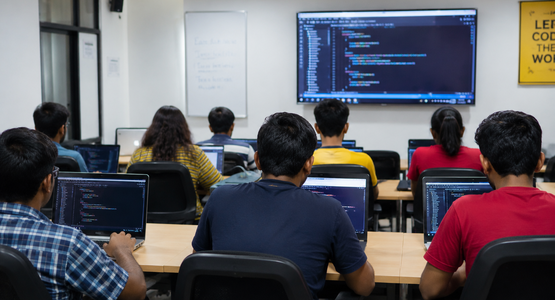
How Learning Python in Nahata Can Open Doors to Global Tech Opportunities

Why Students in Nahata Are Choosing Graphic Design as a Career in 2026
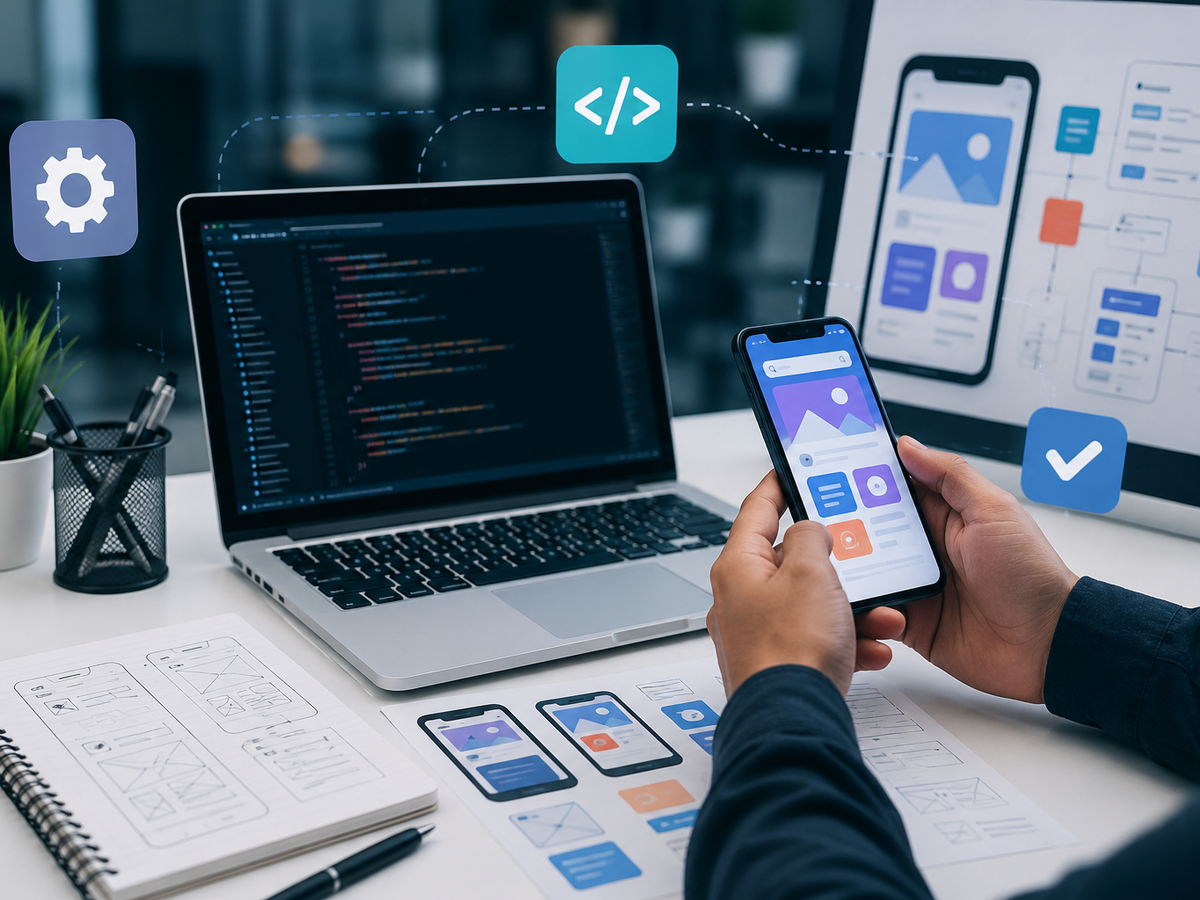
How a Mobile App Development Course in Kalasima Prepares You for the IT Industry
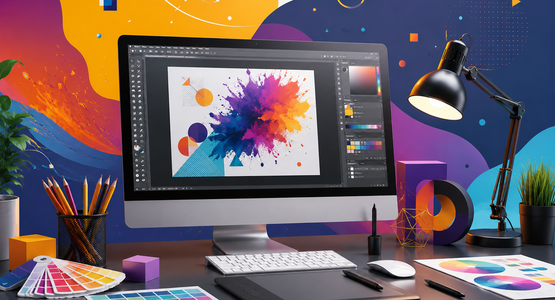
Graphic Designer Course in Helencha to Start a Successful Graphic Design Career

How Students Can Prepare for Job Opportunities for Graphic Designer in Kalupur

Programming Careers in Kolkata: What Happens After You Learn to Code?

Top Career Growth Opportunities for Digital Marketing Professionals in Gaighata

Career Opportunities After Learning Ionic App Design in Gopalnagar

Career Growth Potential Through IT Job Opportunities in Thakurnagar

Faculties from Mobile App Development Institute and Web Designing Institute work hand in hand as these are some of the essential requisites that a digital marketer needs to understand.
Sources