

The digital world grows every day, and behind every successful online platform is a strong understanding of how websites are designed and built. A Website Design and Development Course is not just about learning how to code. It is about understanding how ideas become digital experiences that people can use, trust and enjoy. Whether someone wants to start a new career, build freelance skills, launch a personal brand or simply understand how the internet works, structured training in web design and development offers a clear and practical path forward.
Today, many people search online asking what is included in a website design and development course, how long it takes to learn web development, whether coding is difficult for beginners, and what career options are available after training. These are real questions based on real user intent. This guide answers them in simple UK English while exploring the skills, tools, career pathways and long term benefits connected to professional web training. The focus is on helping learners understand the subject deeply so they can make informed decisions about their future.
A well structured Website Design and Development Course begins with the core building blocks of the web. Students first learn HTML, which provides the structure of a website. HTML defines headings, paragraphs, images, forms and navigation elements. Without this foundation, nothing on a webpage would appear in an organised way. Once learners understand structure, they move to CSS, which controls visual design. CSS allows you to change colours, spacing, fonts, layouts and responsiveness. It is what makes a website visually appealing and aligned with brand identity.
After structure and styling, most modern courses introduce JavaScript. This programming language brings websites to life by adding interactivity. With JavaScript, buttons respond when clicked, forms validate user input, sliders move automatically and dynamic content updates without reloading the page. These skills transform a static webpage into a user friendly digital experience.
Beyond coding basics, professional training also covers responsive web design. Since users access websites on phones, tablets and desktops, websites must adjust smoothly to different screen sizes. Learners understand how flexible grids, media queries and mobile first design ensure usability across devices. This is not optional in today’s environment. It is a core requirement for both user satisfaction and search engine visibility.
Another important part of learning is user experience and user interface principles. Good design is not only about colours and layout. It is about understanding how people think and behave online. Students explore how to create clear navigation, readable content hierarchy and intuitive calls to action. When websites are easy to use, visitors stay longer and trust the brand more.
Professional courses also introduce website deployment. Learners understand how hosting works, how domain names connect to servers and how to publish a website online. This real world exposure builds confidence. Instead of just creating files on a computer, students see their projects live on the internet, which is a powerful and motivating experience.
Quality training environments, such as those promoted through educational platforms like V1 Academy, emphasise hands on practice. Learners work on practical assignments, build complete websites and solve real world challenges. This practical approach ensures that knowledge is not only theoretical but directly applicable in professional settings.
One of the most common questions people ask is whether a Website Design and Development Course leads to real job opportunities. The answer is yes, provided the training is practical and skill focused. Businesses of all sizes need websites. From local shops and service providers to international brands, everyone depends on digital presence. This demand creates ongoing need for skilled web designers and developers.
Entry level roles often include junior web developer, front end developer or website designer. In these positions, professionals build layouts, update content, fix bugs and collaborate with marketing teams. With experience, individuals can grow into senior developer roles, full stack development, user experience design or even project management. Some learners choose freelance careers, offering website development services to clients worldwide. Freelancing allows flexibility and independence, especially for those who prefer remote work.
Another growing area is website optimisation and performance improvement. Businesses want faster websites because speed affects search rankings and user satisfaction. Developers who understand optimisation techniques become valuable assets. Similarly, knowledge of website security and maintenance increases professional reliability and trustworthiness.
Many people also use their skills to build personal projects. Entrepreneurs launch ecommerce websites. Creators build portfolio platforms. Community leaders develop informational websites. Learning web development removes dependence on third parties and gives individuals direct control over their digital presence.
Importantly, the skills gained in web training also build logical thinking and problem solving abilities. Writing code teaches attention to detail and structured reasoning. These transferable skills are respected across industries, even outside pure technology roles.
Selecting the right Website Design and Development Course requires careful thought. Not all training programmes are equal. A strong course should offer clear learning outcomes, structured modules and experienced instructors who understand real industry demands. It should balance theory with practical application. Learners benefit most when they build actual projects rather than only reading about concepts.
The teaching style should be simple and supportive, especially for beginners. Coding can feel overwhelming at first, but clear explanations and guided exercises make it manageable. Step by step learning builds confidence steadily. Courses that encourage questions and provide feedback create stronger understanding.
Another factor to consider is alignment with current industry standards. Web technologies evolve regularly. Good programmes update their curriculum to include modern responsive design practices, accessibility awareness and clean coding standards. This ensures learners graduate with relevant and up to date skills.
Trustworthiness also matters. Transparent communication about course structure, duration and expected outcomes reflects professionalism. Reputable training providers focus on skill development rather than unrealistic promises. They support learners in building genuine competence that leads to sustainable career growth.
It is also helpful if the course environment encourages portfolio development. Employers and clients want to see proof of skill. A portfolio of completed websites demonstrates ability far better than a certificate alone. Therefore, learners should prioritise programmes that guide them in creating real, functional projects.
Technology changes quickly, yet the need for websites remains constant. While platforms and tools evolve, the core principles of website structure, styling and interactivity continue to form the backbone of digital communication. Businesses will always require online visibility. Governments will continue to publish information digitally. Educational institutions, healthcare providers and community organisations depend on accessible web platforms.
Search engines prioritise well structured, responsive and user friendly websites. This means skilled developers who understand technical best practice will continue to be in demand. Furthermore, as artificial intelligence and automation grow, websites still need human understanding of user behaviour, design psychology and content clarity. Machines can assist, but thoughtful design and development require trained professionals.
Voice search and AI driven queries are also shaping the web. Modern developers must understand how to structure content clearly so that search engines and digital assistants can interpret it accurately. This makes foundational knowledge even more valuable. A strong training course introduces these broader digital trends so learners understand not just how to build websites but how those websites function within the wider online ecosystem.
Continuous learning is part of this field. After completing a course, professionals often explore advanced frameworks, content management systems and performance optimisation tools. However, the foundation remains the same. Strong basics in HTML, CSS and JavaScript provide long term stability in a changing industry.
Confidence grows through practice. Many beginners worry that coding is too difficult or too technical. In reality, web development becomes manageable when taught step by step. Each concept builds on the previous one. Writing your first simple webpage leads to styling it. Styling leads to adding interactivity. Interactivity leads to building complete functional websites.
Hands on learning transforms abstract ideas into practical understanding. When learners fix errors, debug problems and see improvements directly, they develop resilience and problem solving ability. This experience is what employers value most. It demonstrates not only technical knowledge but also persistence and adaptability.
Educational platforms that emphasise practical exposure reflect real industry workflows. Students learn how to test websites, check browser compatibility and improve loading speed. They understand that development is not only about writing code once but about refining, updating and maintaining digital systems over time.
Through consistent practice and structured guidance, even beginners with no technical background can build professional level skills. The key is commitment, curiosity and a supportive learning environment.
A Website Design and Development Course offers more than technical instruction. It provides a pathway into one of the most flexible and future relevant skill areas in the digital economy. By learning how websites are structured, styled and made interactive, individuals gain the power to create meaningful online experiences. Whether the goal is employment, freelancing or personal growth, structured web training builds confidence, expertise and long term opportunity.
Choosing the right course involves evaluating practical learning opportunities, curriculum relevance and instructor credibility. With the right foundation, learners can grow steadily into skilled professionals who contribute real value to businesses and communities. In a world where digital presence defines success, understanding website design and development is not just useful. It is essential.

From Student to Developer: The Power of Programming Training in Gaighata

Career Opportunities After Completing a Graphic Design Course in Kalasima

From Student to Digital Marketing Professional: How Digital Marketing Courses in Bongaon Can Transform Your Future
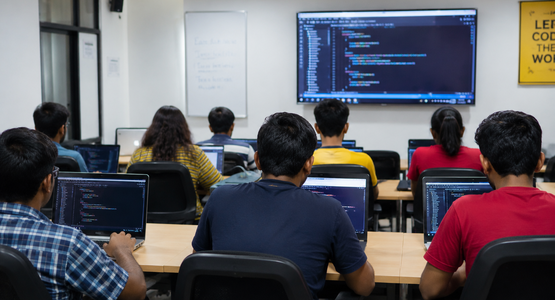
How Learning Python in Nahata Can Open Doors to Global Tech Opportunities

Why Students in Nahata Are Choosing Graphic Design as a Career in 2026
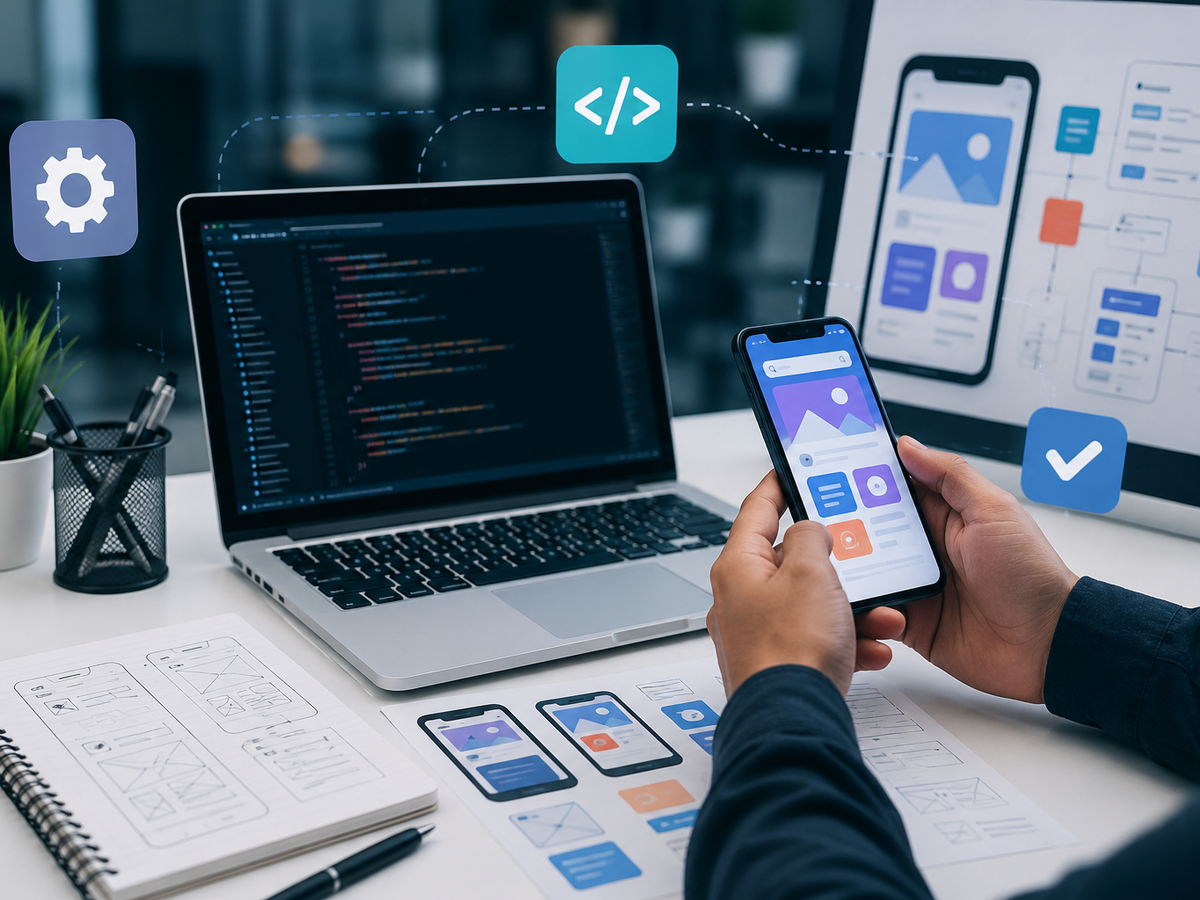
How a Mobile App Development Course in Kalasima Prepares You for the IT Industry

Graphic Designer Course in Helencha to Start a Successful Graphic Design Career

How Students Can Prepare for Job Opportunities for Graphic Designer in Kalupur

Programming Careers in Kolkata: What Happens After You Learn to Code?

Top Career Growth Opportunities for Digital Marketing Professionals in Gaighata

Career Opportunities After Learning Ionic App Design in Gopalnagar

Career Growth Potential Through IT Job Opportunities in Thakurnagar

Faculties from Mobile App Development Institute and Web Designing Institute work hand in hand as these are some of the essential requisites that a digital marketer needs to understand.
Sources