

The internet has become the primary space where people learn discover compare and make decisions. Every business brand and professional presence today relies on a website to communicate trust value and purpose. Because of this growing dependence learning website design and development has shifted from being a niche technical skill to a core digital capability. A well structured website design and development course helps learners understand how websites are planned designed built and maintained in a way that serves real users and real business goals. This blog explores the knowledge areas skills and mindset developed through learning website design and development and why these skills matter in the modern digital economy.
Website design and development is not just about writing code or choosing colours. It is about solving problems through digital experiences. A website must load quickly look professional work across devices and guide users naturally toward information or action. When people search online for guidance on website design and development they are often looking for clarity on how websites actually work behind the scenes and how they can learn these skills in a structured way. Understanding the foundations of this field provides long term value whether the goal is employment freelancing entrepreneurship or simply gaining control over digital projects.
Website design and development brings together two closely connected disciplines that serve different but complementary purposes. Website design focuses on how a site looks feels and communicates visually with users. It includes layout colour typography spacing and visual hierarchy. Development focuses on how the website functions how pages load how users interact with elements and how data is processed behind the scenes. A strong learning journey helps students see how design and development support each other rather than existing as separate skills.
At the core of development is HTML which structures content in a logical and accessible way. This structure ensures that search engines screen readers and browsers can interpret content correctly. CSS then controls how this structure appears visually making it possible to create responsive designs that adapt to different screen sizes. JavaScript adds interactivity allowing websites to respond to user actions without reloading pages. Learning how these technologies work together gives learners a complete picture of how modern websites operate.
Beyond basic coding learners are introduced to concepts like responsive design which ensures a website performs well on mobile tablets and desktops. With most users accessing websites on mobile devices this knowledge is essential. Understanding how layouts adjust and how performance impacts user experience helps learners create websites that meet modern expectations. This foundation forms the backbone of any website design and development course and prepares learners for more advanced topics.
A website can only succeed if users find it easy and enjoyable to use. User experience design focuses on how people move through a website how easily they find information and how comfortable they feel interacting with content. Learning this aspect of website design and development teaches students to think beyond aesthetics and consider human behaviour and psychology.
Visual thinking plays a critical role here. Designers learn how spacing contrast and alignment guide attention and create clarity. Development supports this by ensuring interactions feel smooth and intuitive. Buttons should respond instantly forms should be easy to complete and navigation should feel predictable. These details may seem small but they have a major impact on how users perceive a website and whether they trust it.
Courses that include user experience principles encourage learners to test their work with real users. This builds awareness of how assumptions can differ from reality and why feedback is essential. By combining design empathy with technical execution learners develop the ability to create websites that genuinely serve their audience rather than simply displaying information.
Modern website design and development relies on a wide range of tools that help streamline workflows and improve quality. Learners are often introduced to design tools that support layout planning and visual consistency as well as development tools that assist with coding testing and debugging. Understanding how to use these tools efficiently is just as important as learning syntax or design theory.
Frameworks and libraries are also a key part of practical learning. They provide reusable components and patterns that speed up development while maintaining consistency. Learning how to work with frameworks teaches learners how professional developers manage large projects and maintain clean code. This knowledge helps bridge the gap between beginner learning and real world application.
Project based learning is one of the most valuable parts of a website design and development course. Building full websites from concept to completion allows learners to apply theory in a realistic context. They experience challenges related to layout responsiveness browser compatibility and performance optimisation. Each project strengthens problem solving skills and builds confidence which is essential for long term success in the field.
Website design and development skills open the door to a wide range of career paths. Some learners focus on front end development working primarily with design and user interaction. Others move toward full stack development where they manage both the visible interface and server side logic. Some choose freelancing where they handle entire projects independently while others work within teams in agencies or companies.
These skills are also valuable beyond traditional job roles. Entrepreneurs benefit from understanding how to build and manage their own websites reducing dependency on external providers. Marketing professionals use web knowledge to improve campaign performance and analyse user behaviour more effectively. Even non technical roles benefit from understanding how websites are structured and maintained.
The digital economy continues to expand and websites remain central to online communication. Learning website design and development equips individuals with adaptable skills that can evolve alongside technology. This adaptability is what makes these skills resilient and valuable over time.
One of the most important outcomes of learning website design and development is confidence. Confidence comes from understanding how things work and knowing how to fix problems when they arise. Courses that emphasise real world practice mentorship and feedback help learners develop this confidence naturally.
Trust is also built through knowledge of best practices such as accessibility performance optimisation and security awareness. Knowing how to create inclusive websites that can be used by people with different abilities reflects professionalism and responsibility. These considerations are increasingly important in modern web projects and contribute to long term trust with users and clients.
Professional confidence is strengthened further when learners can explain their work clearly. Being able to describe design decisions and technical solutions shows depth of understanding. This communication skill is essential in interviews client meetings and team collaboration. A strong website design and development foundation supports not only technical ability but also professional growth.
The demand for digital skills continues to rise as more services move online. Websites are often the first point of contact between organisations and their audiences. A well designed and well developed website can inform educate and convert visitors effectively. Understanding how these outcomes are achieved gives learners a powerful skill set that remains relevant across industries.
Learning website design and development is an investment in understanding the digital world rather than just using it. It empowers individuals to create manage and improve online experiences with purpose and clarity. As technology evolves the core principles of structure usability and performance remain constant making these skills a strong foundation for future learning.
For anyone considering entering the digital field or strengthening their technical understanding a website design and development learning path provides practical value creative satisfaction and long term opportunity. The skills gained extend far beyond code and design and support a deeper understanding of how the modern internet works.

From Student to Developer: The Power of Programming Training in Gaighata

Career Opportunities After Completing a Graphic Design Course in Kalasima

From Student to Digital Marketing Professional: How Digital Marketing Courses in Bongaon Can Transform Your Future
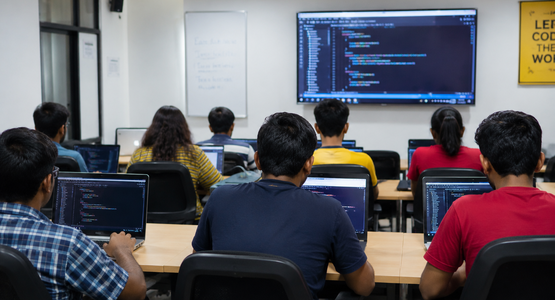
How Learning Python in Nahata Can Open Doors to Global Tech Opportunities

Why Students in Nahata Are Choosing Graphic Design as a Career in 2026
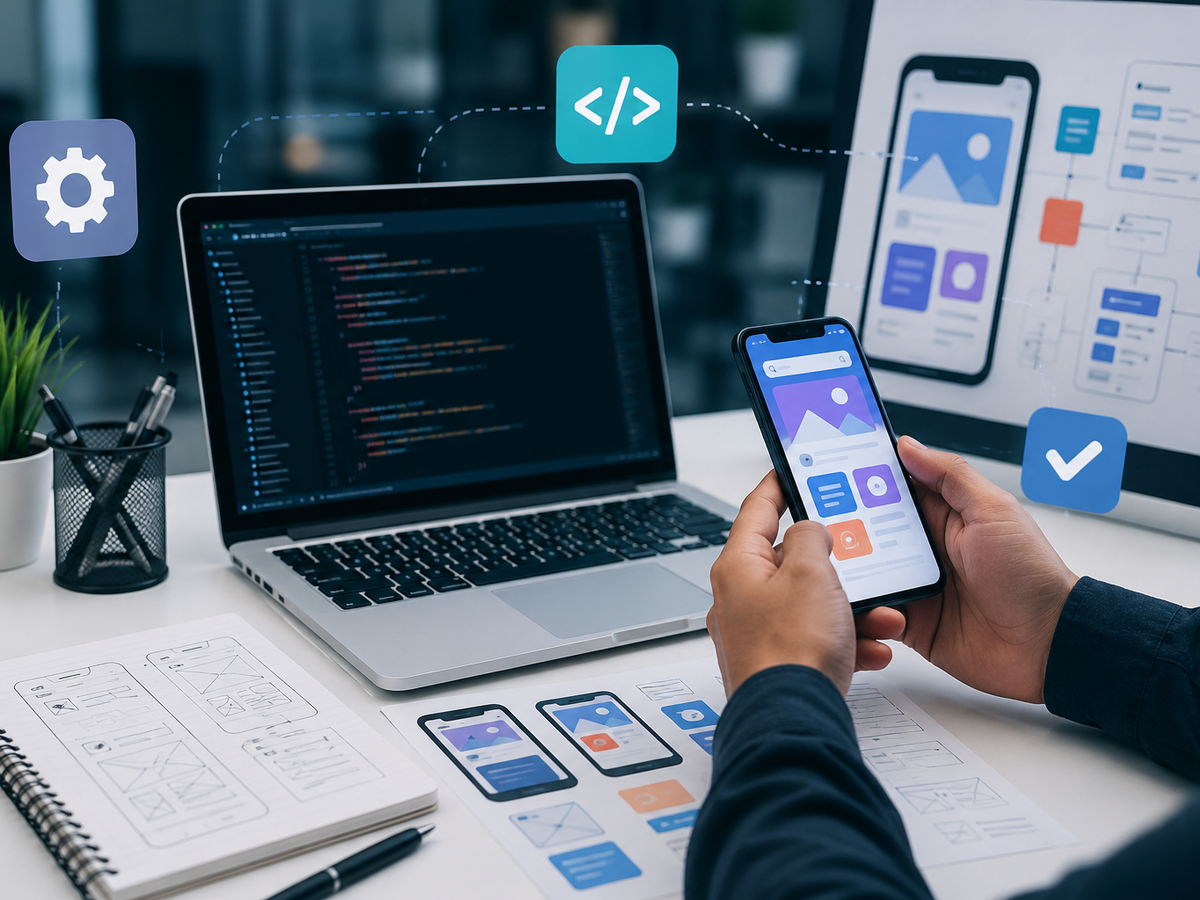
How a Mobile App Development Course in Kalasima Prepares You for the IT Industry
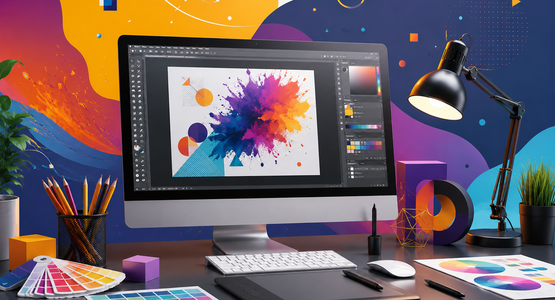
Graphic Designer Course in Helencha to Start a Successful Graphic Design Career

How Students Can Prepare for Job Opportunities for Graphic Designer in Kalupur

Programming Careers in Kolkata: What Happens After You Learn to Code?

Top Career Growth Opportunities for Digital Marketing Professionals in Gaighata
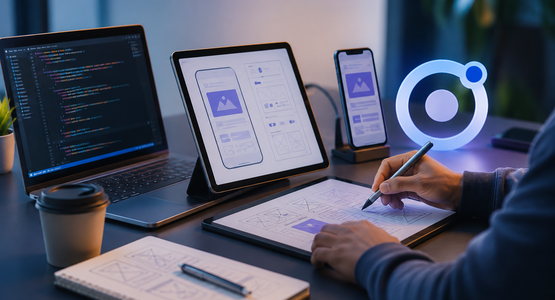
Career Opportunities After Learning Ionic App Design in Gopalnagar

Career Growth Potential Through IT Job Opportunities in Thakurnagar

Faculties from Mobile App Development Institute and Web Designing Institute work hand in hand as these are some of the essential requisites that a digital marketer needs to understand.
Sources