
In today’s digital world, having a robust and well-designed website is crucial for every business. Whether you are a small startup, a growing enterprise, or a global brand, your website often forms the first point of contact between you and your audience. For many who wish to step into this dynamic field, a structured learning path that balances fundamentals, practical skills, and modern tools is essential. A Website Design and Development course offers this pathway to aspiring web professionals. Through this article, you will gain a comprehensive understanding of what such a course covers, why it matters, how you learn, and how this knowledge translates into real-world opportunities.
Building a website is more than just making something look attractive. A website must be functional, accessible, responsive across devices, optimised for performance, and aligned with user needs. A well-designed website begins with a clear understanding of design principles, user experience, and web standards. It blends creativity with technical skills such as coding, layout planning, interactivity, and optimisation.
When you enrol in a course that covers both design and development, you gain a strong foundation in the core technologies that power the web. Beginning with the basics such as HTML5 and CSS, you learn to structure content and style it for clarity and aesthetics. Adding skills in JavaScript and jQuery brings interactivity. Learning design tools and understanding UI (user interface) and UX (user experience) allows you to create visually appealing and user-friendly layouts. This dual knowledge empowers you to build websites that are not only beautiful but functional and accessible.
In addition, a comprehensive course introduces you to live project work, letting you experience actual workflow, deadlines, collaboration, testing, and launch procedures. Rather than just reading or watching tutorials, you practise by creating real websites. This hands-on experience builds confidence and deepens understanding in ways theory alone cannot.
Finally, the web industry is constantly evolving. New browsers, screen sizes, performance expectations, and user behaviour patterns emerge regularly. A course structured around current standards and tools ensures that you learn relevant, up-to-date skills. This helps you stay competitive and ready to adopt emerging best practices.
A well-rounded Website Design and Development course typically starts from the ground up. You begin by mastering HTML5, the foundation of modern web pages. HTML5 allows you to define the structure and semantic meaning of content in a way that is accessible and search-engine friendly. Learning HTML5 ensures that you can create web pages that are robust, standards-compliant, and easier to maintain.
On top of HTML, you learn CSS (Cascading Style Sheets) to style your web pages. Through CSS you control layout, colour schemes, fonts, spacing, and visual presentation. These design decisions directly impact readability, user experience, and the overall professional look of the website.
As you progress, you are introduced to scripting with JavaScript and jQuery. This brings interactivity — you learn to make navigation menus responsive, build interactive galleries or lightboxes, create contact forms and dynamically validate input, or build responsive banners. These interactive elements turn a static page into a dynamic, engaging experience for users.
You also learn design-related tools and principles. Understanding colour theory, layout composition, whitespace, typography, and responsive design are essential. Learning user interface (UI) and user experience (UX) basics helps you think like a designer and ensures that websites are easy to navigate, intuitive, and user-friendly across devices.
For those who move further, backend skills may also be introduced. This includes database management with tools like MySQL or phpMyAdmin, server-side scripting, and fundamentals of building dynamic, data-driven websites. This additional layer allows you to create more complex websites — for example, websites that store user data, run content management, or provide interactive services.
Moreover, working on live projects during the course helps you experience real-world challenges and workflows. You learn how to translate design mock-ups into working websites, how to test responsiveness, debug issues, manage file transfers and launching websites, and how to collaborate with others. This experience is highly valuable when you enter the job market or start freelance work.
Not all courses are equal. The best courses are designed by experts with real experience in web development, design, and digital marketing. They recognise that building a website is not just about coding or design; it is about balancing aesthetics, functionality, usability, and performance.
A great course begins with fundamentals and gradually builds up complexity. It covers both front end (HTML, CSS, JavaScript) and aspects of design (UI/UX, design tools, layout planning). It also integrates practical projects where students build complete websites — from static landing pages to dynamic, responsive websites. This helps in developing a strong portfolio.
Learning under instructors who are active in real-world web work offers an advantage. Their practical insights on design trade-offs, performance, client requirements, common pitfalls, and real industry expectations prepare students beyond theory. A course where instructors come from a working agency or firm enables learners to understand workflow, project management, and collaboration — skills rarely covered in isolated tutorials.
Another key aspect is certification and potential placement assistance. Completing a course that offers a globally recognised certification can help demonstrate competence to employers or clients. If the course offers job-guarantee or placement support, it gives extra confidence to learners as they transition from learning to professional work.
Finally, a strong course adapts to ongoing changes in technology. With web standards and tools constantly evolving, course content should be updated periodically. This ensures that students learn current best practices and stay ready for modern web challenges.
After successfully completing a comprehensive Web Design and Development course, you are equipped to take several career or freelance paths. You can work as a web designer, specialising in UI/UX and layout, turning your creative ideas into attractive site designs. You can also work as a front-end developer, building interactive, responsive websites using HTML, CSS, JavaScript and supporting libraries.
If you have learned backend basics and database management, you can venture into full-stack development — building dynamic websites or applications that handle data, user interactions, and complex logic. You may find opportunities as a layout planner, design tester, UI developer, or UI designer. You could also work on content-heavy websites, blogs, e-commerce sites, or corporate websites for clients.
For freelance professionals or those planning to start a small agency, this skill set enables you to offer end-to-end web services — from design to development to launch. A robust portfolio created during training helps you showcase your work to clients or employers.
Because of the global nature of web development, you often have the flexibility to work remotely for clients worldwide. This opens opportunities beyond local constraints. You may also collaborate with marketing teams, digital advertising firms, or content creators to deliver holistic digital services.
Some courses focus only on design or only on development. However, combining both design and development in a single course offers a unique advantage. It bridges the gap between creative design and technical implementation. Designers gain technical understanding of what is practically feasible, and developers gain an aesthetic sensibility.
This combination helps you create websites that are visually appealing, technically sound, and user-centric. When you know both aspects, you can foresee design constraints, avoid performance issues, optimise layouts, and ensure accessibility and responsiveness. This holistic approach helps deliver quality websites that work well, look professional, and meet modern standards.
Additionally, working on real projects during such a course teaches you collaboration. In most professional settings, design and development teams work together. Knowing both sides helps you communicate better, understand requirements from designers or clients, and deliver work that honours both design intent and technical feasibility.
If you are evaluating courses to enrol, here are key things you should check before deciding. First, ensure the course covers both front end and back end (or at least gives exposure to both design and coding). This dual focus ensures you get a full understanding of how websites are built and maintained.
Second, check the tools and technologies taught. The course should include HTML5, CSS3, JavaScript, possibly jQuery or other libraries or frameworks depending on your level, and design tools for UI/UX. It should teach the latest standards and encourage writing clean, organised code.
Third, ensure the course provides practical, hands-on project work or live project assignments, not just theory. Building real websites, working with real constraints, and getting feedback helps you learn much more effectively than theoretical lessons.
Fourth, good instructors matter. Prefer courses where teachers have real industry experience. Their guidance often makes the difference between academic knowledge and employable skills.
Fifth, a credible certification and possibly job-assistance or placement support add value. A certificate recognised globally or at least by local employers demonstrates seriousness. Placement help or job guarantee provides confidence when you are starting your career.
Sixth, consider a course that acknowledges complementary skills. A website rarely exists alone; being aware of design sensibility, graphic design, digital marketing, SEO, and user experience makes you a more valuable professional. A course integrating design, development, and insight into digital marketing or UX gives a broader perspective.
Learning web design and development in a course environment gives you the structured knowledge you need. But the real test comes when you build for actual clients or projects. Real clients bring real requirements: responsive design, speed optimisation, SEO friendliness, accessibility, forms, dynamic content, compatibility across browsers and devices, and sometimes backend functions.
A well-designed website must load quickly, display correctly on desktop and mobile, use clean semantic code for search engines to understand, and offer a pleasant user experience. Developing these skills in a course prepares you to handle these challenges in real projects.
Moreover, combining design and development ensures you can deliver from scratch — from initial concept and mock-ups to final launch. This full-cycle capability is appreciated by clients and employers alike. It shows that you are capable, versatile, and ready for modern web development demands.
For many businesses and clients, especially small-to-medium enterprises or startups, they look for professionals who can handle both design and development because that reduces overhead and ensures coherence across the site. As someone trained in both areas, you become a valuable asset.
The web is not going anywhere. As more businesses move online, as digital presence becomes standard, as devices diversify — mobiles, tablets, wearables — the demand for skilled web designers and developers will remain high. Websites evolve from static pages to dynamic apps, e-commerce platforms, progressive web apps, interactive interfaces, and more.
Building a strong foundation in web design and development means you are ready to adapt to future trends. As technologies evolve — new frameworks, new standards, new devices — the core skills of HTML, CSS, design sense, and an understanding of user experience remain valuable. Once you have a strong base, learning new frameworks or advanced technologies becomes easier.
In addition, the need for accessible, responsive, fast, and SEO-friendly websites will grow. As search engines and user expectations evolve, websites must meet high standards. Professionals who understand both design and development will be well placed to deliver and maintain such websites.
Finally, being able to work remotely, freelance, or for global clients gives flexibility and opportunity. The web does not care about geography. If you have strong skills and a good portfolio, you can find work from anywhere. This flexibility is a major advantage in the globalised digital economy.
A Website Design and Development course is not merely a training programme. It is a gateway to building real-world skills, launching a professional career, creating portfolios, and contributing to the digital presence of businesses. The blend of design, development, project work, and practical skill building makes such a course valuable for beginners and for those looking to upskill.
If you are passionate about building websites, solving problems, creating user-friendly digital experiences and ready to learn both creative and technical skills, such a course can set you on a rewarding journey. The skills you gain will help you build websites that are beautiful, functional, accessible, and optimised — giving you a strong foundation that will serve you well in a rapidly evolving digital landscape.

From Student to Developer: The Power of Programming Training in Gaighata

Career Opportunities After Completing a Graphic Design Course in Kalasima
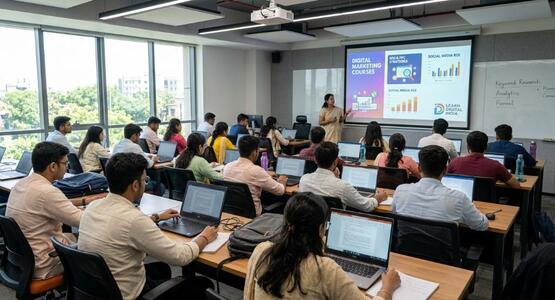
From Student to Digital Marketing Professional: How Digital Marketing Courses in Bongaon Can Transform Your Future
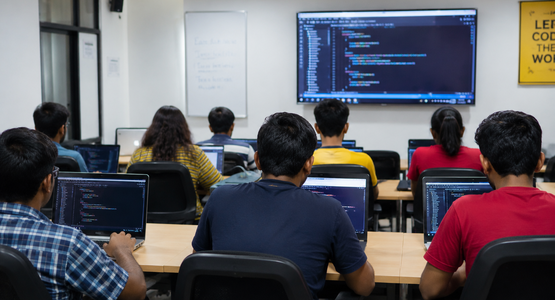
How Learning Python in Nahata Can Open Doors to Global Tech Opportunities

Why Students in Nahata Are Choosing Graphic Design as a Career in 2026
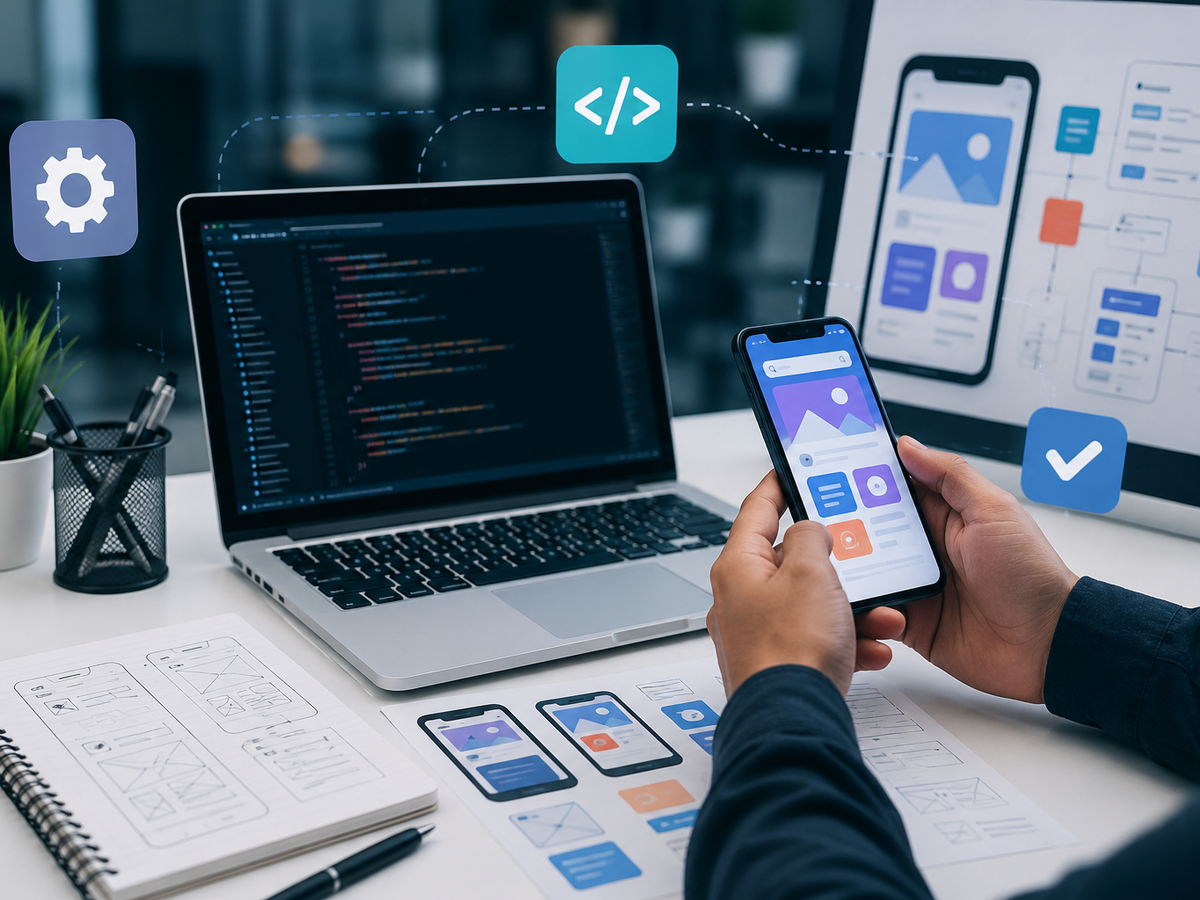
How a Mobile App Development Course in Kalasima Prepares You for the IT Industry
Graphic Designer Course in Helencha to Start a Successful Graphic Design Career

How Students Can Prepare for Job Opportunities for Graphic Designer in Kalupur

Programming Careers in Kolkata: What Happens After You Learn to Code?

Top Career Growth Opportunities for Digital Marketing Professionals in Gaighata
Career Opportunities After Learning Ionic App Design in Gopalnagar

Career Growth Potential Through IT Job Opportunities in Thakurnagar

Faculties from Mobile App Development Institute and Web Designing Institute work hand in hand as these are some of the essential requisites that a digital marketer needs to understand.
Sources