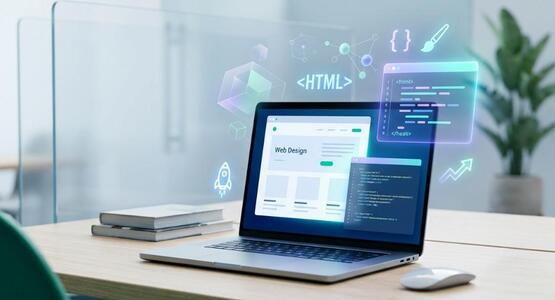
The digital world is no longer something we visit from time to time. It is where we work, learn, connect, and grow. Almost every brand, service, or idea now lives online, and behind every website is a set of skills that bring it to life. This is why interest in a web design and development course has grown so quickly. People are not just curious about how websites look. They want to understand how they function, how they engage users, and how they support real goals.
If you have ever wondered how a simple idea turns into a fully working website, you are not alone. Many learners today are looking for practical, clear ways to enter the tech space without feeling overwhelmed. A well structured learning path can make this journey feel steady and possible. It is not about becoming an expert overnight. It is about learning step by step, building confidence, and understanding how design and code come together.
A thoughtful web design and development course offers more than technical knowledge. It introduces you to the logic behind user experience, the structure of web pages, and the creative decisions that shape how people interact with digital spaces. For many, this becomes the first meaningful step into a career that is both creative and technical.
Understanding What a Web Design and Development Course Really Teaches
When people search for a web design course or a web development course, they often expect to learn coding or design tools alone. In reality, the learning experience is much broader. A complete course introduces both the visual and functional sides of building websites. It begins with the basics and slowly builds into more complex concepts so learners can follow at a natural pace.
At the foundation, learners are introduced to how the web works. This includes understanding how websites are structured using HTML, how they are styled using CSS, and how interactivity is added through JavaScript. These are not just technical topics. They are the building blocks of every website you see today. Learning them in a guided way helps remove confusion and builds clarity.
Alongside coding, design plays an equally important role. A website is not just about working correctly. It also needs to feel clear, inviting, and easy to use. This is where web design principles come in. Learners explore layout, colour, typography, spacing, and how users move through a page. These elements shape how someone feels when they visit a site, and that feeling often decides whether they stay or leave.
Modern courses also include responsive design, which ensures that websites work well on mobile phones, tablets, and desktops. Since a large number of users access websites through mobile devices, this skill has become essential. Understanding how to create flexible layouts that adjust across screens is now a core part of web development learning.
There is also a focus on real world tools and workflows. Learners often work with design software, code editors, and version control systems. These tools reflect how professionals actually build and manage websites. This practical exposure helps bridge the gap between learning and real work.
Beyond tools and code, a strong course often introduces basic concepts of user experience and digital thinking. This includes understanding user needs, planning site structure, and thinking about how content is presented. These ideas may seem simple at first, but they shape the success of any digital project.
Why Learning Web Design and Development Feels Relevant Today
The demand for digital skills continues to grow because the internet continues to expand. Businesses, small creators, and large organisations all need a presence online. This creates a steady need for people who understand how to design and build websites.
For learners, this opens up many possibilities. Some may choose to work as web designers, focusing on layout and visual experience. Others may move towards web development, working on functionality and performance. Many find a balance between both, becoming full stack developers who understand the complete process.
One of the reasons this field attracts so many people is its flexibility. Skills in web design and development can be used in full time roles, freelance projects, or even personal ventures. Someone might build websites for clients, create their own online platform, or contribute to digital products within a company.
There is also a sense of direct impact in this field. When you build a website, you can see your work come alive. You can interact with it, share it, and improve it. This immediate connection between effort and result often makes the learning process more engaging.
For beginners, the idea of entering tech can feel intimidating. However, web development is often seen as one of the more approachable entry points. The learning path is structured, the resources are widely available, and progress can be seen step by step. This helps learners stay motivated and continue building their skills over time.
What Learners Often Search Before Choosing a Course
When people look for the best web design and development course, their questions are often simple but important. They want to know what they will learn, how long it will take, and whether it will help them move forward in a meaningful way.
Many search for beginner friendly web development courses because they are starting from zero. They want clear explanations without complex language. They also look for courses that balance theory with practice. Watching lessons is helpful, but building real projects is what creates understanding.
Another common search is for job oriented web development courses. Learners want to know if the skills they gain will help them find work or build a career. This includes understanding how portfolios are created, how projects are presented, and how skills match industry expectations.
Some learners are also interested in flexible learning. They look for courses that allow them to learn at their own pace, especially if they are balancing studies, work, or other responsibilities. This flexibility makes it easier to stay consistent without feeling pressured.
There is also growing interest in courses that teach both design and development together. Instead of choosing one path early, learners prefer to understand both sides. This helps them discover what they enjoy more and builds a more complete skill set.
How Practical Learning Builds Confidence Over Time
One of the most important aspects of a web design and development course is practice. Reading or watching alone cannot create full understanding. It is through building projects that learners begin to connect ideas and see how everything fits together.
In the early stages, projects might be simple. A basic webpage, a small layout, or a simple interactive element. These small steps matter because they build confidence. As learners continue, projects become more detailed. They may include multiple pages, responsive layouts, and dynamic features.
Working on projects also helps learners understand problem solving. Not everything works perfectly the first time. There are moments of confusion, small errors, and unexpected results. These experiences are part of the learning process. They teach patience, attention to detail, and how to think through challenges.
Over time, these projects become part of a portfolio. A portfolio is more than a collection of work. It tells a story of learning and growth. It shows how a learner started, what they built, and how their skills developed. This becomes valuable when applying for roles or presenting work to others.
Guided courses often support this process by providing structured assignments and feedback. This guidance helps learners stay on track and improve steadily. It also creates a sense of direction, which is important when entering a new field.
The Balance Between Creativity and Logic in Web Development
Web design and development is unique because it brings together creativity and logic. On one side, there is design. This includes choosing colours, arranging elements, and creating a visual flow that feels natural. On the other side, there is coding. This involves writing structured instructions that tell the website how to behave.
For many learners, this combination makes the field interesting. It is not limited to one way of thinking. Someone who enjoys visual creativity can explore design deeply. Someone who enjoys structure and logic can focus on development. Over time, many discover how both sides connect and support each other.
Understanding this balance also helps learners approach projects more thoughtfully. A website that looks good but does not function well will not succeed. At the same time, a website that works perfectly but feels confusing will not engage users. The goal is to create something that feels clear, useful, and easy to interact with.
Courses that teach both perspectives help learners see this connection early. They begin to understand why certain design choices are made and how code supports those choices. This deeper understanding builds stronger skills and more confident decision making.
How Learning Web Skills Can Support Long Term Growth
The skills gained from a web design and development course extend beyond building websites. They encourage structured thinking, problem solving, and adaptability. These qualities are valuable in many areas of work and life.
As technology continues to change, new tools and frameworks will appear. However, the core concepts of web development remain steady. Understanding how the web works, how users interact with it, and how to build clear digital experiences provides a strong foundation. This foundation makes it easier to learn new tools in the future.
There is also a growing connection between web development and other fields such as digital marketing, content creation, and user experience design. Having web skills allows individuals to collaborate more effectively across these areas. It creates opportunities to explore different paths and find what feels right.
For those who prefer independent work, web skills also support freelance opportunities. Many businesses look for individuals who can design and build websites. This creates space for flexible work and creative projects.
At the same time, structured roles within companies continue to grow. Organisations need people who understand how their digital presence works and how it can be improved. This creates steady demand for skilled individuals.
Choosing a Learning Path That Feels Clear and Supportive
Starting something new can feel uncertain. This is why the structure and approach of a course matter. A clear learning path helps reduce confusion and allows learners to focus on understanding rather than feeling lost.
A well designed course introduces topics gradually. It avoids overwhelming learners with too much information at once. It also revisits key ideas so they can settle over time. This repetition supports deeper understanding.
Support also plays an important role. Whether through guidance, feedback, or community, having a sense of connection makes learning feel less isolated. It reminds learners that they are not alone in their journey.
It is also helpful when courses include real examples and practical scenarios. Seeing how skills are used in real situations makes learning feel more relevant. It connects theory with actual application.
Exploring additional learning resources, such as articles on web trends or basic programming concepts, can also support growth. These resources add depth and help learners stay updated with changes in the field.
A Gentle Step Into the World of Technology
Entering the world of web design and development does not require perfection or prior experience. It begins with curiosity and a willingness to learn. Each small step adds to a larger understanding.
A course can act as a guide, offering structure and direction. It can help transform uncertainty into clarity and interest into skill. Over time, what once felt complex begins to feel familiar.
For many, this journey is not just about learning a new skill. It is about discovering a new way of thinking, creating, and engaging with the digital world. It opens doors to possibilities that continue to grow with time.
If you are considering stepping into tech, it may help to remember that learning does not need to feel rushed. It can be steady, thoughtful, and shaped around your pace. With the right approach, the process itself becomes meaningful, not just the outcome.