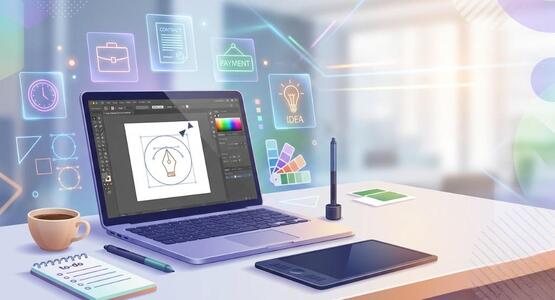
Freelancing as a graphic designer often begins with a quiet thought rather than a bold decision. You may find yourself drawn to colours, layouts, or the way a simple design can communicate meaning without words. Over time, this interest can grow into something more steady, something that feels worth exploring. Many people now search for how to start freelancing as a graphic designer, especially as remote work and digital platforms continue to grow. If you are at the beginning of this path, it is natural to feel both curious and uncertain.
This guide is written to help you understand freelancing in a clear and grounded way. It speaks to real questions people often ask, such as how to find clients, how to build a portfolio, and how to earn from graphic design without formal experience. Instead of rushing you forward, it offers a steady view of what this journey involves so you can move at your own pace.
A graphic designing course helps build a clear understanding of visual communication, combining creativity with practical skills that can be used in real projects. We learn how to work with colours, typography, and layout while gaining confidence in using design tools and thinking through ideas with clarity. This journey allows us to grow steadily, shaping our style and preparing to explore opportunities in freelance graphic design or related creative fields.
Understanding Freelance Graphic Design and How It Works
Freelance graphic design is simply the act of offering your design skills as an independent professional rather than working for a single employer. You take on projects from different clients, often working remotely, and manage your own time, pricing, and workload. This way of working appeals to many beginners because it offers flexibility, creative freedom, and the ability to build a career from anywhere.
When people search for what freelance graphic designers do, they are often surprised by how varied the work can be. One day you may design a logo for a small business, and the next you may create social media graphics, website layouts, or marketing materials. The role is not only about creativity. It also involves communication, planning, and understanding what the client truly needs. This balance between design and problem solving is what makes freelancing both rewarding and challenging.
As a beginner, it helps to understand that freelancing is not just about talent. It is also about consistency and learning how to present your work. Many successful freelancers did not begin with perfect skills. They improved gradually by taking small projects, learning from feedback, and refining their style over time. If you are wondering how to become a freelance graphic designer with no experience, the answer often lies in starting small and staying steady.
Building Skills and Finding Your Design Direction
Before you begin searching for freelance graphic design jobs, it is important to build a basic level of skill. This does not mean you need to be an expert in every tool or style. Instead, focus on understanding design principles such as colour, typography, spacing, and composition. These fundamentals shape the quality of your work more than any software.
Many beginners explore tools like Adobe Photoshop, Illustrator, or free platforms such as Canva. What matters most is not the tool itself but how you use it to express ideas clearly. If you are learning graphic design at home, try creating simple projects such as posters, social media posts, or mock logos. These small exercises help you build confidence and develop your own style.
Over time, you may notice that you are drawn to certain types of design more than others. Some people enjoy branding and logo creation, while others prefer digital content like Instagram posts or website visuals. Finding your direction can make your freelance journey more focused and less overwhelming. When you understand what you enjoy, it becomes easier to position yourself in the market and attract the right clients.
Creating a Portfolio That Reflects Real Value
One of the most common questions beginners ask is how to create a graphic design portfolio without clients. The truth is that you do not need paid work to start building a strong portfolio. You can create your own projects based on real world ideas. For example, you might design branding for a fictional company, redesign an existing product label, or create a series of social media posts for a cause you care about.
A good portfolio is not about quantity. It is about clarity and intention. Each project should show your thought process, your ability to solve a problem, and your attention to detail. When potential clients look at your work, they want to understand how you think, not just what you can make.
As you begin freelancing, your portfolio will naturally grow with real client work. Over time, you can refine it by removing older pieces and keeping only your best and most relevant designs. This ongoing process helps you present yourself as a thoughtful and evolving designer rather than someone who simply collects projects.
Finding Freelance Graphic Design Clients as a Beginner
Finding your first clients can feel like the most difficult step. Many beginners search for freelance graphic design jobs online and feel unsure where to begin. There are platforms such as Fiverr, Upwork, and Freelancer where you can create a profile and offer your services. These platforms can be helpful, but they are also competitive, so patience is important.
Another way to find clients is through personal connections. You may know someone who needs a logo, a poster, or social media graphics. Even small projects can help you gain experience and build trust. Word of mouth often plays a strong role in freelancing, especially in the early stages.
Social media can also be a powerful space to share your work. By posting your designs regularly and explaining your ideas in simple terms, you can slowly attract attention. People often search for graphic designers on platforms like Instagram or LinkedIn, so having a visible presence can make a difference.
When you approach clients, try to focus on understanding their needs rather than just offering your services. Ask questions, listen carefully, and suggest ideas that feel helpful. This approach builds trust and makes your work more meaningful.
Pricing Your Work and Managing Freelance Income
One of the most sensitive topics for beginners is how to price graphic design services. It can feel uncomfortable to decide what your work is worth, especially when you are just starting. Some designers begin with lower prices to gain experience, while others prefer to set clear rates from the beginning. There is no single correct approach, but it helps to stay consistent and avoid undervaluing your effort.
When setting your prices, consider the time, skill, and thought that go into each project. Graphic design is not only about the final image. It includes research, revisions, and communication. Clients are not just paying for a design but for the process behind it.
As you gain more experience, you can adjust your pricing gradually. Many freelancers move from hourly rates to project based pricing once they feel more confident. This shift allows you to focus on value rather than time alone.
Managing your income as a freelancer also requires planning. Work may not always be steady, so it helps to save during busy periods and prepare for quieter times. This financial awareness can reduce stress and help you maintain balance in your work.
Building Trust and Growing as a Freelance Designer
Trust is one of the most important parts of freelancing. Clients want to feel confident that you will understand their vision and deliver work on time. Clear communication plays a key role here. When you explain your process, set realistic timelines, and respond thoughtfully, you create a sense of reliability.
Feedback is another important part of growth. Not every project will go perfectly, and that is natural. Instead of seeing feedback as criticism, try to view it as guidance. Each revision and suggestion can help you improve your work and understand client expectations more clearly.
As you continue freelancing, you may begin to notice patterns in your work. You may develop a style, attract a certain type of client, or specialise in a particular area. This gradual clarity can help you shape your career in a way that feels more aligned and sustainable.
Learning does not stop once you start earning. Many designers continue to explore new tools, trends, and techniques. You might come across online courses, design communities, or creative platforms that inspire you to grow further. Engaging with these spaces can help you stay connected and motivated.
Challenges Beginners Often Face and How to Navigate Them
Freelancing can feel uncertain at times, especially in the beginning. You may experience periods where work is slow, or moments where you question your skills. These feelings are more common than they appear. Many designers go through similar phases as they build their careers.
Time management can also be a challenge. Without a fixed schedule, it can be easy to overwork or lose structure. Creating a simple routine can help you stay focused while still allowing flexibility.
Another common concern is dealing with difficult clients. Clear agreements at the start of a project can reduce misunderstandings later. When expectations are discussed openly, it becomes easier to manage revisions and maintain a positive working relationship.
If you ever feel overwhelmed, it can help to pause and return to small, manageable steps. Freelancing is not a race. It is a gradual process that unfolds over time.
Moving Forward with Confidence and Clarity
Freelancing as a graphic designer is not about reaching a fixed destination. It is about building something step by step, learning as you go, and allowing your skills to grow naturally. If you are searching for how to start a freelance graphic design career, the most helpful approach is often the simplest one. Begin with what you know, create consistently, and stay open to learning.
There may be moments when the path feels unclear, but clarity often comes through action rather than waiting. Each project, each conversation, and each small success adds to your experience. Over time, these pieces come together to form a career that reflects your effort and creativity.
If you continue to show up with patience and intention, freelancing can become more than just a way to earn. It can become a space where your ideas take shape, where your work connects with others, and where your growth feels steady and real.