In a world where almost every task connects in some way to technology, the ability to understand and use computers is no longer optional. It quietly shapes how people work, communicate, and grow in their careers. Many people feel stuck in roles that no longer inspire them, or they sense that opportunities are passing them by without fully understanding why. Often, the gap is not about talent or effort. It is about digital confidence.
Computer literacy does not mean becoming a programmer overnight or mastering complex systems. It begins with simple awareness. It grows through consistent exposure and practice. Over time, it opens doors that once seemed out of reach. When someone learns how to work with computers effectively, something shifts. Tasks become easier. Decisions become clearer. Opportunities start to feel more accessible.
Learning a computer course helps individuals understand how to work confidently in a world shaped by digital tools. It supports better communication, improves efficiency, and opens access to a wider range of career opportunities. Even basic computer knowledge can make everyday tasks easier and create a stronger sense of independence in both work and life.
For many individuals, this shift is not dramatic at first. It begins with small wins such as creating a document, managing data, or understanding how online tools work. These small steps gradually build a sense of control. That sense of control can influence career choices in ways that feel natural rather than forced. A person who once avoided technology may begin to explore new roles, industries, or even entirely different career paths.
The Growing Importance of Computer Literacy in Modern Careers
The modern workplace continues to evolve at a steady pace. Employers expect a basic level of digital understanding across almost every field. Whether someone works in administration, healthcare, finance, education, or creative industries, computer skills are now woven into daily tasks. From sending emails to analysing data, technology shapes how work gets done.
This shift has created a clear difference between those who are comfortable with digital tools and those who are not. Employers often look for candidates who can adapt quickly, learn new systems, and work efficiently using technology. This does not always require advanced knowledge. Even a strong foundation in basic computer skills can make a noticeable difference.
When people develop computer literacy, they begin to see how different roles connect. They understand how information flows within organisations. They become more confident in handling tasks that once felt complicated. This confidence often leads to greater responsibility and recognition at work.
There is also a growing demand for roles that require digital awareness. Jobs in data entry, digital marketing, customer support, accounting software management, and office administration all rely heavily on computer use. Even traditional roles are becoming more digital. This means that computer literacy is not just an added advantage. It is becoming a core requirement.
Many individuals who invest time in learning computer skills notice that their career options expand. They are no longer limited to a narrow set of roles. They can explore positions that offer better growth, stability, and flexibility. This expansion of choice can be deeply empowering, especially for those who have felt restricted in their career journey.
How Learning Computer Skills Builds Confidence and Career Direction
Confidence plays a quiet but powerful role in career development. When someone feels unsure about using technology, they may avoid tasks, hesitate to apply for jobs, or hold back during interviews. This hesitation is often misunderstood as a lack of ability, when in reality it is simply a lack of exposure.
Learning computer skills changes this experience. As people become familiar with tools such as word processing, spreadsheets, presentation software, and internet research, they begin to feel more capable. They start to trust their ability to learn and adapt. This trust can influence how they present themselves in professional settings.
A person who understands how to create structured documents can communicate ideas more clearly. Someone who knows how to organise data can contribute more effectively to team projects. These abilities may seem small, but they have a strong impact on how others perceive competence and readiness.
Over time, this growing confidence can lead individuals to reconsider their career path. They may begin to explore roles that once felt intimidating. They might apply for positions that require digital interaction. They may even consider further learning in areas such as graphic design, coding, or data analysis.
This process does not need to feel overwhelming. It often works best when approached gradually. Learning one skill at a time allows the mind to adjust without pressure. As each new skill becomes familiar, the next step feels more manageable. This steady progression supports both confidence and clarity.
The Link Between Computer Literacy and Career Opportunities
Career opportunities often depend on visibility and accessibility. Many job openings are now posted online. Applications are submitted through digital platforms. Interviews may take place over video calls. Without basic computer literacy, navigating these processes can feel challenging.
When individuals understand how to use computers, they gain access to a wider job market. They can search for roles more effectively, prepare professional documents, and communicate with employers with ease. This access alone can significantly influence career outcomes.
There is also a strong connection between computer literacy and earning potential. Roles that require digital skills often offer higher salaries compared to those that do not. Even within the same organisation, employees who can handle digital tasks may be considered for promotions or specialised roles.
In addition, many industries are introducing automation and digital systems to improve efficiency. Employees who can work alongside these systems are more likely to remain relevant in the workplace. Those who resist or avoid technology may find it harder to keep up with changing demands.
Learning computer skills does not guarantee instant success, but it creates a foundation for growth. It allows individuals to respond to changes rather than feel overwhelmed by them. This ability to adapt is one of the most valuable qualities in today’s job market.
For those who wish to explore structured learning, looking into recognised training platforms or structured learning environments can provide guidance and direction. Programmes that focus on practical application often help learners build real confidence rather than just theoretical knowledge.
Practical Ways Computer Literacy Shapes Career Growth
The impact of computer literacy can be seen in everyday work situations. It influences how tasks are completed, how problems are solved, and how teams collaborate. These everyday improvements gradually shape long term career growth.
For example, someone who understands spreadsheet software can analyse data more efficiently. This skill can be valuable in roles related to finance, operations, or project management. Similarly, knowledge of presentation tools can help individuals communicate ideas clearly during meetings or client interactions.
Digital communication is another important area. Emails, messaging platforms, and virtual meetings are now standard in many workplaces. Being able to communicate clearly and professionally through these channels is essential. Computer literacy supports this by helping individuals organise their thoughts and present information effectively.
There is also an increasing need for basic awareness of online safety and data handling. Understanding how to protect information, recognise secure platforms, and manage digital files responsibly is becoming part of everyday work expectations. These skills contribute to trust and professionalism.
In creative fields, computer literacy can open doors to design tools, content creation platforms, and multimedia editing. Even a basic understanding of these tools can help individuals explore new interests and career paths. It allows them to express ideas in different formats and reach wider audiences.
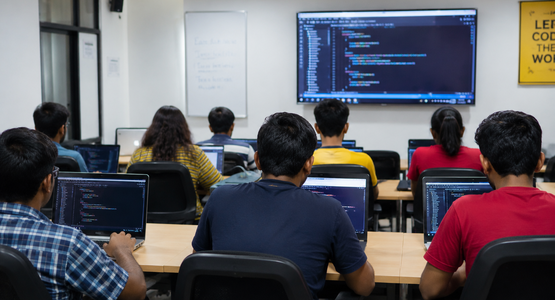
Learning environments that combine theory with hands on practice often make this process easier. When learners can apply what they study in real situations, the knowledge becomes more meaningful. It moves from being abstract to something that feels useful and relevant.
The Role of Continuous Learning in a Digital World
The digital world does not stand still. New tools, platforms, and systems continue to emerge. This means that computer literacy is not a one time achievement. It is an ongoing process of learning and adaptation.
For many people, the idea of continuous learning can feel overwhelming. It may bring a sense of pressure to keep up with constant change. However, it can also be approached in a gentle and manageable way. Learning does not need to be fast or intense. It can be steady and supportive.
When individuals allow themselves to learn at their own pace, they often retain knowledge more effectively. They build skills that feel natural rather than forced. This approach supports long term growth without creating unnecessary stress.
There are many ways to continue learning. Some people prefer structured courses, while others explore online tutorials, community discussions, or practical experimentation. The key is consistency rather than intensity.
As people continue to learn, they often discover new interests. These interests can lead to unexpected career directions. For example, someone who starts with basic computer skills may develop an interest in digital marketing, web design, or data management. These areas offer diverse career opportunities and room for creativity.
Continuous learning also supports resilience. When individuals are used to learning new tools, they are less likely to feel overwhelmed by change. They become more adaptable and open to new experiences. This mindset is valuable not only in careers but also in personal growth.
How Computer Literacy Supports Career Transitions
Changing careers can feel uncertain, especially when moving into a field that involves technology. However, computer literacy can make this transition smoother. It provides a foundation that can be applied across different industries.
Many skills learned through computer training are transferable. For example, understanding how to manage data, create reports, or communicate digitally can be useful in various roles. This means that individuals do not need to start from zero when exploring a new career path.
Computer literacy also helps individuals present their experience more effectively. They can create professional resumes, build online profiles, and showcase their work through digital platforms. This visibility can make a significant difference when applying for new roles.
In addition, many training programmes now focus on practical skills that align with industry needs. These programmes often include real world scenarios, which help learners understand how their skills apply in professional settings. This connection between learning and application can make career transitions feel more realistic and achievable.
For those who feel uncertain about where to begin, exploring structured learning paths in computer education can provide clarity. These paths often guide learners through different levels, allowing them to build confidence gradually.
Career transitions do not need to be rushed. They can unfold over time as skills develop and confidence grows. Computer literacy acts as a steady support throughout this process, helping individuals move forward with greater ease.
A Quiet Shift That Changes Everything
Sometimes, the most meaningful changes are not loud or dramatic. They happen quietly, through small steps and consistent effort. Computer literacy is one of those changes. It does not demand immediate transformation, but it gradually reshapes how individuals see themselves and their possibilities.
When people begin to feel comfortable with technology, they often notice a shift in how they approach challenges. They become more curious, more willing to explore, and more open to learning. This shift can influence not only their career path but also their overall sense of direction.
There is no single way to begin this journey. It can start with something as simple as learning how to organise files, create documents, or use online tools. Each step builds on the previous one, creating a foundation that supports growth.
Over time, this foundation can lead to new opportunities, greater confidence, and a clearer sense of purpose. It allows individuals to engage with the world in a more informed and connected way.
For anyone feeling uncertain about their career path, developing computer literacy can be a gentle and practical starting point. It does not require perfection or speed. It only asks for willingness and patience. And often, that is enough to begin a meaningful change.
At V1 Academy, we provide thoughtfully designed computer courses that build strong digital foundations and practical confidence for real world careers. We focus on clear, hands on learning so individuals can develop essential computer literacy skills and apply them with ease in everyday professional settings. Our approach supports steady growth, helping learners move forward with clarity, skill, and greater career direction.