

Graphic design often looks simple from the outside. You see polished logos, smooth layouts, and striking visuals, and it feels like a natural talent. But when you step closer, you begin to notice the depth behind every design choice. Colour, spacing, typography, hierarchy, and storytelling all come together with intention. This is why many learners begin searching for a graphic design course that does more than teach software. They want something that builds real understanding, confidence, and creative thinking over time.
A 12 month graphic design course stands out because it allows space for proper learning. It does not rush the process. It supports gradual growth, which is especially important in a field that combines technical skill with creative judgement. When people ask, “Is a one year graphic design course worth it?”, the answer often depends on how deeply the course engages with real world design practice, not just surface level tools.
This article explores what truly makes a long term design course valuable. It looks at how structure, experience, mentorship, and practical exposure shape a learner into a confident designer. It also reflects on what learners should look for when choosing a course that supports both skill and clarity.
One of the most important aspects of a 12 month graphic design course is the time it gives for foundations to settle. Many short courses introduce tools quickly, but they often move on before learners feel confident. Design is not just about knowing how to use software like Photoshop or Illustrator. It is about understanding why a design works and how to communicate ideas visually.
When learning is spread across a year, there is space to revisit concepts. A learner can explore colour theory, typography, layout design, and branding in a way that feels steady rather than rushed. This repetition helps ideas sink in naturally. Over time, what once felt confusing begins to feel familiar.
A longer course also allows learners to make mistakes without pressure. Early work may feel uncertain, and that is part of the process. With guidance and time, these early attempts become stepping stones. This is where real confidence begins to grow. It is not forced. It develops quietly as understanding deepens.
Many learners who choose a one year graphic design course often share that the extended duration helped them feel less overwhelmed. Instead of trying to absorb everything quickly, they could focus on one concept at a time. This slower pace supports not just learning, but also emotional ease, especially for those who may feel unsure about their creative abilities.
A strong graphic design course does not stop at teaching tools. It helps learners think like designers. This shift is subtle but important. Knowing how to use a tool is useful, but knowing how to solve a visual problem is what makes a designer stand out.
In a 12 month graphic design course, there is room to explore design thinking in depth. Learners begin to understand how to approach a brief, how to research an audience, and how to create visuals that communicate clearly. They learn to ask questions such as what message needs to be shared, who is the design for, and how can it be made meaningful.
This kind of thinking takes time to develop. It cannot be rushed through quick lessons. It grows through practice, reflection, and feedback. When learners are given projects that mirror real situations, they begin to see how design connects with everyday communication. Posters, social media graphics, branding elements, and layouts all become part of a wider story.
A course that includes this depth helps learners move beyond copying styles. Instead, they begin to create their own ideas with intention. This is often what learners are searching for when they look up terms like “best graphic design course” or “professional graphic design training”. They want more than tutorials. They want understanding.
Learning design alone can feel confusing at times. It is easy to question your work and wonder if it is good enough. This is where mentorship becomes an important part of a 12 month graphic design course. Regular feedback helps learners see their work from a new perspective.
When experienced mentors review projects, they do more than correct mistakes. They guide thinking. They help learners notice details they may have missed. They encourage improvements while also recognising effort. Over time, this builds trust in one’s own creative process.
A longer course allows relationships with mentors to grow naturally. This consistency creates a safe space where learners feel comfortable asking questions. It reduces the fear of judgement and supports honest learning. For many, this support becomes one of the most valuable parts of the course.
People often search for “graphic design course with mentorship” because they understand that learning is not just about content. It is about guidance. A mentor can help bridge the gap between confusion and clarity, especially during moments when progress feels slow.
Practice is essential in design learning. But not all practice feels the same. A 12 month graphic design course often includes projects that reflect real world scenarios. This helps learners understand how design works outside of theory.
When learners work on branding projects, marketing visuals, or digital layouts, they begin to see how design connects with business and communication. These projects often require research, planning, and presentation, which adds depth to the learning process.
Working on multiple projects across a year also helps build a strong portfolio. A portfolio is not just a collection of designs. It is a reflection of growth, thinking, and style. With enough time, learners can refine their work, revisit ideas, and improve earlier projects.
Many people searching for “graphic design portfolio course” or “job ready graphic design training” are looking for this kind of experience. They want to feel prepared for real opportunities. A longer course supports this by allowing learners to build work that feels complete and thoughtful.
Software is an important part of graphic design, but it should not feel intimidating. A 12 month graphic design course introduces tools gradually, allowing learners to become comfortable step by step.
Instead of rushing through features, learners are guided through practical use. They learn how to apply tools in real projects, which makes the learning more meaningful. Over time, using software becomes less about memorising steps and more about expressing ideas.
Courses that take this approach often help learners feel less anxious about technology. This is especially helpful for beginners who may feel unsure at the start. With enough time and practice, even complex tools begin to feel manageable.
Search terms like “learn graphic design from scratch” or “beginner graphic design course” often reflect this need for a gentle learning experience. A one year course supports this by giving learners the space to grow without pressure.
Graphic design is a wide field. It includes branding, advertising, digital media, print design, and more. A 12 month graphic design course often introduces learners to different areas, helping them explore what they enjoy most.
This exploration is important because it allows learners to find their direction. Some may feel drawn to branding, while others may prefer digital design or social media content. With enough exposure, learners can make informed choices about their future path.
A shorter course may not have the time to cover this range in depth. But a longer course can guide learners through different styles and applications. This not only builds skill but also helps develop personal interest and confidence.
Many learners searching for “graphic design career options” or “types of graphic design jobs” are looking for this clarity. A well structured course can provide it through thoughtful exposure and guided exploration.
One of the key reasons people choose a 12 month graphic design course is to feel prepared for work. This preparation goes beyond technical skills. It includes understanding how to handle projects, communicate with clients, and manage time.
Courses that focus on real work scenarios often include assignments that require planning, deadlines, and revisions. This helps learners understand how design projects unfold in real situations. It also builds discipline and responsibility.
Learning how to present work is another important part of preparation. Designers often need to explain their ideas clearly. A longer course provides time to practise this skill, which builds confidence over time.
People often search for “job ready graphic design course” or “graphic design training for career”. They are not just looking for knowledge. They are looking for readiness. A one year course supports this by offering both skill and experience.
Learning design is not just a technical process. It is also emotional. There can be moments of doubt, comparison, and uncertainty. A 12 month graphic design course allows space for these feelings to settle.
With time, learners begin to trust their process. They learn that growth is not always visible at first. Small improvements add up gradually. What once felt difficult begins to feel possible.
A supportive learning environment plays an important role here. When learners feel understood and encouraged, they are more likely to continue even when things feel challenging. This emotional safety supports deeper learning.
Many learners do not speak openly about this aspect, but it is often present. A course that recognises this journey can make a meaningful difference. It allows learners to grow not just as designers, but also as individuals.
While a 12 month graphic design course offers many benefits, duration alone does not guarantee value. What matters is how the time is used. A well structured course should balance theory, practice, feedback, and real world exposure.
Learners should look for courses that focus on understanding rather than speed. The presence of experienced mentors, meaningful projects, and consistent guidance can make a significant difference.
It is also helpful to explore course outlines and see how topics are covered over time. A thoughtful structure often reflects a deeper commitment to learning. This is something learners can notice when reviewing course details or speaking with educators.
When people search for “best graphic design institute” or “top graphic design course near me”, they are often trying to understand this difference. It is not just about the name of the course. It is about the experience it offers.
Choosing a 12 month graphic design course is often a thoughtful decision. It requires time, effort, and patience. But for many learners, it becomes a meaningful step towards creative confidence.
The value of such a course lies in its ability to support gradual learning. It allows ideas to settle, skills to grow, and confidence to build naturally. It also creates space for exploration, reflection, and real experience.
For those who feel drawn to design but unsure where to begin, a longer course can offer a gentle path. It does not rush the process. It respects the pace at which understanding develops.
In the end, what makes a 12 month graphic design course worth it is not just the content it covers. It is the experience it creates. It is the quiet shift from uncertainty to clarity, from hesitation to confidence, and from learning tools to understanding design itself.
At V1 Academy, we offer a comprehensive graphic design course that focuses on building strong creative foundations along with real world design skills. We guide learners through practical projects, thoughtful design thinking, and consistent mentorship so they grow with clarity and confidence. Our approach supports steady learning, helping each individual move from basic understanding to professional level design ability.

From Student to Developer: The Power of Programming Training in Gaighata

Career Opportunities After Completing a Graphic Design Course in Kalasima

From Student to Digital Marketing Professional: How Digital Marketing Courses in Bongaon Can Transform Your Future
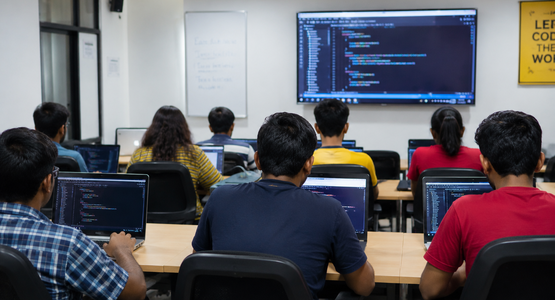
How Learning Python in Nahata Can Open Doors to Global Tech Opportunities

Why Students in Nahata Are Choosing Graphic Design as a Career in 2026

How a Mobile App Development Course in Kalasima Prepares You for the IT Industry
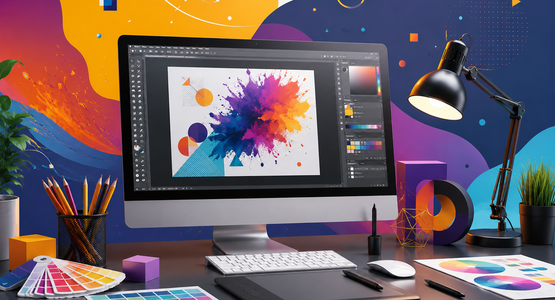
Graphic Designer Course in Helencha to Start a Successful Graphic Design Career

How Students Can Prepare for Job Opportunities for Graphic Designer in Kalupur

Programming Careers in Kolkata: What Happens After You Learn to Code?

Top Career Growth Opportunities for Digital Marketing Professionals in Gaighata

Career Opportunities After Learning Ionic App Design in Gopalnagar

Career Growth Potential Through IT Job Opportunities in Thakurnagar

Faculties from Mobile App Development Institute and Web Designing Institute work hand in hand as these are some of the essential requisites that a digital marketer needs to understand.
Sources