

The demand for programming and development skills has never been stronger. Every modern business relies on digital systems, software platforms and intelligent applications to operate efficiently and remain competitive. From small start ups to global enterprises, technology drives communication, operations, customer experience and innovation. For individuals who want to build a stable and future focused career, enrolling in a Programming and Development Course is one of the most strategic decisions they can make.
Learning programming is not only about writing lines of code. It is about understanding how technology works at a fundamental level and how digital solutions are built to solve real problems. Whether someone wants to become a software developer, web developer, mobile app developer or work in emerging fields such as artificial intelligence and cloud computing, strong programming foundations are essential. This guide explores what programming and development truly involve, why structured learning matters, how industry relevant skills are developed and what career opportunities exist for trained professionals.
Programming and development refer to the process of designing, building, testing and maintaining software systems. Every website, mobile application, payment gateway and digital tool is created through structured programming logic. At its core, programming involves writing instructions that computers can understand. Development extends beyond writing code to include system architecture, database integration, user experience design, security considerations and performance optimisation.
In today’s digital economy, businesses are investing heavily in digital transformation. Organisations across healthcare, finance, education, retail and logistics depend on skilled developers to create efficient systems that enhance productivity and customer engagement. This means that individuals who complete a comprehensive Programming and Development Course are entering a market where their skills are in consistent demand.
When learners search online for how to become a software developer or best programming course for beginners, they are often looking for clarity on where to start and what skills matter most. The answer lies in structured training that covers both foundational concepts and applied development practices. A professional approach ensures that students understand not just syntax but also logic, algorithms, data structures and real world problem solving.
Programming languages such as Python, Java, JavaScript and C sharp are widely used in the industry. However, the choice of language is only one part of the journey. What truly matters is developing computational thinking and the ability to break complex problems into manageable solutions. This skill remains relevant regardless of how technology evolves.
A well designed Programming and Development Course focuses on building layered knowledge. Students begin by learning fundamental programming principles such as variables, loops, conditionals and functions. These core elements form the backbone of every programming language. As learners grow in confidence, they progress to advanced topics including object oriented programming, database connectivity, application programming interfaces and version control systems.
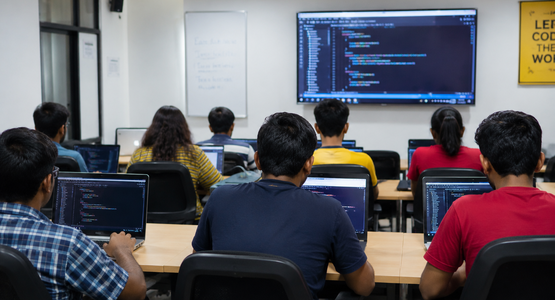
One of the most valuable aspects of structured learning is practical application. Writing code in isolation is not enough to prepare someone for industry roles. Real projects, collaborative tasks and simulated development environments help students experience how software is built in professional settings. Exposure to debugging techniques, testing frameworks and deployment processes ensures learners gain hands on expertise rather than theoretical knowledge alone.
Modern development also requires familiarity with web technologies. Front end development skills allow students to create responsive interfaces that users interact with daily. Backend development focuses on server side logic, database management and secure data handling. Full stack development combines both, making professionals highly versatile in the job market.
Beyond technical skills, students also develop soft skills that are essential for career success. Logical reasoning, analytical thinking, attention to detail and structured communication are strengthened through programming practice. These abilities enhance employability and enable graduates to contribute effectively within development teams.
Many aspiring programmers consider self learning through online tutorials. While independent learning can be helpful, it often lacks direction and accountability. A structured Programming and Development Course provides a clear roadmap, guiding learners from beginner to professional level without confusion.
Expert instruction ensures that students understand industry standards, coding best practices and scalable development approaches. This professional guidance reduces common mistakes and builds confidence. Learners benefit from mentorship, performance feedback and real time problem solving sessions that accelerate their growth.
Another advantage of structured training is alignment with industry expectations. Employers seek candidates who understand version control, collaborative coding environments and modern frameworks. A professionally delivered course bridges the gap between academic theory and workplace requirements. It prepares students to handle real client projects, technical interviews and practical coding assessments.
Trust and credibility also play an important role. Training delivered by experienced professionals with real industry exposure adds authenticity to the learning experience. When students are taught by instructors who have worked on live development projects, the knowledge shared reflects current market realities rather than outdated theory.
One of the most frequently asked questions is what jobs are available after completing a programming course. The answer is extensive. Software developer roles remain among the most sought after positions globally. Web developers are required by businesses of every size to build and maintain digital platforms. Mobile app developers are in high demand due to the rapid growth of smartphone usage.
There are also specialised career paths such as backend engineer, cloud developer, DevOps engineer and data analyst. Each of these roles relies on strong programming fundamentals combined with domain specific expertise. As organisations continue investing in automation and digital infrastructure, the need for skilled development professionals continues to rise.
Salary prospects are another major attraction. Entry level programming roles often offer competitive compensation compared to many traditional professions. As experience grows, earning potential increases significantly. Professionals who consistently update their skills and adapt to new technologies position themselves for leadership roles such as technical architect or engineering manager.
Remote work opportunities have further expanded the scope of programming careers. Developers can collaborate with international teams and contribute to global projects without geographical limitations. This flexibility enhances work life balance and broadens professional exposure.
The technology sector evolves rapidly. New frameworks, tools and methodologies emerge regularly. Long term success in programming requires a commitment to continuous learning. A strong foundation acquired through a comprehensive Programming and Development Course makes it easier to adapt to technological changes.
Developers who understand core concepts can quickly learn new languages or frameworks when required. This adaptability increases job security and professional relevance. Continuous practice through personal projects, open source contributions and industry certifications further strengthens expertise.
Professional growth also depends on staying informed about cybersecurity, ethical coding standards and data protection regulations. As digital systems handle increasing volumes of sensitive information, developers must prioritise secure and responsible practices.
Programming is not just a technical discipline but a mindset. It teaches persistence, structured thinking and problem solving. These qualities extend beyond coding and positively influence other areas of professional life. Individuals who embrace lifelong learning in technology often find themselves at the forefront of innovation.
In conclusion, choosing to pursue a Programming and Development Course is a forward thinking decision in today’s digital economy. It equips learners with essential technical knowledge, practical experience and professional confidence. As industries continue to evolve through technology, skilled programmers remain central to progress and innovation. For anyone considering a career in software, development or digital systems, structured training provides the clarity and direction needed to succeed.

From Student to Developer: The Power of Programming Training in Gaighata

Career Opportunities After Completing a Graphic Design Course in Kalasima

From Student to Digital Marketing Professional: How Digital Marketing Courses in Bongaon Can Transform Your Future
How Learning Python in Nahata Can Open Doors to Global Tech Opportunities

Why Students in Nahata Are Choosing Graphic Design as a Career in 2026

How a Mobile App Development Course in Kalasima Prepares You for the IT Industry

Graphic Designer Course in Helencha to Start a Successful Graphic Design Career

How Students Can Prepare for Job Opportunities for Graphic Designer in Kalupur

Programming Careers in Kolkata: What Happens After You Learn to Code?

Top Career Growth Opportunities for Digital Marketing Professionals in Gaighata

Career Opportunities After Learning Ionic App Design in Gopalnagar

Career Growth Potential Through IT Job Opportunities in Thakurnagar

Faculties from Mobile App Development Institute and Web Designing Institute work hand in hand as these are some of the essential requisites that a digital marketer needs to understand.
Sources