

The demand for programming skills has grown at a pace that few industries can match. From small startups to global enterprises, the ability to write code, understand systems, and build digital solutions has become one of the most valuable capabilities in the modern world. For many people, the question is no longer whether programming is worth learning, but how to begin, what to learn, and how to stay consistent through the process. This guide explores programming education in depth, offering clear and practical insights for beginners, intermediate learners, and those aiming to move into advanced development roles. It reflects a real understanding of how people learn today, what employers expect, and how structured learning paths can shape long term success.
Programming is not just about writing lines of code. It is about solving problems, thinking logically, and creating systems that work efficiently in real life situations. When someone starts learning programming, they are entering a field that combines creativity with precision. The early stage often feels overwhelming, especially when faced with unfamiliar terms like variables, loops, frameworks, and algorithms. However, with the right guidance and a structured approach, these concepts become easier to understand and apply.
One of the most common searches today is for programming courses for beginners, and this reflects a wider shift in how people approach careers. Many learners come from non technical backgrounds and want to transition into software development, data science, or web development. Others are students who want to build strong technical foundations early. There are also professionals who want to upgrade their skills to stay competitive in a digital economy. Each of these groups has different goals, but they all share one need, which is clear, practical, and well structured learning.
Programming is often misunderstood as a skill that requires natural talent or a strong mathematical background. In reality, it is a skill that develops through consistent practice and guided learning. When someone begins with a programming course, the focus should be on understanding core concepts rather than memorising syntax. Concepts such as problem solving, logic building, and structured thinking form the foundation of all programming languages.
A beginner might start with languages like Python or JavaScript because they are easier to read and widely used across industries. Python is often recommended for its simplicity and its applications in data science, automation, and artificial intelligence. JavaScript is essential for web development and allows learners to create interactive websites. As learners progress, they begin to understand how different languages serve different purposes and how to choose the right tool for a specific task.
One of the key aspects of effective programming education is the balance between theory and practice. Reading about code is not enough. Writing code, testing it, and fixing errors is where real learning happens. This hands on approach helps learners build confidence and develop a deeper understanding of how systems work. It also prepares them for real world challenges where problems are not always clearly defined.
Another important factor is consistency. Learning programming requires regular practice. Short, focused sessions are often more effective than long, irregular ones. Over time, this builds familiarity with concepts and improves problem solving speed. Many learners find that working on small projects helps them stay motivated. These projects can be simple at first, such as building a basic calculator or a personal website, but they gradually become more complex as skills improve.
The journey from beginner to advanced programmer is not linear. There are moments of progress and moments of frustration. What matters is the ability to continue learning and adapting. This is where structured programming courses play a significant role. They provide a clear path, reduce confusion, and help learners focus on what truly matters.
Selecting the right programming course is one of the most important decisions a learner can make. With so many options available, it is easy to feel uncertain about which path to follow. The key is to align the course with personal goals and learning preferences. A person who wants to become a web developer will need a different learning path compared to someone interested in data science or mobile app development.
For beginners, the best programming courses are those that start with the basics and gradually introduce more complex topics. These courses should focus on building a strong foundation rather than rushing into advanced concepts. A well structured course will guide learners through core topics such as variables, data types, control structures, and functions before moving on to more advanced areas like object oriented programming and database integration.
Intermediate learners often look for courses that help them specialise. At this stage, the focus shifts from learning syntax to building real world applications. This might include creating full stack web applications, working with APIs, or developing software that solves specific problems. These courses should provide practical experience and encourage learners to work on projects that reflect industry standards.
Advanced learners, on the other hand, are usually interested in mastering specific technologies or exploring complex areas such as machine learning, cloud computing, or system design. At this level, the emphasis is on depth rather than breadth. Learners need access to challenging projects, expert guidance, and opportunities to apply their skills in real world scenarios.
Another factor to consider is the learning format. Some people prefer self paced learning, while others benefit from guided instruction with mentors and peer interaction. A good programming course should offer flexibility while maintaining a clear structure. It should also provide feedback and support, which are essential for overcoming challenges and improving performance.
The credibility of the course provider also matters. Learners should look for programmes that demonstrate expertise, industry knowledge, and a commitment to quality education. This includes experienced instructors, up to date content, and a focus on practical outcomes. When these elements come together, they create an environment where learners can grow with confidence.
One of the most effective ways to learn programming is through practical projects. These projects allow learners to apply what they have learned and see how different concepts work together. They also help in building a portfolio, which is essential for anyone looking to enter the tech industry.
A beginner might start with simple projects such as creating a basic website or writing a small script to automate a task. These projects introduce key concepts and provide immediate feedback. As learners progress, they can take on more complex challenges, such as building a full stack application or developing a mobile app. Each project adds to their understanding and prepares them for real world scenarios.
Projects also teach important skills that go beyond coding. These include planning, problem solving, debugging, and collaboration. In a real work environment, developers often work in teams and need to communicate effectively. By working on projects, learners gain experience in these areas and develop a more holistic understanding of software development.
Another benefit of project based learning is that it keeps learners engaged. Instead of passively consuming information, they actively create something meaningful. This sense of achievement can be highly motivating and encourages continued learning. It also helps learners identify their strengths and areas for improvement.
For those aiming to secure a job in the tech industry, a strong portfolio can make a significant difference. Employers often look for evidence of practical skills rather than just theoretical knowledge. A well documented project demonstrates the ability to solve problems, write clean code, and deliver results. It also shows initiative and a willingness to learn, which are highly valued qualities.
Programming skills are in demand across a wide range of industries. From finance and healthcare to education and entertainment, almost every sector relies on technology. This creates a wide range of career opportunities for those with the right skills.
One of the most common career paths is software development. This includes roles such as web developer, mobile app developer, and backend engineer. Each of these roles requires a different set of skills, but they all share a common foundation in programming. With experience, developers can move into more specialised roles or take on leadership positions.
Data science is another growing field that relies heavily on programming. Professionals in this area use programming languages to analyse data, build models, and generate insights. This requires a combination of technical skills and analytical thinking. For those interested in working with data, learning programming is an essential first step.
Cybersecurity is another area where programming skills are valuable. As digital systems become more complex, the need to protect them from threats increases. Professionals in this field use programming to identify vulnerabilities, develop security tools, and respond to incidents. This is a challenging but rewarding area for those who enjoy problem solving and critical thinking.
Freelancing is also a viable option for programmers. Many businesses look for developers to work on short term projects, which creates opportunities for independent professionals. This offers flexibility and the chance to work on a variety of projects. However, it also requires strong communication skills and the ability to manage time effectively.
The key to success in any of these career paths is continuous learning. Technology evolves rapidly, and programmers need to stay updated with new tools and trends. This makes learning an ongoing process rather than a one time effort. By building a strong foundation and staying curious, learners can adapt to changes and continue to grow.
Learning programming can be challenging, especially in the early stages. Many learners experience self doubt and feel overwhelmed by the amount of information available. Building confidence is an important part of the process, and it comes from practice, patience, and a supportive learning environment.
One of the most effective ways to build confidence is to start small and gradually increase the level of difficulty. Completing simple tasks and understanding basic concepts creates a sense of progress. Over time, this builds momentum and makes it easier to tackle more complex challenges.
Another important factor is mindset. Programming involves making mistakes and learning from them. Errors are a natural part of the process and should be seen as opportunities to improve. Instead of feeling discouraged, learners should focus on understanding why something went wrong and how to fix it. This approach leads to deeper learning and better problem solving skills.
Support also plays a crucial role. Whether it is through mentors, peers, or online communities, having access to guidance can make a significant difference. It allows learners to ask questions, share experiences, and learn from others. This sense of connection can be highly motivating and helps in overcoming challenges.
Time management is another key aspect. Setting realistic goals and creating a consistent study routine can improve learning outcomes. Even a small amount of daily practice can lead to significant progress over time. The important thing is to stay consistent and avoid long gaps in learning.
As learners progress, they begin to see the results of their efforts. They can build applications, solve problems, and understand complex systems. This not only improves their technical skills but also boosts their confidence. It shows them that they are capable of learning and growing, which is essential for long term success.
Programming education is evolving to meet the needs of a changing world. Traditional methods of learning are being replaced by more interactive and practical approaches. This includes project based learning, real world applications, and personalised learning paths. These changes make programming more accessible and relevant to a wider audience.
One of the key trends is the focus on real world skills. Employers are looking for candidates who can apply their knowledge in practical situations. This means that programming courses need to go beyond theory and provide hands on experience. Learners need to understand not just how to write code, but how to use it to solve real problems.
Another trend is the integration of programming with other fields. For example, programming is now used in areas such as marketing, design, and business analysis. This creates new opportunities for learners and highlights the importance of interdisciplinary skills. By combining programming with other areas of interest, learners can create unique career paths.
Accessibility is also improving. Online learning platforms and digital resources make it easier for people to learn programming from anywhere. This opens up opportunities for those who may not have access to traditional education. It also allows learners to progress at their own pace and focus on areas that interest them.
The importance of programming education will continue to grow as technology becomes more integrated into everyday life. From smart devices to advanced systems, programming plays a key role in shaping the future. By learning these skills, individuals can not only improve their career prospects but also contribute to innovation and progress.
In conclusion, programming is a powerful skill that offers a wide range of opportunities. Whether you are a beginner looking to start your journey or an experienced learner aiming to advance your skills, the key is to stay focused, practice regularly, and choose the right learning path. With the right approach, programming can open doors to a fulfilling and dynamic career.
At V1 Academy, we deliver structured programming education designed to help learners build strong coding foundations and progress with confidence into real world applications. We focus on practical learning, guiding you through essential programming concepts while developing problem solving skills that align with current industry needs. Through our approach, we support your journey from beginner to skilled developer with clarity and purpose.

From Student to Developer: The Power of Programming Training in Gaighata

Career Opportunities After Completing a Graphic Design Course in Kalasima

From Student to Digital Marketing Professional: How Digital Marketing Courses in Bongaon Can Transform Your Future

How Learning Python in Nahata Can Open Doors to Global Tech Opportunities

Why Students in Nahata Are Choosing Graphic Design as a Career in 2026
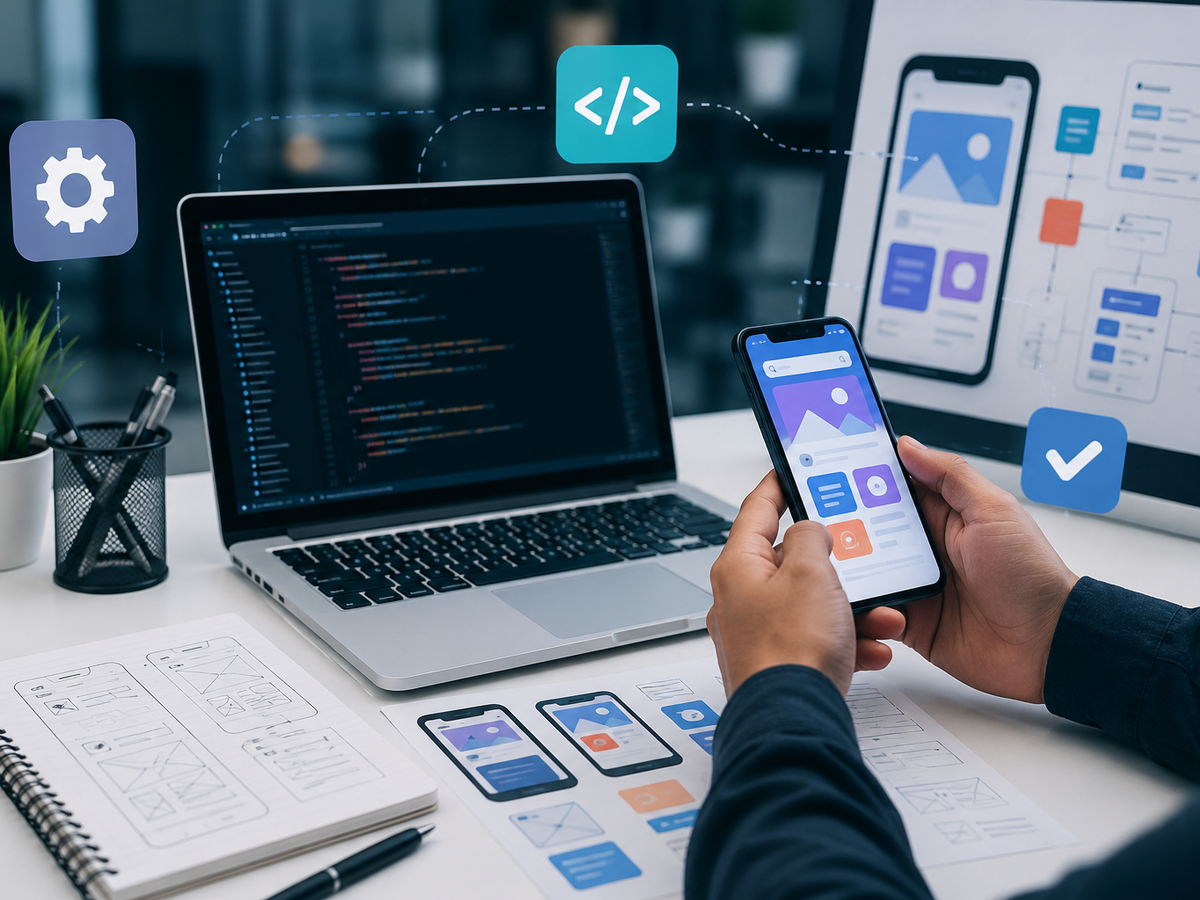
How a Mobile App Development Course in Kalasima Prepares You for the IT Industry

Graphic Designer Course in Helencha to Start a Successful Graphic Design Career

How Students Can Prepare for Job Opportunities for Graphic Designer in Kalupur

Programming Careers in Kolkata: What Happens After You Learn to Code?

Top Career Growth Opportunities for Digital Marketing Professionals in Gaighata

Career Opportunities After Learning Ionic App Design in Gopalnagar

Career Growth Potential Through IT Job Opportunities in Thakurnagar

Faculties from Mobile App Development Institute and Web Designing Institute work hand in hand as these are some of the essential requisites that a digital marketer needs to understand.
Sources