

In a world where most people spend hours every day on smartphones, mobile apps have become part of everyday life. From social connections to work, entertainment and shopping, mobile applications shape how people interact with the digital world. For someone curious about creating these powerful tools, understanding what mobile app development really means and how to learn it is an important step in building a meaningful tech career. Mobile app development involves writing code that runs on mobile devices such as phones and tablets. It is the process of turning ideas into apps that solve real problems and meet user needs. People who learn mobile app development gain skills in several programming languages and tools that are needed to build apps for different platforms. This includes Android and iOS which are the most widely used mobile operating systems today. Learning these skills with a structured course gives you both clarity and confidence. Aspiring developers often want to know how mobile app development works in practical terms and what pathways exist for learning it in an effective way.
Mobile app development is deeply connected with current trends in technology and employment. The demand for mobile applications continues to grow as businesses and individuals look to mobile solutions for convenience, engagement and productivity. Whether you want to build games, productivity tools or innovative utilities, mobile app development skills unlock opportunities that go beyond traditional computer programming roles. A structured learning journey not only helps you understand languages and frameworks but also builds your ability to think analytically and solve real world technical challenges in a professional environment.
Understanding how mobile operating systems differ is a key starting point and many learners ask questions like what language should I start with and how long does it take to become job ready. These are natural concerns because mobile app development can be a complex field. Android apps require knowledge of languages like Kotlin or Java while iOS apps are built using Swift or Objective C. Additionally, there are cross platform frameworks that allow developers to write once and deploy apps on both platforms. A comprehensive course supports learners at all levels from beginners to advanced developers by introducing them to these languages and helping them practice through real coding exercises that mirror professional industry expectations.
To gain a clear understanding of mobile app development it helps to think about the core technologies that make apps function. At its heart, mobile app development combines user interface design, logical programming and optimisation for performance on devices with varied screen sizes and hardware capabilities. A detailed learning journey begins with the basics of coding and gradually introduces learners to tools that are widely used in professional environments. It is important to develop a foundation in programming logic while also understanding how interfaces are designed so that end users find applications intuitive and easy to use.
A well structured training environment will offer practical sessions and hands on exercises, allowing learners to start writing functional code early in their development journey. Key tools like Android Studio provide an environment for building Android applications and testing them on both real devices and virtual simulators. Learning through practice is essential because it bridges the gap between theory and execution. In parallel, frameworks such as React Native and Flutter are introduced to help learners expand their skills into cross platform development. These modern frameworks teach how to optimise code for performance while reaching a wider audience of users across different devices.
As learners progress, they encounter additional components of mobile app development such as integration with web services, database management and deployment to app stores. Efficient use of version control systems, understanding of APIs and debugging techniques are necessary skills that improve the developer’s ability to maintain and evolve apps over time. Experts emphasise that building confidence in these skills comes from repetition and project based learning that closely simulates real world client requirements. Many instructors also encourage learners to view mobile app development as a continuous journey of growth where staying updated with changes in technology is part of long term success.
Beyond the language and frameworks, mobile app development training deepens understanding of how apps interact with user expectations. A developer must design not just functional but delightful experiences that operate intuitively. Skills in user interface and user experience design become essential and this is where thoughtful practice and constructive feedback play an important role. Real industry scenarios often require developers to collaborate with designers, testers and project managers, reinforcing the importance of communication and cooperative problem solving as part of the learning curve.
The training also emphasises testing and quality assurance practices. Testing ensures the mobile app delivers consistent performance regardless of device or operating system version. Learning how to debug complex issues and apply optimisation strategies forms part of professional development as a mobile app developer. By engaging with these advanced topics, learners prepare themselves for practical challenges they will face in the workplace or as self directed creators of digital products.
The course structure, when designed to meet industry needs, helps learners grasp a complete picture of the mobile app development lifecycle. Participants learn to think like developers who not only write code but also anticipate user needs, troubleshoot problems and adapt to technological changes that happen year after year. This broad perspective makes the learning experience relevant and valuable, especially when supported with real project work that simulates client expectations and deadlines.
Mobile app development training covers a range of skills that are essential for building secure and responsive applications. The first step is becoming comfortable with programming fundamentals. This means understanding logic that drives software behaviour and writing code that is clean, readable and maintainable. As part of this journey, modern tools are introduced that help developers build and test applications with confidence. For example, Android Studio is a key development environment for Android applications. It includes simulators and coding assistance features that help learners write code and quickly see the results of their work in practice.
Learning cross platform frameworks is increasingly valuable because they enable a single code base to serve multiple operating systems. Tools like Flutter and React Native are specifically designed to maximise developer productivity while ensuring smooth performance on both Android and iOS devices. These frameworks are widely adopted in the industry and giving learners exposure to them early improves their readiness for a variety of professional opportunities. Understanding how to install and configure these frameworks is part of building practical experience and deepens familiarity with the wider ecosystem of mobile app technologies.
Another important area is progressive web apps. These are web applications that behave like native mobile applications while being accessible through web browsers. Learning how to build progressive web apps empowers developers to explore innovative ways of reaching users without the traditional barriers of app store deployment. This adds versatility to the developer’s skill set and increases their ability to choose the right solution based on project needs.
In addition to coding and frameworks learners build skills in debugging and troubleshooting. These are essential because real world projects often bring unexpected problems that require logical problem solving and persistence to resolve. Being able to identify bugs, trace them to specific causes and fix them efficiently is a mark of confidence and professionalism. These skills are refined over time through iterative practice and guidance from experienced instructors.
Importantly, courses that include live project work enable learners to combine their technical skills with real use case scenarios. Working on live projects not only strengthens technical understanding but also gives learners the opportunity to create a portfolio of work they can show potential employers or clients. Building this portfolio is a key step in launching a career because it demonstrates ability to apply skills in real world situations. Additionally, learning how to communicate technical decisions and collaborate with others mirrors the teamwork experience that is common in professional software development.
As learners become more comfortable with the tools and concepts, they begin to shape their own workflows. They learn how to plan features, break down tasks into manageable pieces and prioritise quality code over quick solutions. This shift in mindset is a sign of growing maturity as a developer and prepares them for more complex assignments. Throughout this growth, learners are encouraged to cultivate curiosity and adaptability because the mobile app development field continues to evolve.
Understanding how mobile app development can influence career paths helps learners make informed decisions about their future. The skills you acquire extend beyond writing code to encompass logical problem solving, design thinking and technical communication. This opens doors to roles beyond just mobile app developer. You could work as a user interface designer focusing on how apps look and feel, or as an entrepreneur creating your own digital products. Many people also find opportunities as freelancers, helping small businesses develop their mobile presence through custom applications that meet specific needs.
Industries from healthcare to education and finance are adopting mobile solutions to improve user engagement. Mobile apps give businesses a direct communication channel with their customers and help increase brand loyalty. Developers who understand how to translate business needs into functional app features are in high demand. Learning through practical training and exposure to real projects builds confidence to move into these roles with a deeper understanding of customer needs and technology trends.
The ability to adapt and learn new tools is essential to long term success. Mobile app development is not static because new programming languages, frameworks and user experience expectations emerge regularly. Successful developers cultivate a mindset of continuous improvement and are curious about new technologies. Engaging with community forums, learning from peers and experimenting with new ideas helps you stay ahead of the curve. This mindset also positions you for leadership roles where you influence design decisions or mentor other developers.
Many learners aim to secure job roles after completing their training. A solid portfolio combined with hands on experience gives you an edge when applying for roles at tech companies, startups or design studios. Employers value practical experience because it shows you can contribute to project development immediately without needing extensive onboarding. This readiness comes from a training approach that emphasises real world scenarios and applied knowledge. The sense of accomplishment that comes from releasing your own application or contributing to a team project is powerful and continues to motivate developers as they grow.
In conclusion, mobile app development is more than just learning to write code. It is a path to solving user problems, building digital experiences and shaping careers that are future ready. By understanding the core concepts, practising with modern tools and engaging in real project work you gradually build a skill set that is relevant in today’s technology landscape. Whether your goal is to work for a company, start your own tech venture or create applications that help others, learning mobile app development opens exciting opportunities that grow with you over time.

From Student to Developer: The Power of Programming Training in Gaighata

Career Opportunities After Completing a Graphic Design Course in Kalasima

From Student to Digital Marketing Professional: How Digital Marketing Courses in Bongaon Can Transform Your Future

How Learning Python in Nahata Can Open Doors to Global Tech Opportunities

Why Students in Nahata Are Choosing Graphic Design as a Career in 2026
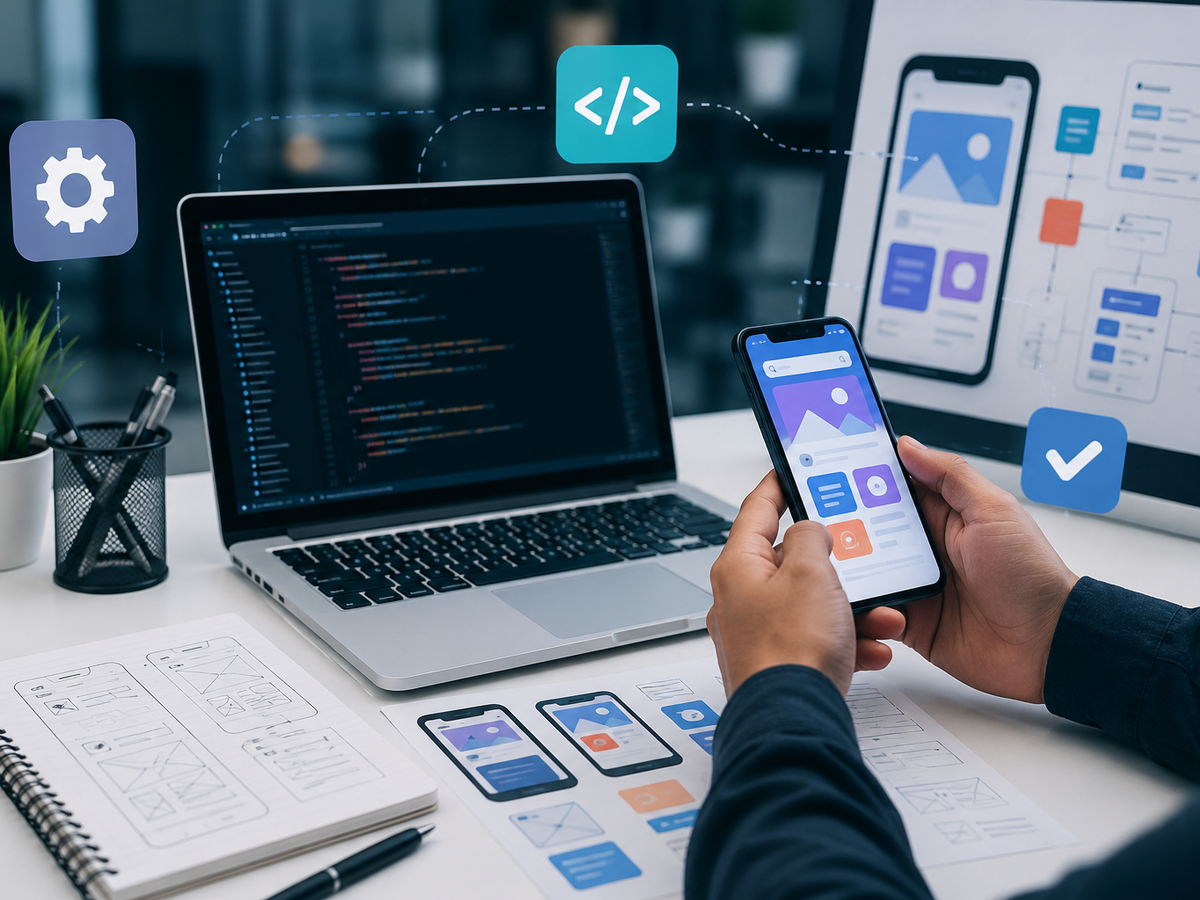
How a Mobile App Development Course in Kalasima Prepares You for the IT Industry

Graphic Designer Course in Helencha to Start a Successful Graphic Design Career

How Students Can Prepare for Job Opportunities for Graphic Designer in Kalupur

Programming Careers in Kolkata: What Happens After You Learn to Code?

Top Career Growth Opportunities for Digital Marketing Professionals in Gaighata

Career Opportunities After Learning Ionic App Design in Gopalnagar

Career Growth Potential Through IT Job Opportunities in Thakurnagar

Faculties from Mobile App Development Institute and Web Designing Institute work hand in hand as these are some of the essential requisites that a digital marketer needs to understand.
Sources