
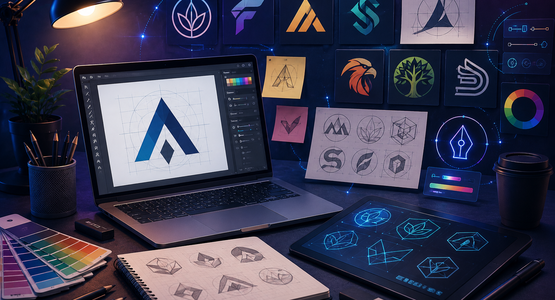
A strong logo can shape the way people see a business within seconds. It is often the first thing customers notice on a website, product, social media page or advertisement. Good logo design does much more than make a brand look attractive. It helps businesses build identity, trust and recognition in a crowded market. This is why logo design has become one of the most valuable skills in the graphic design industry today.
Many people think logo design is only about drawing symbols or choosing colours. In reality, professional logo design involves strategy, creativity, typography, psychology and branding knowledge. Every shape, font and colour choice has a purpose. A skilled logo designer understands how to create visual identities that stay memorable for years.
The demand for logo designers continues to rise because businesses of every size now need a strong digital presence. From local start-ups to global companies, brands are searching for designers who can create professional logos that work across websites, apps, packaging, social media and printed materials. This growing demand has encouraged many students and creative professionals to learn logo design through graphic design courses and practical training.
Learning logo design today also opens the door to freelance work, remote careers and creative business opportunities. Many designers start by creating logos for small companies and later move into branding, advertising and digital marketing projects. Some even build their own design agencies after gaining experience and developing a strong portfolio.
The best part about learning logo design is that anyone with creativity and patience can improve over time. You do not need to be born an artist to become a professional logo designer. What matters most is understanding design principles, practising consistently and learning how brands communicate visually. Modern graphic design courses now focus heavily on real projects, helping learners gain practical experience instead of only studying theory.
Businesses now compete across websites, mobile apps and social media platforms where attention spans are shorter than ever. A weak logo can make a company look unprofessional, while a strong logo creates a positive first impression almost instantly. This is one reason why logo design remains a major part of modern branding and digital marketing strategies.
Professional logo designers know how to create logos that connect emotionally with audiences. Colours often influence how people feel about a brand. Typography affects readability and personality. Shapes and layouts guide attention and improve memorability. A professional designer combines all these elements carefully to create logos that communicate the right message.
For example, a technology company may prefer clean and modern logo styles to show innovation and simplicity. A luxury fashion brand may choose elegant typography and minimal design to express sophistication. A children’s brand may use playful colours and softer shapes to create a friendly appearance. Professional logo design always depends on understanding the target audience and brand identity.
Many new designers make the mistake of following trends without understanding branding basics. Trendy logos may look attractive for a short time but quickly become outdated. Professional designers focus on timeless concepts that remain effective for years. This is why successful brands rarely change their logos completely. Instead, they make small improvements while maintaining brand recognition.
Another important factor in logo design is versatility. A professional logo must work across different platforms and sizes. It should look clear on a business card, website banner, mobile app icon and large outdoor sign. Designers must test logos in different formats to ensure consistency and readability. This practical thinking separates professional logo designers from beginners.
Modern businesses also expect logo designers to understand digital branding. Logos are no longer limited to print materials. They appear on websites, videos, social media profiles, online advertisements and mobile applications. This means designers need knowledge of digital design tools, responsive layouts and branding systems.
Graphic design courses that focus on practical branding projects help learners understand these industry expectations. Students learn how to build complete visual identities instead of designing random logos without strategy. This practical approach improves creative thinking and prepares learners for real client work.
Professional logo design combines artistic creativity with technical skills. Designers must understand how visuals influence human behaviour while also mastering digital design software and branding techniques. Building these skills takes time, but consistent practice can improve design quality significantly.
Typography is one of the most important skills in logo design. Fonts communicate personality, tone and style. Some brands use bold typography to appear strong and confident, while others use elegant lettering to look premium and sophisticated. Professional designers know how to choose fonts that match the identity of a business while maintaining readability across different devices and sizes.
Colour theory also plays a major role in branding and logo design. Colours can affect emotions, buying behaviour and customer perception. Blue often represents trust and professionalism, while red creates energy and urgency. Green is commonly linked with nature, health and sustainability. A good logo designer understands how colour combinations influence visual communication and brand recognition.
Creative thinking is another valuable skill for logo designers. Businesses want unique logos that stand out from competitors. This means designers must research industries, understand target audiences and explore different concepts before creating final designs. Professional logo designers rarely settle for the first idea. They experiment with layouts, symbols and typography until the design feels balanced and meaningful.
Sketching remains an important part of the creative process even in digital design. Many designers begin by drawing rough concepts on paper before using software tools. Sketching helps improve idea generation and allows designers to explore multiple concepts quickly. It also encourages original thinking instead of copying existing styles online.
Software knowledge is equally important in modern graphic design careers. Professional logo designers often use Adobe Illustrator because vector graphics maintain quality across all sizes. Designers may also use Photoshop for presentations and branding mock-ups. Understanding design software improves workflow and allows designers to produce polished results for clients.
Communication skills are often overlooked in creative industries, yet they matter greatly in logo design projects. Designers must explain concepts clearly, understand client feedback and discuss branding goals professionally. Strong communication helps avoid confusion and improves project outcomes. Many successful logo designers spend time learning how to present ideas confidently and professionally.
Building a strong portfolio is another major step towards becoming a professional designer. Clients and employers usually judge designers based on their work rather than qualifications alone. A portfolio should include branding projects, logo variations, typography work and practical applications such as packaging or social media branding. Quality matters more than quantity. A small portfolio with strong projects often performs better than a large collection of weak designs.
Learning logo design independently can help beginners explore creativity, but structured graphic design training often speeds up progress and improves understanding of professional standards. Many learners struggle because they only copy online tutorials without understanding the reasoning behind design decisions. Proper training helps students understand branding principles, design theory and practical workflows used in the industry.
A good graphic design course introduces students to the fundamentals of visual communication. Learners study composition, colour balance, typography, spacing and branding psychology. These topics may seem basic at first, but they form the foundation of every successful logo design project. Without these skills, logos often appear unbalanced or confusing.
Practical projects also play a major role in professional training. Students usually work on real world branding tasks where they create logos for fictional or actual businesses. This process teaches them how to research industries, analyse competitors and build design concepts based on brand goals rather than personal taste alone.
Feedback from experienced instructors can improve design quality significantly. Many beginners struggle to identify mistakes in their own work. Professional feedback helps learners understand what works well and what needs improvement. Over time, students develop stronger visual judgement and better problem solving skills.
Graphic design training also helps students become familiar with professional workflows. Designers learn how to create mood boards, sketch concepts, prepare vector files and present branding ideas professionally. These skills become valuable when working with clients or applying for creative jobs.
Another advantage of structured learning is exposure to different areas of graphic design. Logo design often connects with branding, packaging, advertising and digital content creation. Students who understand multiple design areas become more flexible and employable. They can work on larger branding projects instead of focusing only on single logo designs.
Modern design training also introduces students to current industry trends and digital branding strategies. Businesses now expect logos to work across websites, mobile apps and social media platforms. Designers need to understand responsive design, scalability and digital presentation methods. Courses that include practical digital branding projects prepare learners for these modern requirements.
Many learners also benefit from working alongside other creative students. Group discussions and project reviews encourage idea sharing and creative growth. Seeing different design styles helps students expand their thinking and improve their problem solving abilities.
Most beginner logo designers make similar mistakes during the learning process. Understanding these errors early can help learners improve faster and create more professional work.
One common mistake is adding too many elements into a logo. Beginners often try to include several colours, icons and font styles at once. This usually creates cluttered designs that are difficult to recognise or remember. Professional logos are often simple because simplicity improves clarity and versatility.
Copying trends without understanding branding strategy is another major issue. Many new designers recreate popular styles seen on social media without considering the needs of the business. A trendy logo may attract attention briefly but lose relevance quickly. Good logo design focuses on long term brand identity rather than temporary visual trends.
Poor typography choices also affect logo quality. Beginners sometimes use decorative fonts that look attractive but become unreadable at smaller sizes. Professional designers choose fonts carefully and adjust spacing, alignment and proportions to improve balance and readability.
Ignoring scalability can create problems as well. A logo may look good on a computer screen but become unclear when resized for mobile apps or printed materials. Professional designers test logos in different sizes and formats to ensure consistent quality across all platforms.
Another common mistake is depending too heavily on software effects such as shadows, gradients and filters. While effects can improve presentation in some cases, strong logos should work well even in simple black and white formats. A logo that only looks attractive because of special effects often lacks a strong core concept.
Many beginners also skip the research process. Professional logo design starts with understanding the business, target audience and industry competition. Designers who ignore research often create generic logos that fail to communicate brand identity effectively.
Patience is important in logo design. Rushing through projects usually leads to weak concepts and poor refinement. Professional designers spend time exploring different ideas, testing layouts and improving details before finalising a logo.
Logo design can become a rewarding career for people who enjoy creativity, branding and visual communication. Businesses across industries continue to invest in branding because competition in digital markets keeps growing. This creates ongoing opportunities for skilled graphic designers and branding professionals.
Freelancing has become especially popular among logo designers. Many businesses now hire freelance designers for branding projects instead of maintaining full time creative teams. Freelancers can work with clients from different countries and industries while building flexible careers. Strong communication skills, professional presentation and consistent quality often help freelancers succeed in competitive markets.
Some designers choose to work within creative agencies where they gain experience on larger branding projects. Agency environments expose designers to experienced professionals, client meetings and complex campaigns. This can help designers improve technical skills and industry knowledge more quickly.
Personal branding also matters greatly for logo designers. Designers who share their work on portfolio platforms and professional networks often attract more opportunities. Businesses want to see creativity, consistency and practical branding skills before hiring a designer.
Continuous learning remains important in the graphic design industry because trends, tools and digital platforms keep changing. Professional designers regularly improve their skills by studying branding trends, exploring new software updates and analysing successful logos from different industries.
Building experience takes time, but every project helps improve creative confidence. Many successful logo designers started with small projects before moving into larger branding campaigns. Practice, patience and curiosity often make the biggest difference in long term creative growth.
Logo design continues to evolve as businesses adapt to digital technology and changing customer behaviour. Modern logos now need to work across websites, mobile applications, social media videos and interactive digital experiences. This shift has increased the importance of flexible and adaptable branding systems.
Minimalist logo design remains popular because simple visuals often perform better on digital screens and mobile devices. Clean typography, balanced spacing and clear symbols improve readability and brand recognition. However, minimalism alone does not guarantee success. The strongest logos still focus on meaningful concepts and strong branding strategy.
Artificial intelligence and design automation tools are also influencing the graphic design industry. Some businesses now use automated logo generators for quick designs, but professional branding still depends heavily on human creativity and strategic thinking. Experienced designers understand storytelling, emotional connection and brand positioning in ways that automated tools cannot fully replace.
Motion branding is becoming more important as businesses use video marketing and digital advertising more frequently. Animated logos and dynamic brand elements help companies create stronger engagement across social media and digital platforms. Designers who understand motion graphics and digital branding may find additional career opportunities in the future.
The future of logo design will continue to reward designers who combine creativity with practical branding knowledge. Businesses will always need visual identities that connect with customers and communicate trust. Learning logo design today can open doors to creative careers across branding, advertising, digital marketing and content creation.
For anyone interested in graphic design, logo design offers an exciting balance between creativity and strategy. It allows designers to shape how brands communicate visually while solving real business challenges through design. With the right training, regular practice and strong understanding of branding principles, anyone can improve their skills and learn logo design like a professional designer.

From Student to Developer: The Power of Programming Training in Gaighata
Career Opportunities After Completing a Graphic Design Course in Kalasima

From Student to Digital Marketing Professional: How Digital Marketing Courses in Bongaon Can Transform Your Future

How Learning Python in Nahata Can Open Doors to Global Tech Opportunities

Why Students in Nahata Are Choosing Graphic Design as a Career in 2026

How a Mobile App Development Course in Kalasima Prepares You for the IT Industry
Graphic Designer Course in Helencha to Start a Successful Graphic Design Career

How Students Can Prepare for Job Opportunities for Graphic Designer in Kalupur

Programming Careers in Kolkata: What Happens After You Learn to Code?

Top Career Growth Opportunities for Digital Marketing Professionals in Gaighata

Career Opportunities After Learning Ionic App Design in Gopalnagar

Career Growth Potential Through IT Job Opportunities in Thakurnagar

Faculties from Mobile App Development Institute and Web Designing Institute work hand in hand as these are some of the essential requisites that a digital marketer needs to understand.
Sources