

Graphic design sits quietly behind every message we see. It gives shape to how people read, shop, and remember brands. Once limited to print posters or magazine layouts, design now stretches across every screen and device we touch. Businesses in retail, education, healthcare, entertainment, and technology all depend on thoughtful design to communicate with their audiences. A professional graphic design course opens the door to this universal language by teaching both artistic and strategic thinking.
At V1 Academy we see design as communication with purpose. The craft combines creativity and logic; colour and typography are not decoration but deliberate signals that guide understanding. Modern designers act as translators, turning information into experiences. From app icons to social campaigns, each element must convey clarity and emotional appeal. The industry continues to expand because every company needs better storytelling in visual form.
Studying design means learning how culture, technology, and user expectation interact. You explore how an advert attracts attention, how a package on a shelf convinces a buyer, and how a digital interface keeps someone engaged. Global connectivity has made design a key business asset, not just a creative skill. Brands compete visually; those who understand composition and usability gain an edge.
The profession’s diversity is its biggest strength. A single designer may work on branding one month, a motion graphic the next, and a website layout after that. That flexibility ensures long-term career security. Wherever communication exists, design follows.
Many people experiment with free tutorials, yet structured learning offers depth that scattered videos cannot provide. A professional graphic design course gives you a roadmap. It guides you from fundamentals through advanced techniques, ensuring no gaps in understanding. You learn why designs succeed or fail, not merely how to use tools.
Mentorship is the second advantage. Experienced tutors at V1 Academy share insight gained from industry practice. They review your work, highlight strengths, and push creative boundaries. Learning within a structured environment also builds discipline-meeting deadlines, presenting ideas, and accepting feedback-all critical to real-world work.
The curriculum balances theory and application. Students explore design principles before jumping into client projects. This method fosters confidence: by understanding concept development, you can tackle any brief regardless of style. You gain hands-on practice with branding, advertising, packaging, and digital media.
Another benefit is community. Studying alongside peers exposes you to varied thinking and cultural influences. Collaboration encourages growth and mirrors agency life. Graduates leave not only with technical skill but with professional habits-research, iteration, and presentation-that employers value most.
Finally, accredited courses often carry industry recognition. When a recruiter sees training from V1 Academy, they know the candidate has followed an updated, standards-driven syllabus. Structured study therefore becomes an investment in credibility as well as creativity.
Every masterpiece rests on fundamentals. A solid graphic design course begins with colour theory, typography, composition, and imagery. These principles govern how audiences perceive information.
Colour evokes emotion. Red energises, blue calms, green reassures. Learning how colours interact teaches designers to influence mood and hierarchy. Typography gives voice to the message: a serif font conveys tradition; a sans-serif suggests modernity. Understanding spacing, weight, and alignment allows text to breathe and speak clearly.
Composition brings order. Balance, contrast, and rhythm guide the eye through a layout. Designers learn to use grids, white space, and visual flow to maintain harmony. Imagery, whether illustration or photography, reinforces meaning when chosen carefully.
At V1 Academy, students practise these essentials through exercises that train the eye. They deconstruct famous campaigns to see why certain posters work and others fail. Through critique sessions, learners discover that simplicity often carries the strongest impact.
Mastering foundations also means learning to adapt them. Rules exist to serve purpose; knowing them lets you break them intelligently. Once students grasp basics, they move confidently into branding, interface, and motion design, applying the same principles in new contexts.
Technical fluency turns ideas into visible form. Modern design relies on a suite of tools-Adobe Photoshop, Illustrator, InDesign, and newer apps such as Figma and Canva. A comprehensive graphic design course ensures proficiency across platforms.
Photoshop handles raster images and photo manipulation. Illustrator focuses on vector artwork-logos, icons, and scalable graphics. InDesign excels at multi-page layouts for brochures or e-books. Students learn keyboard shortcuts, file formats, and best export settings, building efficiency for professional workflows.
Beyond Adobe, new software supports collaboration. Figma allows designers to co-create interfaces in real time. Affinity and Procreate bring affordable alternatives for independent creatives. Understanding when to choose each tool is part of the curriculum at V1 Academy.
Equally important is file management and version control. Organised layers, colour profiles, and naming conventions save hours of production time. Tutors stress non-destructive editing and the discipline of saving iterations-skills often overlooked by beginners but valued in studios.
Software mastery also includes staying adaptable. Updates appear constantly; designers who understand principles behind tools adjust easily. By graduation, students can transform sketches into professional deliverables ready for print or digital publication.
As screens multiply, design increasingly serves interactive purposes. UI (User Interface) focuses on visual arrangement; UX (User Experience) concerns how people feel using it. A strong graphic design course now integrates both.
UI designers craft buttons, icons, and layouts that look appealing. UX designers research user behaviour, testing how easily tasks can be completed. The two merge when aesthetics meet functionality. For instance, a mobile banking app must not only look trustworthy but guide users smoothly from login to payment.
At V1 Academy students simulate real projects-building prototypes, conducting user tests, and iterating designs based on feedback. They learn wire-framing, information architecture, and usability principles. Through this process, creativity gains purpose: every visual decision supports a practical outcome.
Understanding UI/UX expands career options dramatically. Digital agencies, start-ups, and software companies seek designers fluent in both artistry and empathy. By combining visual communication with human-centred thinking, graduates remain relevant in a world dominated by apps and interfaces.
A logo is only the beginning of a brand. Identity design involves tone, colour system, typography, imagery, and consistent storytelling. Through a graphic design course, students learn how these elements create recognition and trust.
V1 Academy teaches branding as psychology in visual form. You explore how shapes and symbols influence perception: circles imply unity, triangles suggest movement, squares convey stability. Students design complete identity packages-logos, business cards, social banners-maintaining cohesion across media.
Research sits at the heart of branding. Understanding a company’s mission, audience, and competitors informs design choices. By presenting mock client briefs, tutors show how strategic discovery leads to meaningful visuals.
Real projects reinforce responsibility: good branding must remain adaptable. A successful logo works on a billboard and an app icon alike. Learning to deliver brand guidelines ensures consistency when clients expand campaigns.
Ultimately, identity design transforms abstract values into visible promises. Designers become brand storytellers, shaping first impressions that last years.
Static images capture attention; motion keeps it. Motion graphics blend animation, sound, and design principles to create dynamic storytelling. A modern graphic design course introduces learners to After Effects, Premiere Pro, and other tools for kinetic design.
At V1 Academy, students experiment with title sequences, explainer videos, and animated logos. They learn timing, pacing, and transitions-how rhythm influences perception. Digital art modules expand expression through illustration, 3D modelling, and mixed media.
Motion skills enhance employability. Social media campaigns demand short, eye-catching videos; digital billboards rely on movement to stand out. Understanding how to animate typography or morph shapes opens fresh creative channels.
The discipline also teaches patience and planning. Storyboarding and key-framing require logical sequencing, not guesswork. Graduates who master both static and moving visuals position themselves as complete visual communicators.
A strong portfolio is your voice in the job market. It shows employers not only what you can design but how you think. V1 Academy dedicates a section of its graphic design course to portfolio creation.
Students curate diverse projects: branding, packaging, UI layouts, motion clips, and conceptual exercises. Tutors help refine storytelling within each piece-explaining the brief, process, and outcome. Recruiters value reasoning as much as result.
Digital portfolios on platforms such as Behance or personal websites become living records of growth. Learners are encouraged to keep them updated, replacing early works with mature designs. Presentation skills also receive focus: how to pitch ideas confidently, write project descriptions, and discuss design choices without jargon.
This preparation builds readiness for interviews and client meetings. By the end of training, each student owns a cohesive portfolio demonstrating capability across multiple design domains.
A graphic design course leads to countless paths. Graduates join advertising agencies, publishing houses, tech firms, or become freelancers. Some specialise-branding, UI/UX, illustration-while others explore multidisciplinary roles.
Within companies, designers collaborate with marketers, developers, and product managers. Their input shapes campaigns, interfaces, and packaging. Freelancers enjoy flexibility, working globally from laptops. Creative studios value designers who can manage projects end-to-end-from concept to production.
Teaching and content creation also present rewarding options. Many professionals later mentor newcomers, continuing the cycle of design education. Entrepreneurs use design skills to launch personal brands or creative businesses.
The global demand for visual communication ensures steady opportunity. Every sector requires clear messaging and engaging aesthetics. Those with training from V1 Academy stand out because their education blends creativity with professionalism, preparing them to adapt in any setting.
Design thinking transforms creativity into problem solving. It begins with empathy, defines challenges, explores ideas, prototypes, and tests. In our graphic design course, these stages are practised repeatedly.
Students learn to question assumptions and view problems through users’ eyes. This mindset nurtures innovation far beyond visuals-it applies to marketing strategies, social projects, and product development.
Workshops encourage brainstorming without fear of error. Early sketches are welcomed, not judged. Through reflection and iteration, stronger ideas emerge. Tutors show that design is less about inspiration and more about methodical exploration.
By mastering design thinking, graduates approach any brief strategically. They communicate rationale clearly to clients, gaining trust and authority. The skill becomes a lifelong asset, allowing designers to evolve with industries.
Professional design rarely happens alone. Collaboration turns concepts into deliverables. A complete graphic design course prepares students for teamwork, feedback, and negotiation.
In class projects, learners form mini-agencies: art directors, copywriters, and project leads. They experience realistic deadlines and revision cycles. This simulation teaches diplomacy and resilience.
Client communication receives special emphasis. Designers learn how to interpret vague requests, present drafts, and explain decisions politely. Handling criticism constructively distinguishes professionals from amateurs.
V1 Academy emphasises ethical collaboration too-respecting copyright, acknowledging contributions, and maintaining transparency. Through this training, graduates enter the workplace ready to thrive in creative teams or freelance networks.
The creative field can be demanding. Deadlines, subjective opinions, and ever-changing trends test patience. A graphic design course teaches strategies to stay motivated and adaptable.
Creative block is common. Students learn to overcome it through research, experimentation, and rest. Time management lessons show how to break large tasks into achievable steps. Constructive critique sessions build emotional maturity, turning feedback into improvement.
Another challenge lies in balancing originality with client demands. Tutors demonstrate negotiation techniques-how to defend ideas with evidence while staying flexible. Technical hurdles, such as software glitches or print errors, are addressed through troubleshooting exercises.
By simulating these realities during training, V1 Academy ensures graduates face industry life with confidence. They leave understanding that challenges are not obstacles but opportunities to refine craft and character.
Design evolves alongside technology. Artificial intelligence, augmented reality, and voice interfaces reshape how audiences interact with visuals. Instead of fearing change, V1 Academy encourages students to explore it.
Future designers will blend artistry with data insight. AI tools can generate layouts or suggest palettes, yet human intuition remains vital for emotion and storytelling. Sustainability also emerges as a defining theme-eco-friendly packaging and minimal digital waste influence aesthetic decisions.
Cross-disciplinary knowledge will matter more than ever. Designers who understand coding, marketing, or psychology will create richer experiences. The future rewards curiosity, not comfort.
A forward-looking graphic design course therefore nurtures adaptability. It teaches learners to question, learn, and reinvent themselves continually. With these habits, graduates stay valuable no matter how technology shifts.
V1 Academy stands as a bridge between creativity and career. Our graphic design course integrates mentorship, practical assignments, and real-world exposure. Students work on industry briefs, simulate agency workflows, and receive personalised guidance from practising designers.
Facilities include digital labs equipped with the latest software. Regular workshops introduce new trends-motion design, UX research, branding strategy-keeping learners ahead of the curve.
Beyond skills, the academy fosters mindset. We encourage critical thinking, collaboration, and ethical design. Graduates leave with confidence to present ideas and adapt to professional environments globally.
Partnerships with creative firms enable internship pathways. Many of our alumni now contribute to agencies and startups across various sectors. The academy’s reputation for quality ensures that completion of our course signals readiness for high-level design roles.
Your creative future begins with one decision-to learn properly, with guidance that matters. The graphic design course at V1 Academy offers that foundation. Whether you dream of building brands, designing apps, or crafting digital art, we provide the tools, feedback, and community to help you succeed.
Join a space where imagination meets professionalism. Discover how colours tell stories, how typography breathes character, and how design shapes experiences. Our mentors will walk beside you from first sketch to final portfolio.
Visit V1 Academy to explore course details, class schedules, and enrolment options. Let your creativity evolve into a career that inspires others. Start your journey with V1 Academy today-because design isn’t just a skill; it’s the language of the future.
In today’s competitive creative industry, being skilled is not enough. Designers must also learn to position themselves as brands. A personal design brand reflects your style, ethics, and professionalism. It tells clients who you are before they even meet you.
At V1 Academy, students learn the essentials of self-branding from the moment they begin the graphic design course. They develop a consistent visual identity across their portfolios, CVs, and online profiles. This includes logo design, colour schemes, and type choices that represent their creative personality.
Branding yourself also involves storytelling. It’s not only about how your designs look but why you create them. What motivates your choices? What values drive your work? A strong designer profile communicates these answers naturally through visuals, tone, and presentation.
Networking complements self-branding. Attending local design events, online communities, and exhibitions helps build relationships with industry professionals. Sharing insights and process notes on social media or design blogs also enhances credibility. Over time, your unique style becomes recognisable - your work speaks for you.
We often forget that visual design affects our daily decisions more than words do. Every sign we follow, app we open, or ad we notice relies on design choices. Understanding this connection gives designers purpose beyond aesthetics.
The graphic design course at V1 Academy introduces semiotics - the study of symbols and meaning. Students explore how shapes, colours, and imagery influence human perception subconsciously. For example, minimal design suggests elegance and professionalism, while bright, playful visuals appeal to youthful audiences.
Design also drives accessibility. Good visual communication ensures that information is readable by everyone, regardless of ability. Choosing legible fonts, high-contrast colour palettes, and intuitive layouts supports inclusivity. These values make design not just beautiful but humane.
As society grows more visually saturated, clarity becomes a skill in itself. Designers who can simplify complexity hold the key to effective communication. In this sense, every project - from posters to dashboards - becomes a public service, helping people navigate a world of information.
Good design feels right because it speaks to the brain’s natural responses. Understanding psychology helps designers predict how people will interpret visuals. Concepts like visual hierarchy, Gestalt principles, and emotional triggers form the backbone of persuasive design.
A professional graphic design course introduces these psychological foundations early on. Students learn why users prefer certain layouts, how contrast directs attention, and how emotion shapes memory. By studying cognitive patterns, designers craft experiences that feel effortless to use.
Colour psychology, for instance, guides branding decisions. Warm tones suggest energy, while cool shades evoke calmness. Fonts and spacing influence readability and mood. Even symmetry or asymmetry can change how a design feels - balanced layouts communicate order, while dynamic ones create excitement.
At V1 Academy, these insights are woven into practical assignments. Learners analyse real campaigns to decode the psychological choices behind them. The result is a deeper level of control - the power to design not just for the eyes, but for the mind.
Design shapes culture, so designers carry ethical responsibility. The images, messages, and symbols we create influence perception and behaviour. A graphic design course must therefore teach ethical awareness alongside technical skill.
V1 Academy trains students to consider the social impact of their work. This includes respecting intellectual property, representing diversity fairly, and avoiding manipulative visuals. Ethical design means creating truthfully - conveying messages that inform, not mislead.
Environmental consciousness also plays a role. Sustainable design practices, such as minimising print waste or optimising digital files to reduce data load, show respect for resources. Learners are encouraged to design with purpose - not just to sell, but to serve.
Integrity builds reputation. Clients and audiences trust designers who act responsibly. By fostering ethical awareness, V1 Academy helps graduates build careers grounded in authenticity and respect.
Creativity thrives on curiosity. A professional designer never stops learning, observing, and experimenting. Completing a graphic design course is just the beginning; staying relevant means embracing lifelong growth.
Inspiration often comes from unexpected places - architecture, music, nature, or cultural movements. V1 Academy encourages students to document ideas constantly, whether through sketchbooks or digital journals. Revisiting these sparks often leads to fresh concepts.
Experimentation fuels progress. Trying new tools, exploring different art forms, or collaborating with designers from other disciplines keeps creativity alive. Visiting exhibitions or analysing award-winning campaigns helps students see trends while developing their own voice.
The design world evolves fast. By remaining curious and adaptable, professionals turn change into opportunity. The goal is not to chase trends blindly but to understand their origin and reinterpret them authentically.
Freelancing offers independence but also demands discipline. A graphic design course prepares students not only to create but to manage themselves as businesses.
V1 Academy teaches practical skills like client communication, pricing structures, proposal writing, and time management. Freelancers must balance creativity with business sense - scheduling, contracts, and budgeting become part of daily routine.
Entrepreneurship extends this mindset further. Many designers launch studios or digital brands after gaining experience. Understanding market gaps, target audiences, and brand strategy transforms designers into creative entrepreneurs.
Freelancing also teaches resilience. Every project brings negotiation, revision, and learning. Graduates who approach freelance life with professionalism build reputations that attract steady work and referrals.
V1 Academy’s graphic design course blends creativity with real-world practice. Instead of only learning tools, students master design thinking, branding strategy, and UI/UX foundations. The academy focuses on mentorship, ensuring every learner receives personal guidance and feedback from experienced designers. It’s not just about software - it’s about shaping professional confidence and creative clarity.
Not at all. The course is structured for both beginners and intermediate learners. You’ll start with fundamentals like colour theory, typography, and layout, gradually progressing into advanced modules such as branding, motion graphics, and UI/UX design. The V1 Academy approach ensures that even those without artistic backgrounds develop solid design foundations.
Graduates from V1 Academy’s graphic design course often step into roles such as visual designer, brand identity specialist, UI/UX designer, art director, illustrator, and digital artist. Some move on to freelance work or launch their own creative studios. The academy’s training and portfolio development modules ensure students leave ready to approach clients or employers with professionalism and confidence.
Yes, absolutely. Students gain hands-on experience with industry-standard tools like Adobe Photoshop, Illustrator, InDesign, After Effects, and Figma. Each tool is taught not just technically, but strategically - focusing on when and why to use them. This ensures you graduate with the same digital fluency agencies expect from professionals.
V1 Academy offers flexible study options. You can choose full-time or part-time schedules depending on your availability. The course is designed to fit around personal and professional commitments, making it ideal for working professionals or students pursuing design as a career change.
Yes. Upon successful completion, students receive a professional certificate from V1 Academy. This credential highlights your skills and serves as an excellent addition to your CV and portfolio, demonstrating your readiness for design roles or freelance projects.
V1 Academy provides consistent support throughout your learning journey. Mentors guide you through assignments, portfolio reviews, and design critiques. After completing the course, you’ll receive career support through internship placement advice, networking opportunities, and tips for building your freelance presence or agency career.
Yes, V1 Academy offers both in-person and online learning modes. The online sessions are live and interactive, ensuring you receive the same quality experience as classroom learners. Recorded materials and instructor feedback make remote learning flexible yet engaging.
You’ll need a laptop or desktop computer capable of running standard design software. A basic understanding of using computers is helpful, but no previous design experience is required. Enthusiasm, curiosity, and commitment are the real prerequisites for success.
Simply visit V1 Academy and navigate to the “Courses” section. There you can find details about course duration, curriculum, fees, and enrolment forms. You may also contact the academy directly for personalised guidance on choosing the best learning plan for your goals.
Graphic design is no longer just about creating visuals - it’s about shaping how the world communicates. Every brand, website, and product we encounter depends on the clarity and emotion that design delivers. Taking a graphic design course is your first step into this world of creativity and communication.
At V1 Academy, we believe design education should empower, not intimidate. Our teaching philosophy combines technical skill with strategic thinking. Students learn to blend artistry with logic, gaining not only the ability to design but the confidence to solve real-world problems visually. Whether your ambition is to become a brand designer, digital artist, or UX specialist, the academy provides a clear pathway from learning to professional practice.
By joining V1 Academy, you’re not just learning software - you’re learning how to think like a designer. You’ll discover how to express ideas visually, communicate stories powerfully, and deliver designs that make an impact. Every assignment, critique, and project is built to prepare you for the professional creative industry.
Your creative journey begins today. Visit V1 Academy to explore our graphic design course and start building the skills that will define your future career. The world needs designers who can think, feel, and create with purpose - and your story could be the next to inspire others.

From Student to Developer: The Power of Programming Training in Gaighata

Career Opportunities After Completing a Graphic Design Course in Kalasima

From Student to Digital Marketing Professional: How Digital Marketing Courses in Bongaon Can Transform Your Future

How Learning Python in Nahata Can Open Doors to Global Tech Opportunities

Why Students in Nahata Are Choosing Graphic Design as a Career in 2026

How a Mobile App Development Course in Kalasima Prepares You for the IT Industry
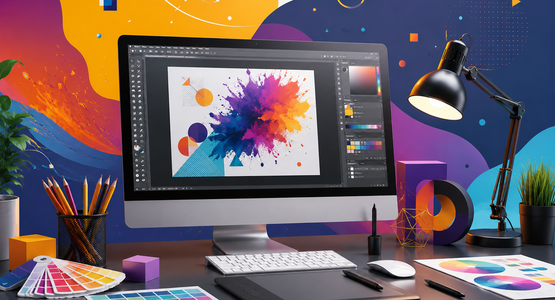
Graphic Designer Course in Helencha to Start a Successful Graphic Design Career

How Students Can Prepare for Job Opportunities for Graphic Designer in Kalupur

Programming Careers in Kolkata: What Happens After You Learn to Code?

Top Career Growth Opportunities for Digital Marketing Professionals in Gaighata

Career Opportunities After Learning Ionic App Design in Gopalnagar

Career Growth Potential Through IT Job Opportunities in Thakurnagar

Faculties from Mobile App Development Institute and Web Designing Institute work hand in hand as these are some of the essential requisites that a digital marketer needs to understand.
Sources