

In today’s fast moving digital and offline marketplace, the way a business looks often shapes how it is understood, remembered and trusted. Before a conversation begins, before a product is tested and even before a service is explored, people form opinions based on what they see. This is where graphic design becomes more than just decoration. It becomes a strategic tool that influences perception, communicates value and builds long term recognition. Many businesses still treat design as an afterthought, something to polish at the end. However, those that truly understand its role place it at the core of their identity and communication.
Graphic design is not limited to logos or social media posts. It is present in every visual touchpoint, from websites and packaging to advertisements, presentations and brand assets. When done correctly, it creates clarity, builds emotional connection and guides users towards action. When ignored, it can confuse audiences, weaken credibility and reduce engagement.
This blog explores why graphic design holds such importance in business, how it directly impacts growth and why investing time and effort into graphic design course can transform the way businesses operate and succeed.
Graphic design plays a direct role in forming first impressions by visually communicating quality, trust and professionalism within seconds.
Every interaction begins with what people see first. Whether someone visits a website or scrolls through a post, visual elements shape their immediate judgement. The human brain processes visuals faster than text, which means design becomes the first language a business speaks. Clean layouts, balanced colours and structured composition signal professionalism, while cluttered visuals can create doubt and confusion. This instant judgement often determines whether a user stays or leaves.
Graphic design allows businesses to communicate standards without lengthy explanations. A refined visual identity signals attention to detail and credibility. When typography, colour schemes and imagery are aligned, they create a sense of order and intention. This silent communication builds trust before any direct interaction occurs, making design a powerful non verbal tool.
In highly competitive markets, design becomes a key differentiator. Many businesses offer similar products or services, but visual presentation can influence choice. A distinctive and well crafted design captures attention and creates memorability. It helps a business rise above competitors and gives users a reason to explore further.
Graphic design transforms abstract brand values into consistent visual elements that people can recognise and remember.
A brand identity is built through consistent visual elements such as colours, fonts and design styles. Graphic design ensures that these elements work together across all platforms. Whether someone interacts with a website, advertisement or packaging, the experience feels unified. This cohesion strengthens the brand and reinforces its message.
Repetition is essential for recognition. When users repeatedly see the same visual patterns, they begin to associate them with a specific brand. Over time, this builds familiarity, making the brand easier to recall. Graphic design supports this process by maintaining consistency across all touchpoints, ensuring that every interaction contributes to recognition.
Consistency in design builds reliability. When a brand presents itself in the same way across different platforms, it creates a sense of stability. Customers are more likely to trust businesses that appear organised and consistent. Graphic design plays a central role in maintaining this uniformity and ensuring that every visual element aligns with the brand’s identity.
Graphic design enhances marketing efforts by making communication clearer, more engaging and easier to understand.
Marketing messages need to be understood quickly. Graphic design helps organise information in a way that is visually appealing and easy to follow. By using layout, hierarchy and spacing, designers guide the viewer’s attention and highlight key points. This improves engagement and ensures that messages are not lost in clutter.
Storytelling is a powerful marketing tool, and design brings stories to life. Visual elements such as illustrations, images and infographics make complex ideas more accessible. They allow businesses to present information in a way that is both engaging and memorable. This strengthens the overall impact of marketing campaigns.
Effective design guides users towards action. By placing important elements in strategic positions and using visual cues, businesses can influence behaviour. Whether it is clicking a button or making a purchase, design plays a role in directing user actions. This makes it an essential component of successful marketing strategies.
Graphic design improves customer experience by making interactions smooth, intuitive and emotionally engaging.
In digital platforms, design directly affects usability. Clear navigation, readable text and organised layouts help users find information quickly. When users can move through a website or app without confusion, their experience becomes more positive. This increases the likelihood of engagement and retention.
Design has the ability to evoke emotions. Colours, imagery and style influence how users feel about a brand. When design aligns with user expectations and values, it creates a sense of connection. This emotional bond encourages loyalty and repeat interactions.
Graphic design helps guide user behaviour by using visual signals. Elements such as buttons, icons and layout structure indicate what actions users should take. This reduces confusion and creates a smoother experience. A well designed interface makes it easier for users to interact with a business.
Learning graphic design provides businesses and individuals with the ability to communicate effectively and make informed visual decisions.
Design skills allow teams to express ideas visually and collaborate more effectively. Instead of relying solely on external resources, businesses can create and refine visuals internally. This encourages creativity and improves communication across departments.
While external designers can provide expertise, having internal knowledge reduces reliance on outside support. Businesses can make quick updates, experiment with ideas and maintain consistency without delays. This flexibility can be valuable in fast paced environments.
Graphic design skills open new opportunities for both individuals and organisations. Professionals can take on diverse roles, while businesses can explore new ways to communicate and market their offerings. This versatility makes design knowledge a valuable asset.
Graphic design strengthens digital presence by improving visibility, engagement and user experience across online platforms.
Well designed websites encourage users to stay longer and explore further. Clear layouts and engaging visuals improve navigation and readability. This not only enhances user experience but also supports better performance in search results by reducing bounce rates.
Social media platforms rely heavily on visual content. High quality design helps posts stand out and attract attention. Consistent visual identity across posts builds recognition and encourages users to engage with content regularly.
Digital platforms are constantly changing, and design must adapt accordingly. A strong design foundation allows businesses to adjust their visuals while maintaining consistency. This adaptability ensures that the brand remains relevant in a changing environment.
Graphic design influences decision making by shaping emotions, perceptions and attention.
Colours play a significant role in how people feel and respond. Different colours can evoke different emotions, such as trust, excitement or calmness. By choosing colours carefully, businesses can create the desired emotional response and strengthen their message.
Typography affects how information is perceived. Fonts can communicate tone, style and personality. A clean font may suggest professionalism, while a creative font may convey innovation. Choosing the right typography helps reinforce the brand’s identity.
Visual hierarchy determines how users process information. By arranging elements in a structured way, designers can highlight important content and guide attention. This makes it easier for users to understand messages and take action.
Graphic design supports long term success by building a strong foundation for recognition, communication and adaptability.
As businesses grow, maintaining a consistent identity becomes more challenging. Graphic design provides a framework that ensures all new materials align with the brand. This consistency helps preserve recognition and trust.
Growth often brings larger teams and more complex operations. Clear visual guidelines help ensure that everyone communicates the brand in the same way. This reduces confusion and maintains a unified message.
Design allows businesses to explore new ideas and stay relevant. By updating visuals and experimenting with new approaches, brands can adapt to changing trends. This ability to evolve is essential for long term success.
Learning graphic design equips individuals with the skills needed to communicate visually and contribute to modern business environments.
Graphic design education provides knowledge of tools, techniques and principles. It teaches how to combine creativity with structure to produce effective visuals. These skills are valuable in many professional contexts.
Design involves solving communication challenges. It requires analysing problems and finding visual solutions. This process improves critical thinking and encourages innovative approaches.
As visual communication becomes more important, the demand for design skills continues to grow. Learning graphic design prepares individuals for future opportunities and ensures they remain relevant in a changing job market.
Graphic design is no longer a supporting element in business. It is a core component that influences perception, communication and growth. From shaping first impressions to building brand identity and enhancing customer experience, design plays a vital role in every stage of a business journey.
Understanding the importance of graphic design allows businesses to make informed decisions and create meaningful connections with their audience. It highlights the value of investing in design skills and recognising their impact on long term success.
In a world where attention is limited and competition is high, the ability to communicate visually is a powerful advantage. Businesses that embrace graphic design as a strategic tool are better positioned to stand out, connect with their audience and achieve sustainable growth.

From Student to Developer: The Power of Programming Training in Gaighata
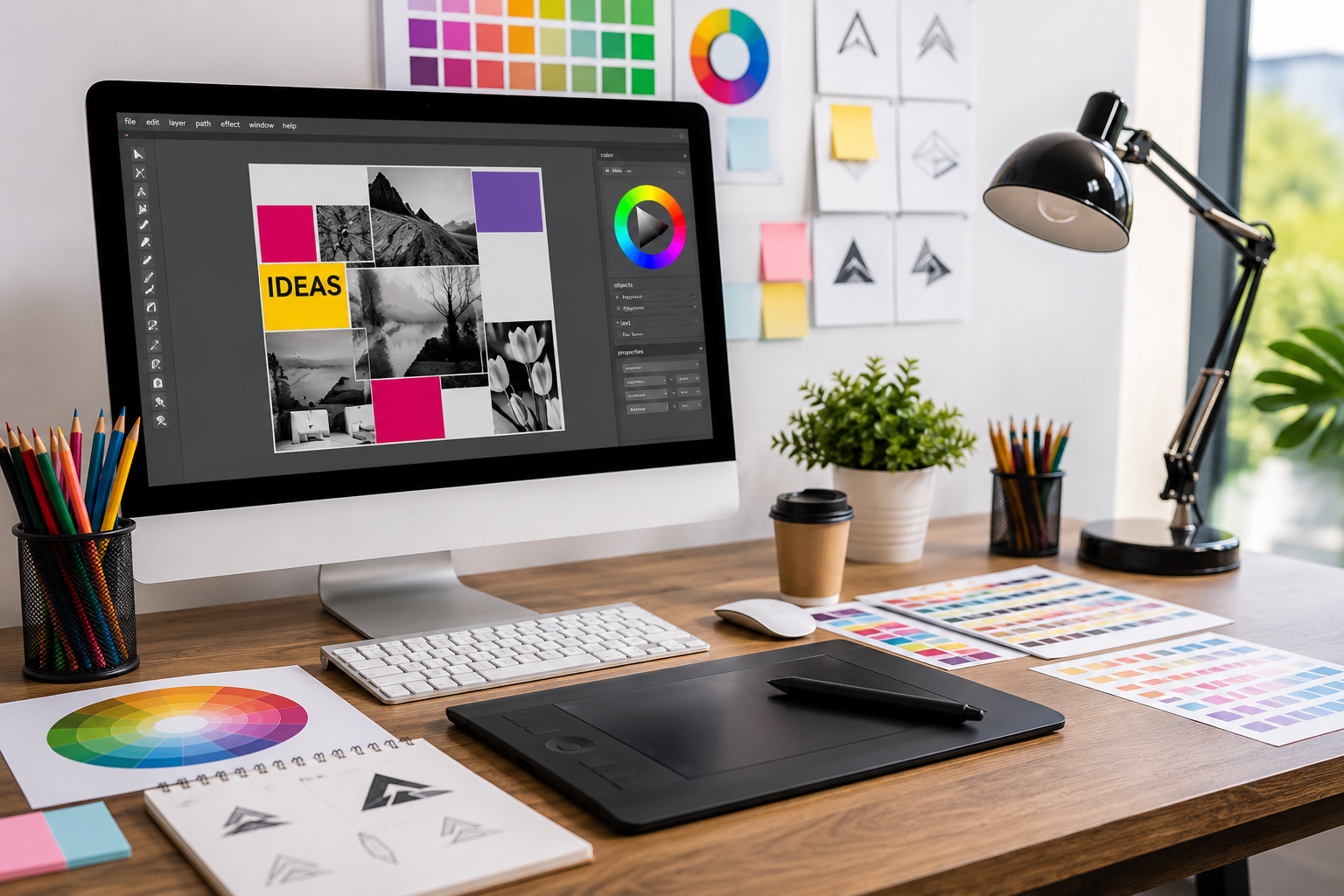
Career Opportunities After Completing a Graphic Design Course in Kalasima

From Student to Digital Marketing Professional: How Digital Marketing Courses in Bongaon Can Transform Your Future
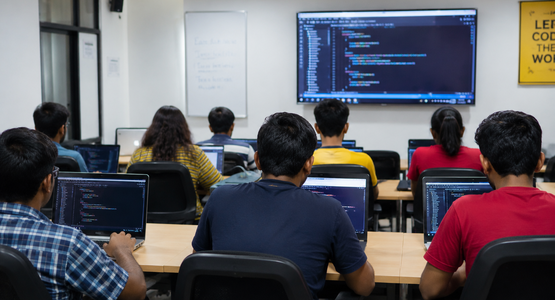
How Learning Python in Nahata Can Open Doors to Global Tech Opportunities

Why Students in Nahata Are Choosing Graphic Design as a Career in 2026

How a Mobile App Development Course in Kalasima Prepares You for the IT Industry
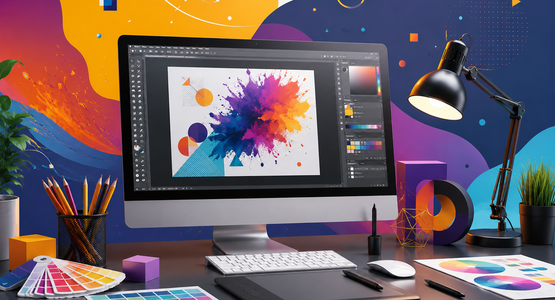
Graphic Designer Course in Helencha to Start a Successful Graphic Design Career
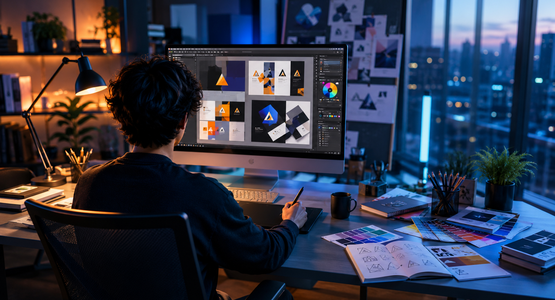
How Students Can Prepare for Job Opportunities for Graphic Designer in Kalupur

Programming Careers in Kolkata: What Happens After You Learn to Code?

Top Career Growth Opportunities for Digital Marketing Professionals in Gaighata

Career Opportunities After Learning Ionic App Design in Gopalnagar

Career Growth Potential Through IT Job Opportunities in Thakurnagar

Faculties from Mobile App Development Institute and Web Designing Institute work hand in hand as these are some of the essential requisites that a digital marketer needs to understand.
Sources