

Graphic design has become one of the most powerful communication tools in the modern digital world. Every brand, business, and organisation depends on visual communication to tell stories, present ideas, and attract audiences. From logos and social media graphics to websites and advertising campaigns, design influences how people perceive products and services. Because of this growing demand, many people are searching for the best graphic design course that can help them build real skills and a sustainable creative career.
A graphic design course is more than learning how to use software. It is a structured learning journey that helps individuals understand visual communication, creativity, technology, and practical application. When learners explore this field through structured training, they develop the ability to transform ideas into powerful visual content that communicates meaning clearly and effectively. Many modern training programmes focus not only on creative theory but also on hands on experience, industry relevant tools, and real world projects.
Institutes such as V1 Academy emphasise a practical learning approach that blends design fundamentals with modern tools and techniques. Their philosophy reflects a wider industry shift towards experiential learning where students develop both creative thinking and technical competence through real projects and practical exposure. This approach allows learners to understand how design works in professional environments while building confidence in their creative abilities.
Today, people across many backgrounds are exploring graphic design training. Students looking for creative careers, professionals wanting to switch industries, freelancers seeking new opportunities, and entrepreneurs who want to build their own brand identity are all interested in learning design. The accessibility of digital tools has also made the field more inclusive, meaning anyone with basic computer knowledge and creative curiosity can start learning.
At the same time, the design industry is evolving rapidly. New technologies, digital platforms, and communication channels constantly change how visual content is created and consumed. A well structured graphic design course helps learners stay relevant in this dynamic environment by providing foundational knowledge that can adapt to new tools and trends. It teaches the principles of colour, typography, composition, and visual storytelling while also introducing modern software used by professionals worldwide.
This article explores the real value of a graphic design course and how it helps individuals build creative confidence, technical expertise, and professional opportunities. By understanding the skills involved, the learning journey, and the career potential, aspiring designers can make informed decisions about entering this exciting and rapidly growing industry.
Graphic design is often misunderstood as simply making images look attractive. In reality, it is a powerful method of communication that blends creativity, psychology, technology, and business understanding. Designers translate complex ideas into visual formats that people can quickly understand. This is why design is essential in marketing, branding, publishing, digital media, and product development.
When learners begin a graphic design course, they usually start by exploring the principles that guide all visual communication. These include colour theory, typography, layout, balance, contrast, and hierarchy. These concepts help designers create visuals that are not only aesthetically pleasing but also functional and meaningful. Without understanding these foundations, even advanced software skills cannot produce effective design work.
A strong training programme introduces students to the logic behind visual decisions. For example, colour choices can influence emotion and perception. Typography can determine readability and brand personality. Layout can guide the viewer’s attention to important information. These elements work together to create designs that communicate messages clearly and effectively.
Modern graphic design also involves a combination of digital tools and creative thinking. Software such as Adobe Photoshop, Illustrator, and InDesign are widely used in the industry to create graphics, illustrations, and layouts. Learning these tools helps students convert their ideas into professional visual assets. However, software is only a tool. True design skill comes from understanding how to use these tools creatively and strategically.
Another important aspect of graphic design education is the exploration of different design disciplines. Graphic design covers a wide range of fields including branding, advertising design, editorial design, packaging design, web design, and multimedia graphics. Each of these areas requires slightly different techniques and creative approaches. Exposure to these disciplines helps learners discover their personal interests and career direction.
Training programmes that include practical exercises and live projects provide valuable experience. Working on real assignments allows students to understand how design principles apply to real business problems. They learn how to interpret client requirements, develop concepts, revise designs based on feedback, and deliver final outcomes that meet professional expectations.
Institutions that focus on practical learning environments often encourage collaboration and experimentation. Students are motivated to explore new ideas, test different visual approaches, and develop their own creative voice. Over time, this process helps them build a portfolio that demonstrates their abilities to potential employers or clients.
The rise of digital platforms has further expanded the importance of graphic design. Businesses now communicate with audiences through websites, social media, digital advertising, and mobile applications. Each of these platforms requires visual content that captures attention and communicates clearly. As a result, skilled graphic designers are in demand across many industries including technology, marketing, publishing, entertainment, and education.
By understanding graphic design as a strategic skill rather than just a creative hobby, learners can appreciate its real value in the professional world. A structured graphic design course helps bridge the gap between creativity and practical application, preparing individuals to contribute meaningfully to modern digital communication.
A comprehensive graphic design course is designed to guide learners from basic visual understanding to professional level design execution. The learning journey often begins with fundamental design concepts before gradually introducing advanced tools and practical applications. This progressive structure allows students to build confidence while developing their creative and technical abilities.
The early stages of learning focus heavily on design theory. Students explore how visual elements interact with each other to create harmony, emphasis, and clarity. Understanding composition helps designers organise elements within a layout so that information flows naturally. Colour theory explains how colours influence mood and perception. Typography introduces the art of arranging text so that it becomes both readable and visually appealing.
These foundational lessons form the backbone of all graphic design work. Without them, designers may struggle to create visuals that communicate effectively. A structured course ensures that learners practise these principles through exercises that encourage experimentation and observation.
As students progress, they begin learning the digital tools used by professionals in the industry. Graphic design software allows designers to manipulate images, create illustrations, design layouts, and produce visual content for both print and digital platforms. Through guided practice, learners become comfortable using these tools to bring their ideas to life.
Practical assignments often involve designing logos, posters, social media graphics, brochures, or website layouts. Each project introduces new techniques and challenges. Students learn how to research visual references, develop design concepts, and refine their work through revisions. This process closely mirrors real professional workflows.
Some courses also introduce animation or multimedia design elements. For example, learners may explore basic motion graphics or simple two dimensional animation techniques. These skills are useful for digital advertising, video content, and interactive media. Exposure to such skills helps students understand how graphic design interacts with other creative disciplines.
Another valuable component of a graphic design course is exposure to industry practices. Students learn how designers communicate with clients, understand project briefs, and present their creative ideas. Feedback sessions and project reviews help learners refine their work and develop confidence in explaining their design decisions.
Hands on learning plays a crucial role in building competence. When students work on live projects or simulated industry assignments, they gain a realistic understanding of professional expectations. They learn time management, teamwork, and problem solving while producing design outcomes that meet specific objectives.
Institutions that emphasise experiential learning often encourage students to build strong portfolios during their training. A portfolio is one of the most important tools for a designer’s career. It showcases the individual’s creativity, technical ability, and design thinking. Employers and clients rely on portfolios to evaluate whether a designer can deliver effective visual solutions.
A well designed graphic design course therefore does much more than teach software skills. It nurtures creative thinking, visual literacy, and professional discipline. By the end of the learning journey, students are able to approach design challenges with confidence, combining creativity and technical knowledge to create meaningful visual communication.
The demand for skilled graphic designers continues to grow because visual communication is now essential for almost every industry. Businesses compete for attention in crowded digital spaces where audiences quickly scroll through content. In such environments, compelling visuals often determine whether a message captures interest or gets ignored.
Graphic designers help organisations present information in a way that is both attractive and understandable. They design brand identities, marketing materials, social media graphics, packaging, websites, and digital advertisements. Each of these visual elements contributes to how a brand is perceived by its audience.
With the expansion of digital marketing and online business, the need for creative professionals has increased significantly. Companies rely on designers to produce consistent visual identities that strengthen brand recognition. A strong brand image helps businesses build trust and connect emotionally with customers.
Freelance opportunities have also expanded in recent years. Many designers choose to work independently, offering services to clients around the world. Digital platforms make it easier for creative professionals to collaborate remotely and manage projects online. As a result, graphic design has become an attractive career option for people who value creative freedom and flexible working environments.
Another factor driving the popularity of graphic design training is the ability to apply design skills in multiple career paths. Designers may work in advertising agencies, media companies, publishing houses, marketing departments, or technology firms. Some specialise in web design or user interface design, while others focus on branding or illustration.
The versatility of design skills also allows individuals to support entrepreneurial ambitions. Many business owners learn basic graphic design so they can create marketing materials, social media content, and brand visuals independently. Even professionals outside the creative field benefit from understanding visual communication because it enhances presentations, marketing strategies, and digital content creation.
Institutions that provide practical training often emphasise the importance of adapting to new technologies and design trends. As digital platforms evolve, designers must remain curious and open to learning new tools. A strong foundation in design principles makes it easier to adapt to changing technologies because the core concepts remain relevant across different mediums.
Another advantage of studying graphic design is the development of transferable skills. Creative thinking, problem solving, communication, and attention to detail are valuable abilities in many professions. Designers constantly analyse problems and develop visual solutions that address specific objectives. This analytical approach strengthens critical thinking and innovation.
The global creative economy continues to expand as businesses recognise the value of design in shaping customer experiences. From mobile applications to social media campaigns, design influences how people interact with products and services. Professionals who understand both aesthetics and functionality are therefore highly valuable in the modern workforce.
By learning graphic design through structured training and practical experience, individuals gain access to a field that combines creativity with real world impact. The skills acquired during a graphic design course can open doors to diverse opportunities while also empowering learners to express ideas visually and meaningfully.
A graphic design course can serve as the foundation for a long term creative career when it combines strong theoretical understanding with practical exposure. The transition from student to professional designer involves continuous learning, experimentation, and adaptation to new challenges. Education provides the initial structure that guides learners towards professional competence.
Many successful designers begin their journey by developing a deep understanding of design fundamentals and practising them through real projects. This process builds a strong creative mindset where individuals learn to approach problems with curiosity and analytical thinking. Instead of simply creating attractive visuals, they learn to design with purpose and strategy.
Practical training environments play a vital role in preparing students for industry expectations. When learners work on projects that simulate real design briefs, they understand the importance of deadlines, communication, and client requirements. These experiences help them transition smoothly into professional environments where collaboration and efficiency are essential.
Networking and industry exposure also contribute significantly to career development. Workshops, seminars, and collaborative projects allow students to interact with experienced professionals and gain insights into current design practices. These interactions help aspiring designers understand market trends and discover opportunities for growth.
Many graphic design training programmes encourage students to explore internships or freelance work while learning. Real world projects provide valuable experience and help individuals build confidence in their abilities. Over time, these experiences contribute to a strong portfolio that demonstrates versatility and creativity.
Continuous learning is a defining characteristic of successful designers. The design industry evolves rapidly with new technologies, platforms, and creative trends emerging regularly. Professionals who remain curious and committed to improving their skills are better positioned to adapt and thrive in this dynamic environment.
Graphic design education also encourages individuals to develop their unique creative identity. While technical skills are essential, originality and creative perspective are equally important. Designers who experiment with different styles, cultural influences, and storytelling techniques often produce work that stands out in competitive markets.
For many people, graphic design becomes more than a career. It becomes a form of expression that allows them to share ideas visually and influence how audiences experience information. Whether designing a brand identity, creating digital content, or developing visual campaigns, designers play a crucial role in shaping communication in the modern world.
Through structured learning, practical training, and continuous exploration, a graphic design course can open the door to meaningful creative opportunities. Individuals who invest time in understanding both the art and strategy of design often discover that this field offers both professional growth and personal fulfilment.

From Student to Developer: The Power of Programming Training in Gaighata

Career Opportunities After Completing a Graphic Design Course in Kalasima
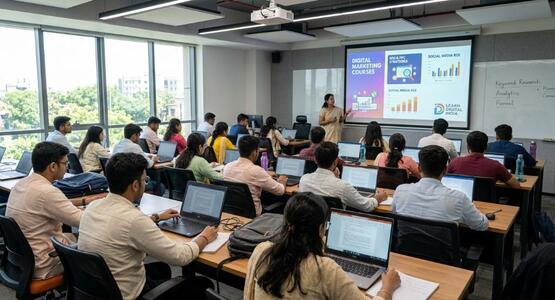
From Student to Digital Marketing Professional: How Digital Marketing Courses in Bongaon Can Transform Your Future
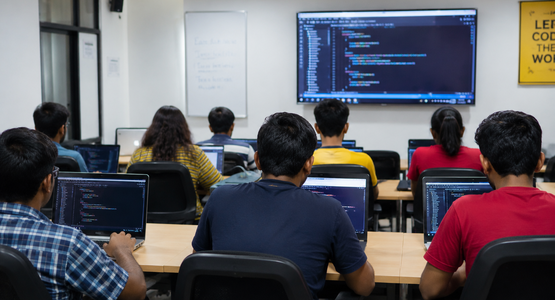
How Learning Python in Nahata Can Open Doors to Global Tech Opportunities

Why Students in Nahata Are Choosing Graphic Design as a Career in 2026

How a Mobile App Development Course in Kalasima Prepares You for the IT Industry
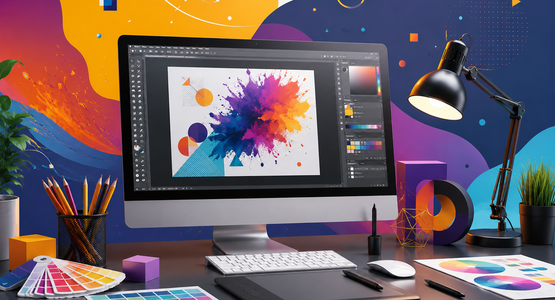
Graphic Designer Course in Helencha to Start a Successful Graphic Design Career

How Students Can Prepare for Job Opportunities for Graphic Designer in Kalupur

Programming Careers in Kolkata: What Happens After You Learn to Code?

Top Career Growth Opportunities for Digital Marketing Professionals in Gaighata

Career Opportunities After Learning Ionic App Design in Gopalnagar

Career Growth Potential Through IT Job Opportunities in Thakurnagar

Faculties from Mobile App Development Institute and Web Designing Institute work hand in hand as these are some of the essential requisites that a digital marketer needs to understand.
Sources