

Graphic design today is far more than making things look attractive. It is a structured way of communicating ideas visually using colour, typography, layout and imagery. In a digital first world, visual communication plays a central role in how people understand brands, products and information. From websites and mobile apps to social media and advertising, graphic design shapes how messages are seen and remembered. Learning graphic design helps individuals understand how visual elements influence emotions, behaviour and decision making. This understanding is essential for anyone who wants to work in creative industries or support business communication in a meaningful way.
A graphic design course introduces learners to the foundations of design thinking. It explains why certain designs work better than others and how visual balance, contrast and alignment affect clarity. Instead of guessing or relying only on creativity, learners begin to design with purpose. This practical mindset is what separates professional design from casual experimentation. Over time, students learn to approach every design task as a problem that needs a clear visual solution.
One of the most common questions people ask is what skills they truly gain from a graphic design course. Beyond software knowledge, learners develop visual awareness and critical thinking. They begin to see everyday visuals differently, noticing spacing, font choices and composition in posters, websites and packaging. This shift in perception is a key outcome of structured design education. It allows learners to analyse designs objectively rather than emotionally.
Practical training also plays a vital role. A graphic design course gives learners the opportunity to work on real style projects such as logos, layouts and digital creatives. Through repeated practice, learners improve accuracy, speed and confidence. Feedback from instructors helps refine ideas and avoid common mistakes early. This guidance is especially valuable for beginners who may struggle to judge their own work. As confidence grows, learners start developing their own design style while still following professional standards.
Many beginners focus heavily on design software, but experienced designers know that tools alone do not create good design. Design principles form the backbone of effective visual communication. A graphic design course teaches learners how colour psychology influences mood, how typography affects readability and how layout guides attention. These principles remain relevant regardless of changes in software or technology.
Understanding design principles allows learners to adapt easily to new tools in the future. It also improves problem solving skills. Instead of copying trends, designers learn to make informed decisions based on audience needs and project goals. This approach builds long term value and prepares learners for diverse design challenges across print and digital platforms.
Graphic design skills open doors to a wide range of career paths. Many learners begin in junior design roles where they support experienced designers and gain industry exposure. With experience, they move into specialised areas such as branding, digital design or advertising. Others choose freelance work where flexibility and creative control are priorities. A graphic design course provides the foundation needed to explore these options confidently.
Employers often value practical skills and portfolios more than formal qualifications. A structured course helps learners build a strong body of work that demonstrates real ability. It also prepares learners for professional environments by teaching communication skills, time management and how to handle feedback. These qualities are essential for long term career success in creative industries.
A portfolio is one of the most important outcomes of learning graphic design. It shows how a learner applies theory to practice and how they solve visual problems. During a graphic design course, learners gradually build a portfolio through guided projects. Each project reflects growth in skill, creativity and understanding. Over time, this collection becomes a powerful tool for job applications or freelance opportunities.
A well developed portfolio tells a story about the designer’s thinking process. It shows not just the final result but also the intention behind design decisions. This level of clarity helps potential employers and clients trust the designer’s abilities. Continuous portfolio improvement is encouraged even after completing formal training, as learning in graphic design never truly stops.
The digital landscape continues to evolve, and graphic design evolves with it. New platforms, screen sizes and technologies constantly shape how visual content is created and consumed. A graphic design course helps learners stay adaptable by focusing on core concepts that apply across mediums. Whether designing for print, web or mobile, the same visual principles guide effective communication.
Modern design education also introduces learners to collaboration and interdisciplinary work. Designers often work alongside developers, marketers and content creators. Understanding how design fits into a broader digital strategy increases relevance and employability. This holistic view prepares learners for real world projects where teamwork and adaptability are essential.
Many people interested in graphic design doubt their creative ability. A structured learning environment helps remove this fear. Through guided exercises and consistent practice, learners discover that creativity is a skill that can be developed. A graphic design course encourages experimentation while providing clear frameworks to follow. This balance helps learners grow without feeling overwhelmed.
Creative confidence grows when learners see improvement in their work. Each completed project reinforces learning and builds momentum. Over time, learners become more comfortable expressing ideas visually and defending their design choices. This confidence extends beyond design and positively influences other professional and personal areas.
Visual communication will always be a core part of human interaction. Even as technology advances, the need for clear, engaging design remains constant. Graphic design skills are transferable across industries and adaptable to future trends. Learning these skills through a structured course provides long term value that goes beyond immediate job opportunities.
For anyone interested in creativity, problem solving and communication, graphic design offers a meaningful learning path. It combines artistic expression with practical application, making it both fulfilling and relevant. With the right education and mindset, graphic design becomes a skill that supports continuous growth in an increasingly visual world.

From Student to Developer: The Power of Programming Training in Gaighata
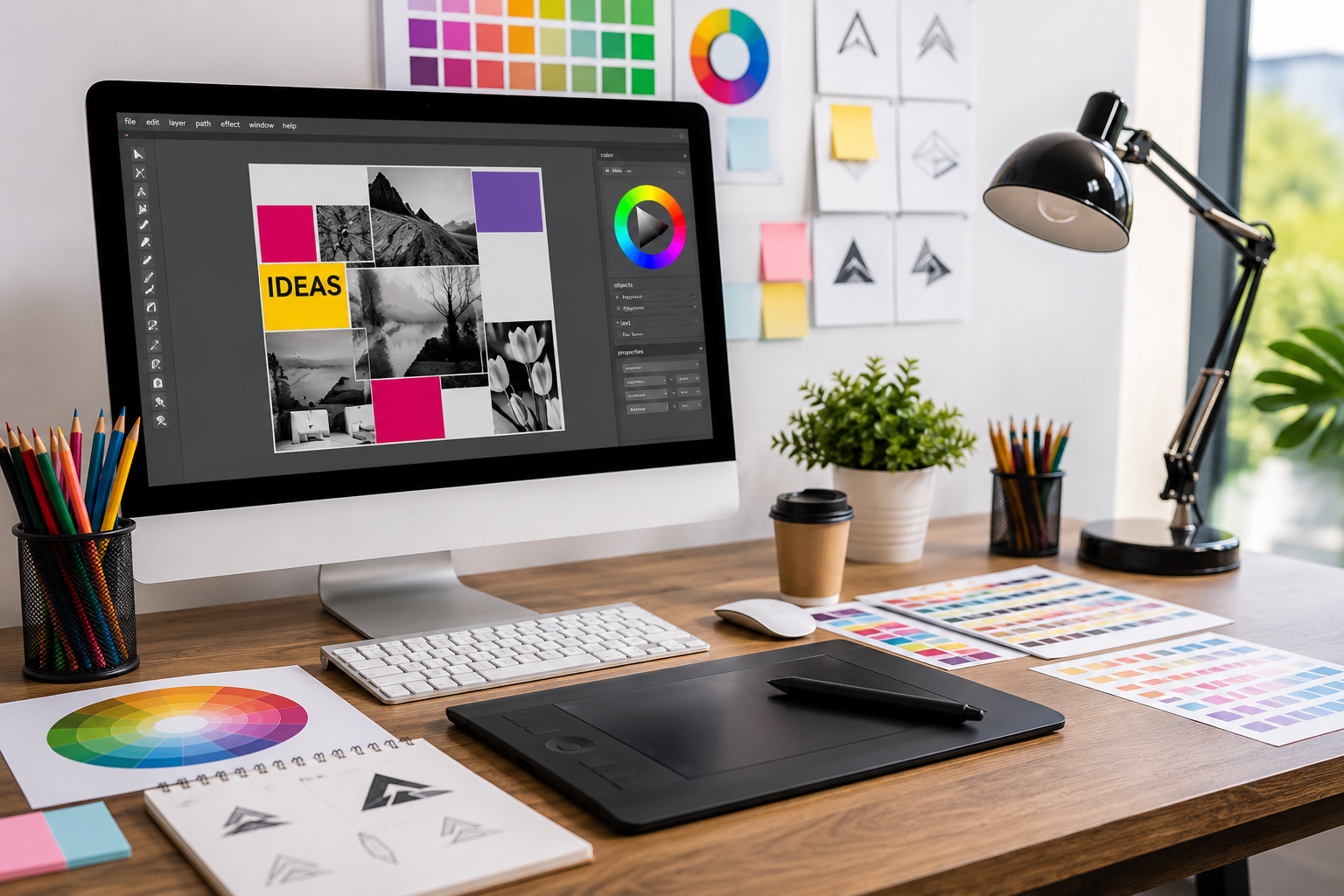
Career Opportunities After Completing a Graphic Design Course in Kalasima
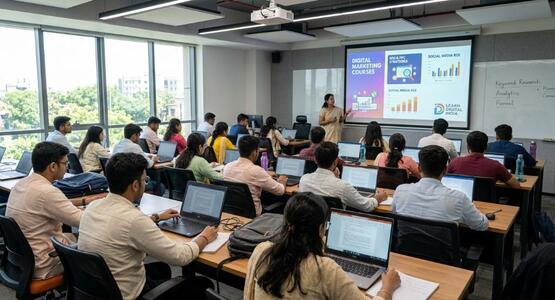
From Student to Digital Marketing Professional: How Digital Marketing Courses in Bongaon Can Transform Your Future
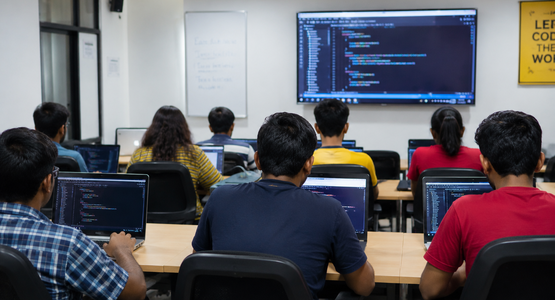
How Learning Python in Nahata Can Open Doors to Global Tech Opportunities

Why Students in Nahata Are Choosing Graphic Design as a Career in 2026

How a Mobile App Development Course in Kalasima Prepares You for the IT Industry
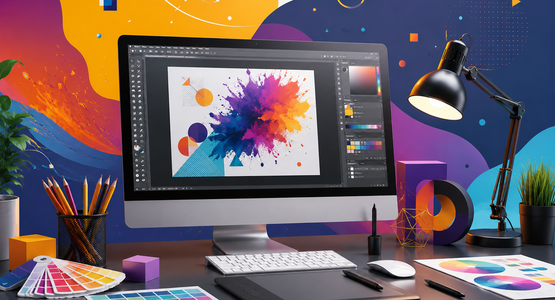
Graphic Designer Course in Helencha to Start a Successful Graphic Design Career

How Students Can Prepare for Job Opportunities for Graphic Designer in Kalupur

Programming Careers in Kolkata: What Happens After You Learn to Code?

Top Career Growth Opportunities for Digital Marketing Professionals in Gaighata

Career Opportunities After Learning Ionic App Design in Gopalnagar

Career Growth Potential Through IT Job Opportunities in Thakurnagar

Faculties from Mobile App Development Institute and Web Designing Institute work hand in hand as these are some of the essential requisites that a digital marketer needs to understand.
Sources