

In 2026, the way people communicate, market and build brands has changed more than ever before. Visual content is no longer optional. It has become a core part of how businesses speak to their audience. Whether someone scrolls through social media, visits a website, or looks at a product advertisement, design is always present. This growing importance has led many people to search for a graphic design course that can help them understand how visuals work and how to turn creativity into a meaningful skill.
Graphic design is not just about making something look attractive. It is about solving problems through visuals. It is about presenting ideas in a way that is clear, engaging and easy to understand. When someone sees a well designed logo or an eye catching advertisement, they do not just see colours and shapes. They experience a message that has been carefully created to connect with them.
For beginners, the world of graphic design may seem confusing at first. There are tools to learn, concepts to understand and skills to develop. Many people wonder where to start, what they will learn, and whether this field is right for them. This guide is designed to answer all those questions in a simple and practical way while also helping you understand how the right training approach can shape your future.
Graphic design can be described as the art and practice of communicating ideas using visual elements. These elements include colours, typography, images, shapes and layout structures. A graphic designer combines these components to create visuals that inform, attract and influence people.
To understand this better, think about a brand you recognise easily. The logo, colour scheme, packaging and advertisements all follow a consistent visual style. That consistency is not accidental. It is the result of thoughtful design decisions. Graphic design helps businesses build identity and stay memorable in the minds of their audience.
In everyday life, graphic design is everywhere. It appears in mobile apps, billboards, websites, product labels, magazines and even simple social media posts. Each of these visuals serves a purpose. Some are created to inform, others to promote, and some to entertain. The designer’s role is to ensure that the message is delivered in the most effective way.
One important aspect of graphic design is understanding the audience. A design created for children will look very different from one created for a corporate brand. Colours, fonts and layouts are chosen based on who will see the design and what action is expected from them. This makes graphic design a mix of creativity and strategic thinking.
Another key part is problem solving. A designer is often given a goal, such as promoting a product or explaining a concept. The challenge is to find a visual solution that communicates the message clearly. This requires thinking, experimentation and refinement.
As we move deeper into the digital age, the importance of graphic design continues to grow. Businesses are competing for attention in a crowded online space. People are exposed to hundreds of visuals every day. In such an environment, only strong and meaningful design can capture attention.
Graphic design plays a major role in branding. A brand without a clear visual identity struggles to stand out. Design helps create recognition and builds trust over time. When people see consistent visuals, they begin to associate them with a particular brand or message.
Marketing is another area where design has a strong impact. Advertisements, social media campaigns and promotional materials depend heavily on visuals. A well designed post can increase engagement, while a poorly designed one may go unnoticed.
User experience is also influenced by design. Websites and mobile applications need to be visually clear and easy to navigate. Good design improves usability and makes interactions more enjoyable.
In addition, graphic design supports communication. Complex ideas can be simplified through visuals such as infographics and illustrations. This makes information easier to understand and remember.
The demand for graphic designers is expected to grow as more businesses move online. From startups to established companies, everyone needs visual content. This creates a wide range of opportunities for individuals who have the right skills.
A professional graphic design course is structured to help learners move from basic understanding to advanced application. It begins with the fundamentals of design, which form the base of all creative work.
Students are introduced to colour theory, where they learn how colours interact and how they influence emotions. Understanding colour combinations helps in creating designs that are visually appealing and effective.
Typography is another important area. It involves the study of fonts, spacing and text arrangement. Good typography improves readability and enhances the overall look of a design.
Layout design focuses on how elements are arranged on a page or screen. This includes understanding balance, alignment and visual hierarchy. A strong layout guides the viewer’s attention and makes the design easy to follow.
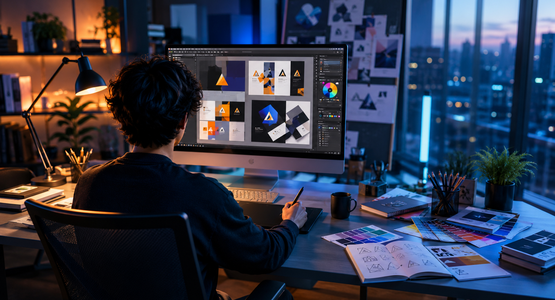
Once the basics are clear, learners move on to industry tools. Software such as Adobe Photoshop, Illustrator and InDesign are commonly used in graphic design. These tools allow designers to create, edit and refine their work with precision.
Image editing and digital manipulation are also covered. Students learn how to enhance photos, create compositions and produce professional quality visuals.
Branding is a key part of the course. This includes designing logos, business cards and brand identity materials. Students understand how to create visuals that represent a brand’s personality.
Modern courses also introduce web design concepts. This helps learners understand how design works in digital environments. It includes creating graphics for websites and understanding user interface basics.
Practical projects are an essential part of learning. Students work on real scenarios that help them apply their skills. This could include designing posters, social media content or brand materials.
Portfolio development is another important outcome. A strong portfolio showcases a student’s work and helps them present their skills to potential employers or clients.
While creativity is important, tools play a major role in turning ideas into reality. Graphic design software helps designers work efficiently and produce high quality results.
Adobe Photoshop is widely used for image editing and digital artwork. It allows designers to work with photos, create compositions and apply various effects.
Adobe Illustrator is used for creating vector graphics. This is especially useful for logo design and illustrations because vector graphics can be scaled without losing quality.
Adobe InDesign is commonly used for layout design, especially for print materials such as brochures and magazines.
Apart from these, designers may also use other tools depending on their work. Understanding how to use these tools effectively is an important part of any graphic design course.
However, it is important to remember that tools are only a medium. The real value lies in how you use them. A good course focuses on building thinking skills along with technical knowledge.
One of the biggest challenges in learning graphic design is the gap between theory and practice. Many learners understand concepts but struggle to apply them in real situations. This is why practical learning is essential.
Working on projects helps students experience real challenges. They learn how to interpret requirements, create ideas and refine their work based on feedback.
Practical learning also builds confidence. When students complete projects, they gain a sense of achievement and clarity about their abilities.
Another advantage is exposure to different types of work. By working on various projects, learners understand different aspects of design and discover their strengths.
Courses that include live projects and real world scenarios provide a more meaningful learning experience. They prepare students for actual work environments and expectations.
Choosing the right institute can have a significant impact on your learning journey. V1 Academy focuses on practical training and industry relevance, making it a strong choice for those who want to build real skills.
The course is designed to start from the basics and gradually move towards advanced topics. This helps beginners learn comfortably without feeling overwhelmed.
One of the key strengths of V1 Academy is its focus on hands on learning. Students work on real projects, which helps them understand how design works in actual situations.
The curriculum is based on current industry needs. This ensures that students learn skills that are useful and relevant in today’s market.
Guidance from experienced instructors adds value to the learning process. Students receive feedback that helps them improve and develop their own style.
The academy also supports portfolio development. This helps students showcase their work and prepare for job opportunities or freelance projects.
Another important aspect is career support. Students are guided towards different career paths in graphic design, helping them understand where they can apply their skills.
Many institutes offer graphic design courses, but not all provide the same level of learning experience. V1 Academy stands out because of its approach and focus on practical outcomes.
The course structure is clear and easy to follow. Students are guided step by step, which makes learning more effective.
The emphasis on real projects ensures that students gain practical experience. This helps them build confidence and prepare for professional work.
The academy also focuses on individual growth. Students are encouraged to explore their creativity and develop their own style.
Access to modern tools and updated content ensures that learners stay aligned with industry trends.
Another difference is the focus on long term skill development. The training is not limited to completing lessons but aims to build a strong foundation for future growth.
A graphic design course opens the door to various career options. Many students choose to work as graphic designers in companies, where they create visual content for marketing and communication.
Freelancing is another popular option. Designers can work with clients from different industries and locations. This provides flexibility and the opportunity to work on diverse projects.
Some designers specialise in branding, creating visual identities for businesses. Others focus on digital design, working on websites and online platforms.
Social media design is also a growing field. Designers create content for platforms such as Instagram and Facebook, helping brands connect with their audience.
With experience, designers can move into advanced roles such as art direction or creative leadership. Some also choose to start their own design businesses.
Graphic design is a field that continues to evolve. New trends, tools and technologies appear regularly. This makes continuous learning an important part of growth.
Practising regularly helps improve skills and build confidence. The more projects you work on, the better you understand design principles.
Observing and analysing existing designs can also help you learn. It allows you to understand what works and why.
Experimentation is another key factor. Trying new ideas and approaches helps you develop your creativity and discover new possibilities.
Building connections with other designers can provide valuable insights and support. Sharing experiences helps you learn and grow.
Graphic design is a powerful skill that combines creativity, communication and technology. It plays a major role in shaping how people interact with information and brands.
A well structured graphic design course helps you understand the fundamentals, learn tools and gain practical experience. It prepares you to think like a designer and create meaningful visuals.
V1 Academy offers an approach that focuses on real learning and industry relevance. With practical training, expert guidance and a clear learning path, it helps students build strong skills and prepare for future opportunities.
If you are looking to start a creative journey or build a career in design, learning graphic design can be a valuable step. With dedication and the right training, you can turn your ideas into impactful visuals and create opportunities for yourself in this growing field.

From Student to Developer: The Power of Programming Training in Gaighata
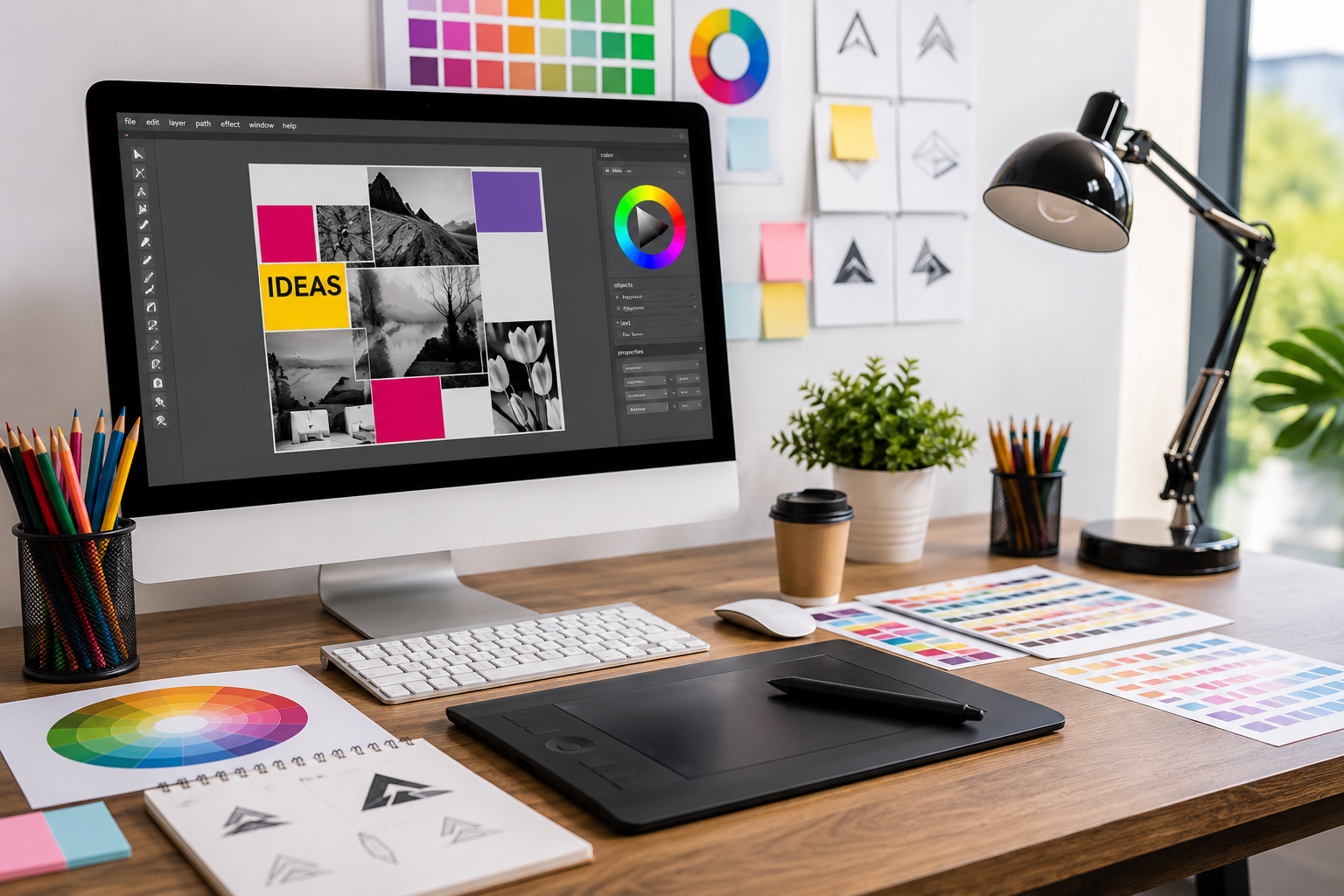
Career Opportunities After Completing a Graphic Design Course in Kalasima
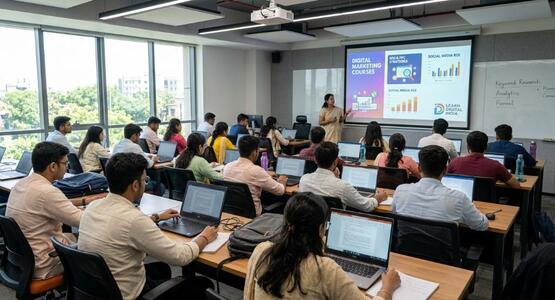
From Student to Digital Marketing Professional: How Digital Marketing Courses in Bongaon Can Transform Your Future
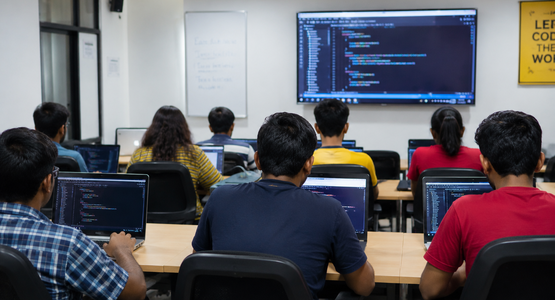
How Learning Python in Nahata Can Open Doors to Global Tech Opportunities

Why Students in Nahata Are Choosing Graphic Design as a Career in 2026

How a Mobile App Development Course in Kalasima Prepares You for the IT Industry
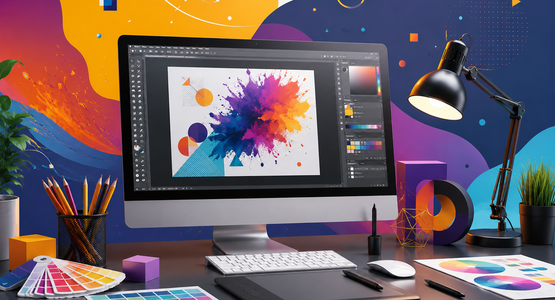
Graphic Designer Course in Helencha to Start a Successful Graphic Design Career
How Students Can Prepare for Job Opportunities for Graphic Designer in Kalupur

Programming Careers in Kolkata: What Happens After You Learn to Code?

Top Career Growth Opportunities for Digital Marketing Professionals in Gaighata

Career Opportunities After Learning Ionic App Design in Gopalnagar

Career Growth Potential Through IT Job Opportunities in Thakurnagar

Faculties from Mobile App Development Institute and Web Designing Institute work hand in hand as these are some of the essential requisites that a digital marketer needs to understand.
Sources