

Graphic design has become one of the most influential creative professions in the modern digital world. Every brand, business, organisation and entrepreneur depends on visual communication to express ideas, build identity and connect with audiences. From social media graphics to product packaging and website visuals, graphic design shapes how people understand and interact with information every day. As businesses continue to expand online, the demand for skilled graphic designers continues to grow across industries.
For anyone exploring creative career options, enrolling in a graphic design course can be a transformative step. A well structured course does not simply teach software tools. It develops the ability to think visually, solve communication problems through design and build professional level creative skills. Many learners today search online questions such as what a graphic design course teaches, how to become a graphic designer, what career opportunities exist in graphic design, and whether graphic design is a good career choice. These are important questions because the design industry rewards both creativity and technical expertise.
Learning graphic design requires a blend of artistic understanding and practical training. Modern graphic designers must understand colour psychology, typography, layout principles and digital design tools while also thinking strategically about brand messaging and user experience. Professional training programmes help learners build these skills step by step while gaining real world design exposure.
Institutions that specialise in technology and creative education, such as V1 Academy in Kolkata, have recognised the growing need for structured design training. The academy focuses on skill development programmes across multiple digital disciplines including graphic design, web development, mobile application development and digital marketing. Their graphic design training emphasises practical learning, industry relevant tools and conceptual understanding so students can apply their knowledge in real design environments.
This guide explores everything a learner should know about graphic design education, including how a graphic design course builds creative skills, what topics are covered, how the industry works and why design skills remain one of the most valuable abilities in the modern digital economy.
Graphic design is often misunderstood as simply creating attractive visuals. In reality, it is a powerful communication discipline that combines creativity, strategy and technology to convey information effectively. Graphic designers transform complex ideas into visual messages that people can quickly understand and remember. This ability makes design essential across marketing, branding, advertising, publishing and digital media.
In the modern business environment, companies compete for attention in an increasingly crowded digital space. Visual communication helps brands stand out and connect with their audiences emotionally. A well designed logo can instantly convey brand identity. A carefully structured advertisement can influence customer decisions. Even a simple social media graphic can improve engagement and brand recall.
Professional graphic designers work with various visual elements including typography, colours, imagery, layout structures and visual hierarchy. These elements are combined thoughtfully to create designs that communicate messages clearly. Graphic design therefore involves both artistic creativity and problem solving. Designers must understand the target audience, the communication objective and the platform where the design will appear.
This is why structured education is important for aspiring designers. Learning graphic design through random tutorials often leaves gaps in foundational knowledge. A proper graphic design course introduces learners to design theory while helping them practice real world projects. Students gradually develop both conceptual understanding and technical ability.
Training institutions that focus on skill based education understand that graphic design must be taught as both an art and a practical profession. At V1 Academy, for example, the curriculum emphasises both theoretical principles and hands on project work so students experience the entire design process from concept development to execution.
Graphic design also evolves constantly as technology advances. New digital platforms, design tools and visual trends appear every year. Designers who receive structured training are better prepared to adapt to these changes and remain relevant in a competitive creative industry.
Many beginners believe that learning graphic design simply means mastering design software. While digital tools are important, they represent only a small part of the design learning journey. A comprehensive graphic design course teaches a wide range of concepts that shape how designers think and create.
The learning process usually begins with the fundamentals of visual design. Students explore concepts such as colour theory, typography, visual hierarchy, layout composition and balance. These principles form the foundation of effective visual communication. Without understanding them, even the most advanced design software cannot produce strong design work.
Colour theory teaches how colours influence perception and emotion. Typography focuses on how different typefaces communicate tone and meaning. Layout principles guide how elements are arranged on a page or screen so viewers can process information clearly. When these elements work together, a design becomes visually appealing and easy to understand.
After learning the core principles, students begin working with industry standard design software. Professional designers commonly use tools such as Adobe Photoshop, Illustrator and other digital design platforms to create graphics for print and digital media. Graphic design courses introduce these tools gradually while teaching practical design applications.
Students also learn about different types of design work. Graphic design extends far beyond logos and posters. Designers create branding materials, social media graphics, advertisements, brochures, website visuals, packaging designs and marketing assets. Each design category has its own objectives and technical requirements.
Many professional courses also include practical projects where learners create complete design portfolios. A strong portfolio is essential for entering the design industry because it demonstrates a designer’s ability to solve visual problems and communicate ideas creatively.
Training programmes often simulate real client projects to help students experience the professional design workflow. This includes understanding project briefs, researching audiences, creating design concepts, refining layouts and presenting final visual solutions. These experiences prepare learners for real industry expectations.
Graphic design cannot be mastered through theory alone. Creative skills develop through consistent practice and experimentation. That is why hands on training is one of the most important aspects of a quality graphic design course.
Practical learning allows students to apply design principles to real visual challenges. Instead of memorising rules, learners experience how colours interact, how typography affects readability and how layouts influence audience engagement. Each project becomes an opportunity to improve design thinking and refine creative instincts.
Professional training environments encourage experimentation. Students explore multiple design approaches before choosing the most effective solution. They learn how to evaluate their work critically and understand how small adjustments can significantly improve visual communication.
Institutions that prioritise practical education often provide access to professional design tools, modern computer systems and collaborative learning environments. These resources allow students to simulate real studio experiences while developing technical proficiency.
At V1 Academy, the design curriculum focuses on hands on skill development so students can gain practical experience that translates directly into professional work environments. The programme emphasises real project execution rather than purely theoretical instruction.
Practical assignments also help students build confidence in their abilities. Many beginners initially feel uncertain about their creative skills. By completing multiple design projects and receiving feedback, learners gradually develop a strong sense of creative direction and professional capability.
Over time, practical training also helps students discover their personal design style. Some designers gravitate towards branding and identity design while others prefer digital illustration, advertising or user interface design. A comprehensive course exposes learners to different creative areas so they can identify their strengths.
Graphic design offers one of the most flexible career paths in the creative industry. Designers can work in many professional environments including advertising agencies, digital marketing firms, media companies, technology organisations and creative studios. Many designers also choose freelance careers where they work with clients from around the world.
The demand for graphic designers continues to grow because visual communication is essential for modern businesses. Companies rely on designers to create branding materials, promotional campaigns, website graphics and social media content. Even small businesses require professional design support to maintain a strong visual identity.
One of the most common career paths is becoming a professional graphic designer who works on marketing materials and digital graphics. Designers in this role collaborate with marketing teams, brand managers and content creators to develop visual campaigns that support business objectives.
Another popular career direction is branding and identity design. Designers in this field focus on creating visual systems that represent a brand’s personality and values. This includes logo design, brand colour palettes, typography guidelines and visual style frameworks.
Web design and user interface design are also closely connected to graphic design education. Designers who understand layout, typography and visual hierarchy can transition into designing digital interfaces for websites and applications.
Graphic design education also opens doors to roles such as art director, creative director or visual communication specialist. These positions involve overseeing larger creative projects and guiding design teams to achieve consistent visual messaging.
Training programmes often highlight these career possibilities to help students understand the scope of the design industry. Courses that focus on industry relevant skills make it easier for learners to transition from education to professional employment.
The global economy is increasingly driven by digital communication. Businesses interact with customers through websites, social media platforms, digital advertisements and mobile applications. Every one of these channels relies on visual design to capture attention and communicate information clearly.
Graphic designers therefore play a crucial role in shaping how organisations present themselves online. A well designed social media campaign can increase brand awareness. A clear and engaging website interface can improve customer experience. Even product packaging design can influence purchasing decisions.
Design also supports storytelling. Businesses often communicate their values, mission and personality through visual identity systems. Graphic designers translate these ideas into logos, colour schemes, typography and imagery that represent the brand consistently across platforms.
In addition, design thinking is becoming increasingly valuable in problem solving. Designers learn to analyse complex communication challenges and develop visual solutions that simplify information for audiences. This ability is useful not only in marketing but also in education, technology, healthcare and social communication.
Training institutions that specialise in creative education recognise this growing importance. V1 Academy, for instance, offers programmes that combine design training with other digital disciplines so learners understand how visual design integrates with modern digital careers.
As digital transformation continues across industries, professionals with both creative and technical skills will remain highly valuable. Graphic design education therefore provides not only artistic development but also long term career stability in an evolving digital landscape.
Selecting the right training programme can make a significant difference in a learner’s creative development. With many courses available today, students should evaluate several factors before choosing where to study graphic design.
One of the most important considerations is the course curriculum. A well structured programme should include both design theory and practical training. Students should learn foundational principles while also gaining experience with professional design tools and real project work.
Instructor expertise is another critical factor. Experienced faculty members who have worked in the design industry can provide insights that go beyond textbook knowledge. They understand industry expectations and can guide students through realistic creative challenges.
Hands on learning opportunities also play an essential role in effective design education. Courses that encourage project based learning allow students to build portfolios while developing technical confidence.
Facilities and resources are equally important. Access to modern computer systems, updated design software and collaborative learning environments can significantly enhance the learning experience.
Some training institutions also offer career support services such as internship opportunities or placement assistance. For example, V1 Academy highlights industry exposure and career oriented training as part of its educational approach, helping learners develop skills that align with professional requirements.
Ultimately, the best graphic design course is one that nurtures creativity while building practical professional skills. Students should look for programmes that encourage experimentation, provide expert guidance and prepare them for real industry challenges.
The future of graphic design looks extremely promising as digital media continues to expand globally. Businesses, educational institutions, technology companies and social organisations all rely on visual communication to share ideas and reach audiences effectively.
New technologies are also creating exciting opportunities for designers. Augmented reality, interactive media and immersive digital experiences are opening new areas where visual storytelling plays a key role. Designers who understand both creativity and digital technology will have significant advantages in these emerging fields.
Artificial intelligence tools are also influencing design workflows. Rather than replacing designers, these tools often support the creative process by helping with repetitive tasks and generating visual variations. Human creativity, strategic thinking and emotional understanding remain irreplaceable elements of effective design.
Another important trend is the increasing importance of user centred design. Businesses want visuals that not only look appealing but also improve user experience. Designers who understand human behaviour and communication psychology will therefore remain in high demand.
Education will continue to play a central role in preparing designers for these evolving challenges. Structured training programmes that combine creativity, technology and real world practice provide the strongest foundation for long term success.
For learners who feel drawn to visual creativity, graphic design education can open doors to a career that is both intellectually stimulating and professionally rewarding. Designers have the unique opportunity to shape how people experience information, interact with brands and understand the world visually.
By developing strong design fundamentals, gaining practical experience and continuously learning new technologies, aspiring designers can build fulfilling careers in one of the most dynamic creative industries of the modern era.

From Student to Developer: The Power of Programming Training in Gaighata

Career Opportunities After Completing a Graphic Design Course in Kalasima
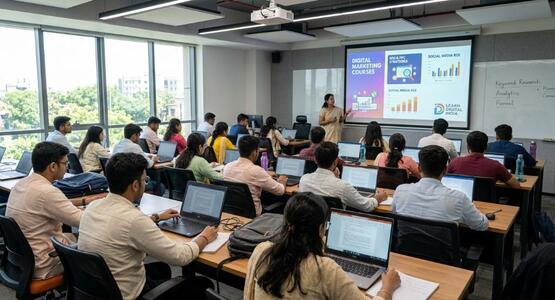
From Student to Digital Marketing Professional: How Digital Marketing Courses in Bongaon Can Transform Your Future

How Learning Python in Nahata Can Open Doors to Global Tech Opportunities

Why Students in Nahata Are Choosing Graphic Design as a Career in 2026

How a Mobile App Development Course in Kalasima Prepares You for the IT Industry
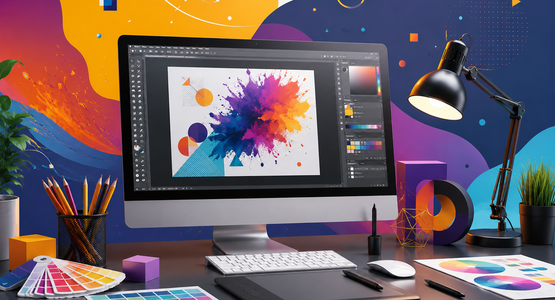
Graphic Designer Course in Helencha to Start a Successful Graphic Design Career

How Students Can Prepare for Job Opportunities for Graphic Designer in Kalupur

Programming Careers in Kolkata: What Happens After You Learn to Code?

Top Career Growth Opportunities for Digital Marketing Professionals in Gaighata

Career Opportunities After Learning Ionic App Design in Gopalnagar

Career Growth Potential Through IT Job Opportunities in Thakurnagar

Faculties from Mobile App Development Institute and Web Designing Institute work hand in hand as these are some of the essential requisites that a digital marketer needs to understand.
Sources