

In an age where visual communication shapes how people understand information, recognise brands and interact with digital and physical products, the value of a graphic design course becomes increasingly clear. Graphic design is far more than decoration or visual styling. It is a structured form of communication that blends creativity with purpose, turning ideas into visuals that carry meaning, clarity and emotional impact. Every poster, website banner, brand logo, magazine layout or social media creative that captures attention is built on a foundation of design thinking. This is why learning graphic design in a structured environment offers much more than learning software. It offers a way to think, observe and communicate visually with intent.
When you think of graphic design, you are really thinking about a discipline that combines art, communication theory, psychology, technology and business understanding. It is a field where creativity meets logic and imagination meets strategy. A graphic design course helps learners understand this connection in a clear and practical way. It guides them through the journey of understanding how visual elements influence human perception, how design affects decision making and how visuals can shape the way audiences feel and respond. This kind of learning builds both technical ability and creative confidence, allowing learners to transform simple ideas into meaningful visual expressions.
A structured learning environment also provides clarity about what learners can expect from professional design training. Rather than experimenting randomly, students follow a well planned path that introduces them to design fundamentals, gradually building towards advanced application. This progression helps learners grow in a way that feels organised and purposeful. At the heart of this journey is the idea that graphic design skills can unlock opportunities to express ideas in ways that are both personally fulfilling and professionally valuable.
One of the most important reasons a graphic design course holds value is because it teaches the fundamental principles that support every successful design. These principles include balance, alignment, contrast, hierarchy, proximity, colour harmony and typography. Each of these elements plays a vital role in how a design communicates with its audience. Without understanding these basics, designs often appear confusing or ineffective, even if they look visually appealing at first glance. A course helps learners understand why these principles matter and how to apply them in real situations.
Graphic design is built on the idea of balancing form and function in every visual composition. Learners discover how to use space wisely, how shapes and lines guide attention, how typefaces influence readability and mood, and how imagery can enhance or distract from a message. Colour theory is another key area where learners gain deep insight. They understand how colours create emotions, influence perception and support brand identity. Typography is explored not just as text styling but as a visual language that carries tone and personality.
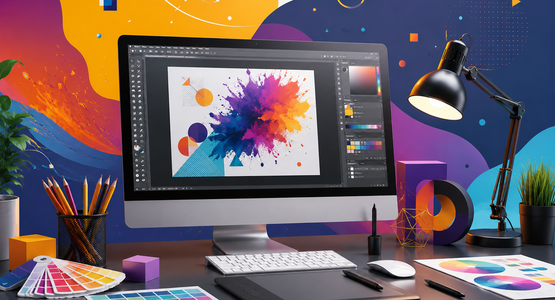
Beyond theory, students are introduced to industry standard tools such as Adobe Photoshop, Illustrator and InDesign. These tools are not taught in isolation but are connected to design thinking. Students learn not only how to use them but also when to use them and why certain tools are more suitable for specific tasks. This connection between theory and practice ensures that learners can confidently translate creative ideas into professional outputs suitable for both print and digital use. The structured guidance offered by a graphic design course helps learners gain fluency in both the thinking process and the practical execution required in real world design work.
Learning graphic design is not only about understanding concepts but also about consistent practice and meaningful feedback. A graphic design course provides opportunities for learners to work on real projects that simulate professional scenarios. These projects might include branding exercises, poster design, packaging design, social media creatives, editorial layouts or digital interface designs. Working on such projects allows learners to apply their knowledge while also discovering their creative strengths and preferences.
Feedback from experienced instructors plays a crucial role in this process. Constructive critique helps learners understand where they can improve and how they can refine their design decisions. This iterative process of creating, reviewing and improving builds confidence and sharpens creative judgement. It also teaches learners how to accept feedback positively, which is an essential skill when working with clients or teams in professional environments.
As learners complete projects, they gradually build a portfolio that showcases their abilities. This portfolio becomes a visual record of their growth and a powerful tool when applying for jobs or freelance work. Employers and clients often judge designers by their portfolios, as it demonstrates practical skill, creativity and problem solving ability. A graphic design course ensures that students graduate not just with knowledge but with a body of work that reflects their competence and creative thinking.
A graphic design course often introduces learners to related areas such as branding, user experience design and strategic communication. This broader knowledge helps learners understand how graphic design fits into larger business and communication contexts. For example, when designing for a brand, students learn how visuals contribute to brand identity, recognition and trust. They understand how consistency in colour, typography and imagery creates a strong brand presence.
User experience concepts also become relevant, especially when designing for websites and digital platforms. Learners understand how layout affects usability, how visual hierarchy guides users through content and how design decisions influence interaction. This knowledge allows designers to create visuals that are not only attractive but also functional and user friendly.
By connecting graphic design with communication goals, learners begin to see design as a strategic tool rather than a decorative one. They understand how visuals can influence engagement, encourage action and communicate messages clearly across different platforms and audiences.
One of the most valuable outcomes of a graphic design course is the development of a designer mindset. Learners begin to approach visual challenges with curiosity and critical thinking. They start asking important questions such as who the design is for, what message it needs to convey and how it will be viewed by the audience. This mindset shifts their approach from random creativity to purposeful design thinking.
Through guided exercises and discussions, students learn to analyse designs, understand what makes them effective and apply similar logic in their own work. Over time, they become more confident in making design decisions and explaining the reasoning behind them. This ability to think and communicate like a designer is essential in professional settings where design choices must be justified and aligned with objectives.
Graphic design education also contributes to personal growth. As learners experiment with ideas and explore creative solutions, they become more comfortable expressing themselves visually. They learn to trust their creative instincts while also grounding them in design principles. This balance between creativity and structure helps learners develop a unique design style that reflects their personality and understanding.
The process of learning graphic design often inspires learners to observe the world differently. They start noticing design in everyday life, from advertisements to packaging and digital interfaces. This awareness enhances their ability to learn continuously and stay inspired.
Graphic design plays a crucial role in the modern digital world where visuals dominate communication. From social media to websites, from marketing materials to mobile applications, graphic design influences how information is presented and perceived. A graphic design course prepares learners to contribute effectively in this visually driven environment.
By learning how to think like a designer and apply design principles practically, learners gain skills that are valuable across industries. Whether working in marketing, media, branding or digital communication, graphic design knowledge enhances the ability to communicate ideas clearly and creatively.

From Student to Developer: The Power of Programming Training in Gaighata

Career Opportunities After Completing a Graphic Design Course in Kalasima

From Student to Digital Marketing Professional: How Digital Marketing Courses in Bongaon Can Transform Your Future

How Learning Python in Nahata Can Open Doors to Global Tech Opportunities

Why Students in Nahata Are Choosing Graphic Design as a Career in 2026

How a Mobile App Development Course in Kalasima Prepares You for the IT Industry
Graphic Designer Course in Helencha to Start a Successful Graphic Design Career

How Students Can Prepare for Job Opportunities for Graphic Designer in Kalupur

Programming Careers in Kolkata: What Happens After You Learn to Code?

Top Career Growth Opportunities for Digital Marketing Professionals in Gaighata

Career Opportunities After Learning Ionic App Design in Gopalnagar

Career Growth Potential Through IT Job Opportunities in Thakurnagar

Faculties from Mobile App Development Institute and Web Designing Institute work hand in hand as these are some of the essential requisites that a digital marketer needs to understand.
Sources