

The demand for software developers continues to grow across India, creating exciting opportunities for students, fresh graduates, and career starters who want to build a future in technology. In Bagdah, many young people are exploring career options that offer long term growth, skill development, and access to modern industries. Software development has become one of the most attractive career choices because it combines creativity, problem solving, and technical knowledge while opening doors to employment opportunities across different sectors.
Many freshers often wonder whether they need an advanced degree, years of experience, or exceptional coding skills before entering the software industry. The reality is quite different. Most successful software developers began their journey by learning the fundamentals, building projects, and continuously improving their skills over time. With the right approach, dedication, and learning path, freshers from Bagdah can begin developing the knowledge and practical experience required to enter this growing field.
A Website Design and Development Course provides the practical knowledge needed to create modern, user friendly websites from the ground up. It helps learners develop valuable technical skills, strengthen problem solving abilities, and improve their chances of pursuing opportunities in the growing digital sector.
The software industry values skills and practical understanding. Employers increasingly look for candidates who can solve problems, understand programming concepts, and demonstrate their abilities through projects. This creates opportunities for individuals who are willing to learn and stay committed to their professional development. Whether someone has completed higher secondary education, a college degree, or is considering a career transition, software development remains an accessible and rewarding career option.
As technology becomes an essential part of everyday life, businesses require websites, mobile applications, business management systems, e commerce platforms, and digital tools. This growing dependence on technology has created consistent demand for software developers who can design, develop, test, and maintain these systems. Understanding how to start this journey can help freshers in Bagdah move confidently towards a successful technology career.
Before starting a software developer career, it is important to understand the responsibilities involved in the profession. Software developers create digital solutions that help businesses, organisations, and individuals perform tasks more efficiently. They write code, build applications, fix technical issues, improve system performance, and work with teams to create products that meet user requirements.
Many beginners imagine software development as spending the entire day writing complex code. While coding is an important part of the role, developers also spend time analysing problems, discussing project requirements, testing applications, improving user experiences, and learning new technologies. Strong communication skills and logical thinking are often just as valuable as technical knowledge.
A software developer may specialise in website development, mobile app development, front end development, back end development, software testing, cloud computing, artificial intelligence, or database management. Each area offers unique opportunities and career paths. Freshers should focus on understanding these different specialisations before deciding which direction best matches their interests and strengths.
The technology sector changes rapidly. New tools, programming languages, and development frameworks emerge regularly. Successful developers develop a habit of continuous learning and stay updated with industry trends. This willingness to learn often becomes one of the biggest advantages for freshers entering the field because they can adapt quickly to changing requirements and modern technologies.
Software development also encourages creativity. Developers create solutions to real world problems and often work on projects that impact thousands of users. This combination of technical expertise and creative problem solving makes software development an engaging and fulfilling profession for many individuals.
A strong educational foundation can help freshers gain confidence as they begin their software development journey. While many employers value formal education, practical skills and project experience have become equally important in today's job market. Students from Bagdah can begin by developing a solid understanding of computer fundamentals, programming concepts, and software development principles.
Programming languages serve as the building blocks of software development. Beginners often start with languages such as Python, Java, JavaScript, or C++. These languages help learners understand core concepts including variables, loops, functions, conditions, and object oriented programming. Learning these fundamentals creates a foundation that makes it easier to understand additional programming languages later.
Computer science concepts also play a significant role in professional development. Topics such as data structures, algorithms, databases, operating systems, and networking help developers write more efficient and effective software. While some beginners focus entirely on coding, understanding these concepts often improves problem solving abilities and prepares candidates for technical interviews.
Website development has become one of the most popular entry points into the software industry. Learning HTML, CSS, and JavaScript enables freshers to create interactive websites and understand how modern web applications function. These skills provide practical experience and allow learners to build projects that demonstrate their capabilities to future employers.
Structured learning environments can also provide guidance during the early stages of a software development career. Training programmes, technology courses, coding workshops, and practical development projects help students gain hands on experience while learning industry practices. Exposure to real development environments often improves confidence and prepares freshers for professional opportunities.
Developing technical skills should always be combined with practical application. Reading programming books and watching tutorials provide valuable knowledge, but building actual projects helps learners apply concepts and identify areas where improvement is needed. Practical experience often strengthens understanding more effectively than theory alone.
Many successful developers recommend focusing on consistency rather than speed. Learning software development requires patience and regular practice. Spending time each day coding, solving problems, and building projects often produces better results than trying to learn everything within a short period. Freshers who maintain a steady learning routine are more likely to develop strong technical foundations and long term confidence.
The software industry also values analytical thinking. Developers frequently encounter challenges that require investigation, experimentation, and creative problem solving. Practising coding challenges and logical exercises can help freshers strengthen these abilities while improving their understanding of programming concepts.
As learners progress, they should begin exploring software development tools commonly used within professional environments. Version control systems, development environments, debugging tools, and collaborative platforms are important components of modern software development workflows. Familiarity with these tools can improve productivity and prepare candidates for workplace expectations.
Another important aspect of education involves understanding how software projects are developed from start to finish. Software development typically includes planning, design, coding, testing, deployment, and maintenance. Learning about each stage helps freshers appreciate the complete development process and understand how different team members contribute to project success.
Technology careers reward individuals who demonstrate curiosity and determination. Freshers who actively seek opportunities to learn, practise, and improve their skills often discover that consistent effort leads to noticeable progress. Building a strong educational foundation creates the confidence needed to move towards more advanced topics and professional development opportunities.
The journey towards becoming a software developer does not require perfection from the beginning. Every experienced developer started as a beginner. The key lies in developing strong fundamentals, embracing continuous learning, and gaining practical experience through meaningful projects. By focusing on these areas, freshers in Bagdah can establish a solid base for future success within the software industry.
One of the biggest challenges freshers face when starting a software developer career is the lack of professional experience. Many beginners believe that companies only hire candidates who have worked in the industry before. In reality, employers often value practical project experience because it demonstrates the ability to apply technical knowledge to real situations.
Building projects allows freshers to transform theoretical learning into practical skills. Even simple projects can show problem solving abilities, coding knowledge, and commitment to learning. A personal portfolio website, task management application, student management system, weather application, calculator, blogging platform, or online shopping website can help demonstrate programming capabilities.
Projects also help learners understand the complete software development process. During development, they encounter challenges related to planning, coding, testing, debugging, and deployment. Solving these challenges strengthens technical understanding and prepares candidates for workplace environments where problem solving is a daily responsibility.
When creating projects, freshers should focus on quality rather than quantity. A few well developed projects often create a stronger impression than many incomplete applications. Each project should include clear functionality, clean coding practices, responsive design where applicable, and proper testing before presentation.
Many recruiters ask candidates to explain projects during interviews. Freshers who have built projects themselves can confidently discuss technical decisions, challenges encountered, and solutions implemented. This practical understanding often makes candidates stand out from others who have only studied theory.
Open source projects also provide valuable learning opportunities. Many software communities welcome contributions from beginners. Participating in these projects allows freshers to collaborate with developers, understand professional coding standards, and gain exposure to industry practices. It also helps build confidence when working within larger development environments.
Project development encourages independent learning. While building applications, learners often need to research solutions, read documentation, and explore new technologies. This habit of self learning becomes extremely valuable throughout a software development career because technology continues to evolve rapidly.
A professional portfolio acts as a digital showcase of a developer's skills, projects, and achievements. For freshers who may not have professional work experience, a strong portfolio can significantly improve employment opportunities and help recruiters assess technical abilities.
A portfolio should clearly present completed projects along with descriptions explaining their purpose, technologies used, and key features. Screenshots, demonstrations, and source code references can provide additional evidence of technical competence. Recruiters appreciate candidates who can clearly explain the work they have completed.
Personal portfolios also demonstrate initiative and professionalism. Building a portfolio website allows freshers to showcase website development skills while creating a central location where employers can review their work. A clean design, simple navigation, and clear project descriptions can improve the overall presentation.
Many software developers use professional platforms to share projects and collaborate with other programmers. Maintaining an active coding profile and regularly updating projects can help demonstrate consistent learning and development. Recruiters often review these profiles to understand a candidate's technical interests and coding activity.
A portfolio should reflect growth and learning. Freshers should not wait until they become experts before creating one. Even beginner projects can demonstrate progress and commitment. As skills improve, newer and more advanced projects can be added to strengthen the portfolio further.
Including a short professional introduction can also help visitors understand career goals, technical interests, and areas of expertise. This creates a more complete picture of the candidate and makes the portfolio feel more personal and engaging.
Attention to detail matters when presenting projects. Clear documentation, organised code, and professional presentation demonstrate qualities that employers value. These small details can influence how recruiters perceive a candidate's approach to software development.
Internships play a valuable role in helping freshers transition from learning to professional employment. They provide practical exposure to workplace environments and help candidates understand how software development teams operate within real organisations.
Many freshers hesitate to apply for internships because they believe their skills are not yet sufficient. However, internships are designed to support learning and development. Companies often expect interns to continue improving their knowledge while gaining practical experience under guidance from experienced professionals.
Internships help individuals understand project workflows, team communication, software testing processes, development methodologies, and client requirements. These experiences provide insights that are difficult to gain through self study alone.
Working alongside experienced developers allows freshers to observe professional coding practices and development standards. This exposure often accelerates learning and helps candidates develop habits that improve code quality and productivity.
Internships also contribute to professional confidence. Completing tasks, solving technical issues, and participating in team discussions helps freshers become more comfortable within professional settings. This confidence often improves interview performance and workplace readiness.
Another significant advantage of internships is networking. Building relationships with mentors, colleagues, and industry professionals can create future career opportunities. Many developers secure full time employment through connections established during internships or training programmes.
Even short term internships can strengthen a resume. Employers often view internship experience as evidence of practical exposure and commitment to career development. Freshers who actively seek opportunities to gain industry experience often position themselves more competitively within the job market.
Technical knowledge alone does not guarantee success within the software industry. Employers increasingly value soft skills because software development involves collaboration, communication, and problem solving within team environments.
Communication skills are particularly important. Developers regularly discuss requirements, explain technical concepts, participate in meetings, and collaborate with team members. Being able to communicate clearly helps prevent misunderstandings and contributes to successful project outcomes.
Problem solving remains one of the most important skills within software development. Developers encounter challenges every day, ranging from coding errors to complex system issues. Strong analytical thinking allows individuals to identify root causes and develop effective solutions.
Time management also plays a significant role in career growth. Software projects often involve deadlines and multiple responsibilities. Developers who can organise tasks effectively and prioritise important work tend to perform more consistently within professional environments.
Adaptability has become increasingly valuable as technology evolves. New frameworks, programming languages, and development tools emerge regularly. Professionals who embrace change and continue learning are better prepared to remain competitive within the industry.
Teamwork is another essential skill. Modern software development rarely occurs in isolation. Developers work with designers, testers, project managers, business analysts, and clients. The ability to collaborate effectively contributes to project success and professional growth.
Attention to detail can significantly impact software quality. Small mistakes in code may create major issues within applications. Developers who carefully review their work often produce more accurate and dependable results.
Confidence should be balanced with a willingness to learn. Successful developers recognise that continuous improvement is part of the profession. Seeking feedback, learning from mistakes, and accepting constructive guidance contribute to long term career development.
Professional behaviour also influences career progression. Meeting commitments, respecting colleagues, maintaining a positive attitude, and demonstrating responsibility can create a strong reputation within organisations. These qualities often become important factors when companies consider promotions or advanced opportunities.
As freshers prepare to enter the software industry, they should focus on developing both technical and interpersonal abilities. Combining coding skills with strong communication, teamwork, and problem solving capabilities creates a balanced professional profile that appeals to employers across different sectors.
The journey towards becoming a successful software developer involves much more than learning programming languages. It requires practical experience, continuous learning, professional development, and a commitment to growth. Freshers who invest time in these areas often find themselves better prepared for opportunities within the technology sector and more confident when pursuing their career goals.
At V1 Academy, we offer a practical Website Design and Development Course designed to help learners build strong skills in modern web technologies. We guide students through HTML, CSS, JavaScript, Bootstrap, PHP, and database concepts while providing hands on exposure that helps them understand how professional websites are created and managed.
Through our Website Design and Development Course, we help aspiring developers move beyond theory and gain practical web development experience. We cover essential technologies, coding concepts, and website building methods that prepare students to confidently work on real world web projects.

From Student to Developer: The Power of Programming Training in Gaighata

Career Opportunities After Completing a Graphic Design Course in Kalasima

From Student to Digital Marketing Professional: How Digital Marketing Courses in Bongaon Can Transform Your Future
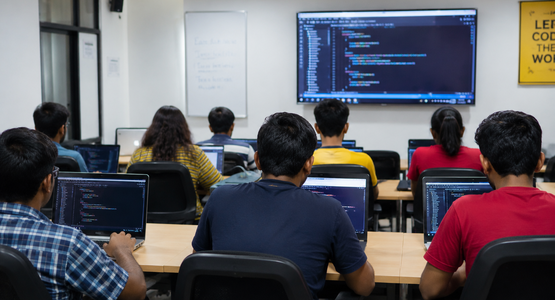
How Learning Python in Nahata Can Open Doors to Global Tech Opportunities

Why Students in Nahata Are Choosing Graphic Design as a Career in 2026

How a Mobile App Development Course in Kalasima Prepares You for the IT Industry

Graphic Designer Course in Helencha to Start a Successful Graphic Design Career

How Students Can Prepare for Job Opportunities for Graphic Designer in Kalupur

Programming Careers in Kolkata: What Happens After You Learn to Code?

Top Career Growth Opportunities for Digital Marketing Professionals in Gaighata

Career Opportunities After Learning Ionic App Design in Gopalnagar

Career Growth Potential Through IT Job Opportunities in Thakurnagar

Faculties from Mobile App Development Institute and Web Designing Institute work hand in hand as these are some of the essential requisites that a digital marketer needs to understand.
Sources