

Graphic design is no longer just about making things look attractive. It has grown into a powerful communication tool that shapes how people see, understand and connect with the world around them. From the apps we use every day to the branding behind global companies, design influences decisions, builds trust and drives engagement. If you are thinking about your future or considering a career shift, you might be asking a simple but important question. Is graphic design a good career?
The answer is not only yes, but increasingly so in today’s digital first world. Businesses, creators and organisations all depend on strong visual communication. This demand has created a wide range of opportunities for people who can combine creativity with practical skills. Whether you want to work in a company, start your own freelance journey or build a personal brand, graphic design offers a path that is both flexible and future focused.
In this guide, you will gain a deep understanding of why graphic design course is a good career, what makes it a smart choice in the modern job market and how you can start building a strong foundation in this field. The focus is on real insights, practical thinking and long term value so you can make a confident decision about your career.
One of the strongest reasons why graphic design is a good career is the constant and growing demand for skilled designers. Every business today needs a visual identity. This includes logos, websites, social media graphics, advertisements and digital content. As more companies move online, the need for clear and engaging visuals continues to rise.
When people search for information, they are drawn to content that is easy to understand and visually appealing. This is where graphic designers play a crucial role. They help transform ideas into designs that communicate clearly and effectively. From small startups to large organisations, everyone needs design support to stand out in a crowded market.
The shift towards digital platforms has also created new areas within graphic design. User interface design, user experience design and motion graphics are now in high demand. These fields focus on how users interact with websites and applications. Designers who understand both visual communication and user behaviour are highly valued.
Another important factor is the rise of personal branding. Individuals such as content creators, coaches and influencers all require strong visual identities. This has opened up new opportunities for designers to work directly with clients across different industries. As a result, graphic design is no longer limited to traditional roles. It has expanded into a versatile and dynamic career path.
Graphic design is a unique career because it blends creativity with real world application. Many people are drawn to it because it allows them to express ideas visually while solving problems. This balance makes the work both interesting and meaningful.
When you work as a graphic designer, you are not just creating art. You are helping businesses communicate messages, build trust and connect with their audience. This gives your work a clear purpose. Each project presents a new challenge, whether it is designing a brand identity or creating a marketing campaign.
At the same time, graphic design teaches practical skills that are valuable in many areas. You learn how to use design software, understand layout principles and apply colour theory. You also develop skills in communication, time management and problem solving. These skills are not limited to design roles. They can be applied in marketing, content creation and even business development.
This combination of creativity and practicality is one of the key reasons why graphic design is a good career. It allows you to do work that is both expressive and useful. Over time, you can build a portfolio that reflects your style and expertise, which can open doors to new opportunities.
Another major advantage of graphic design is the flexibility it offers. Unlike many traditional careers, graphic design does not follow a single path. You can choose how you want to work based on your interests and goals.
Some designers prefer to work full time within a company. This provides stability and the chance to work on long term projects. Others choose to work as freelancers, taking on different clients and projects. Freelancing offers more freedom and the ability to set your own schedule. It also allows you to work with clients from around the world.
Remote work has become more common, especially in creative fields. Graphic design fits well into this model because most of the work is done digitally. You can collaborate with teams and clients without being in the same location. This opens up global opportunities and makes it easier to build an international client base.
There are also opportunities to specialise in specific areas of design. Some designers focus on branding, while others work in web design, advertising or packaging. Specialisation can help you stand out and attract higher paying projects. As you gain experience, you can choose the direction that suits your strengths and interests.
This level of flexibility makes graphic design a career that can adapt to your lifestyle. Whether you want stability, independence or a mix of both, there is a path that can work for you.
Many people ask whether graphic design offers good earning potential. The answer depends on your skills, experience and how you position yourself in the market. However, there is clear potential for growth in this field.
Entry level designers may start with modest salaries, but as they gain experience, their value increases. Designers who build strong portfolios and develop specialised skills can command higher rates. Freelancers have the added advantage of setting their own prices based on the value they provide.
One important factor is the ability to understand business needs. Designers who can connect their work to results such as increased engagement or improved brand recognition are often more successful. This requires not only design skills but also an understanding of marketing and user behaviour.
There is also room for career progression within companies. Designers can move into senior roles, become creative directors or lead design teams. These positions involve more responsibility and higher earnings. Some designers also choose to start their own design studios or agencies.
The demand for skilled designers continues to grow, which supports long term career stability. As new technologies emerge, there are always new areas to explore. This makes graphic design a career that can evolve over time.
To understand why graphic design is a good career, it is important to look at its impact on businesses. Design is not just about appearance. It plays a key role in how people perceive and interact with a brand.
A well designed logo can create a strong first impression. A clear website layout can improve user experience and increase conversions. Social media graphics can attract attention and encourage engagement. All of these elements contribute to business success.
Companies are becoming more aware of the value of design. They understand that good design can set them apart from competitors. As a result, they are willing to invest in skilled designers who can deliver high quality work.
Graphic design also supports communication across different platforms. Whether it is a digital advertisement or a printed brochure, design helps convey information in a clear and engaging way. This makes it an essential part of marketing and branding strategies.
For designers, this means there is a constant need for their skills. As businesses continue to grow and adapt, the role of design becomes even more important. This ongoing demand is a strong indicator of a stable and rewarding career path.
Starting a career in graphic design requires a solid foundation. This includes both technical skills and an understanding of design principles. Learning the basics is essential before moving on to more advanced concepts.
A structured learning approach can make a significant difference. Instead of trying to learn everything on your own, guided training can help you build skills step by step. This includes understanding typography, colour theory, layout and software tools.
Practical experience is equally important. Working on real projects helps you apply what you have learned and develop your own style. It also allows you to build a portfolio, which is crucial for finding work. A strong portfolio shows your ability to solve design problems and communicate ideas effectively.
Mentorship and feedback can also play a key role in your development. Learning from experienced professionals can help you avoid common mistakes and improve your work. This is especially valuable in the early stages of your career.
As you continue to learn and practise, you will become more confident in your abilities. This confidence will help you take on more complex projects and explore different areas of design. Over time, you can refine your skills and build a career that reflects your strengths.
Technology is changing many industries, but graphic design remains highly relevant. In fact, it is becoming more important as digital content continues to grow. Every new platform and tool creates new opportunities for designers.
Artificial intelligence and automation are often discussed in relation to creative fields. While these tools can assist with certain tasks, they cannot replace human creativity and strategic thinking. Design involves understanding emotions, context and user behaviour. These are areas where human insight is essential.
Graphic designers who stay updated with industry trends and tools can adapt to changes and remain competitive. This includes learning new software, exploring emerging design styles and understanding how users interact with digital products.
The ability to think creatively and solve problems is a skill that will always be valuable. As long as businesses need to communicate visually, there will be a need for graphic designers. This makes it a career that can withstand changes in technology and market trends.
A career in graphic design is not just about professional success. It also contributes to personal growth. As you work on different projects, you learn how to think creatively, manage your time and communicate ideas effectively.
Each project presents a new challenge, which helps you develop problem solving skills. You learn how to approach tasks from different angles and find solutions that work. This builds confidence and improves your ability to handle complex situations.
Working with clients or teams also helps you develop communication skills. You learn how to understand requirements, present your ideas and respond to feedback. These skills are valuable in any career.
Over time, you begin to see the impact of your work. Whether it is a successful campaign or a well received design, this sense of achievement can be very rewarding. It motivates you to continue learning and improving.
Graphic design encourages continuous growth. There is always something new to explore, whether it is a design trend or a new tool. This keeps the work interesting and helps you stay engaged in your career.
Graphic design is a career that offers creativity, flexibility and strong opportunities for growth. It plays a vital role in how businesses communicate and connect with their audience. With the increasing demand for digital content, the need for skilled designers continues to rise.
If you are looking for a career that combines creative expression with practical value, graphic design is a strong choice. It allows you to build skills that are relevant across industries and adapt to changing trends. Whether you choose to work in a company, freelance or start your own venture, there are many paths you can explore.
By developing a solid foundation and gaining practical experience, you can create a career that is both rewarding and future focused. Graphic design is not just a job. It is a skill that can open doors to a wide range of opportunities and help you make a meaningful impact.
At V1 Academy, we offer a comprehensive graphic design course that equips learners with practical skills, creative thinking and industry relevant knowledge. We focus on hands on learning, helping students build strong portfolios and real world confidence to succeed in the design field. Our approach is centred on guiding you step by step so you can turn your creativity into a professional career.

From Student to Developer: The Power of Programming Training in Gaighata
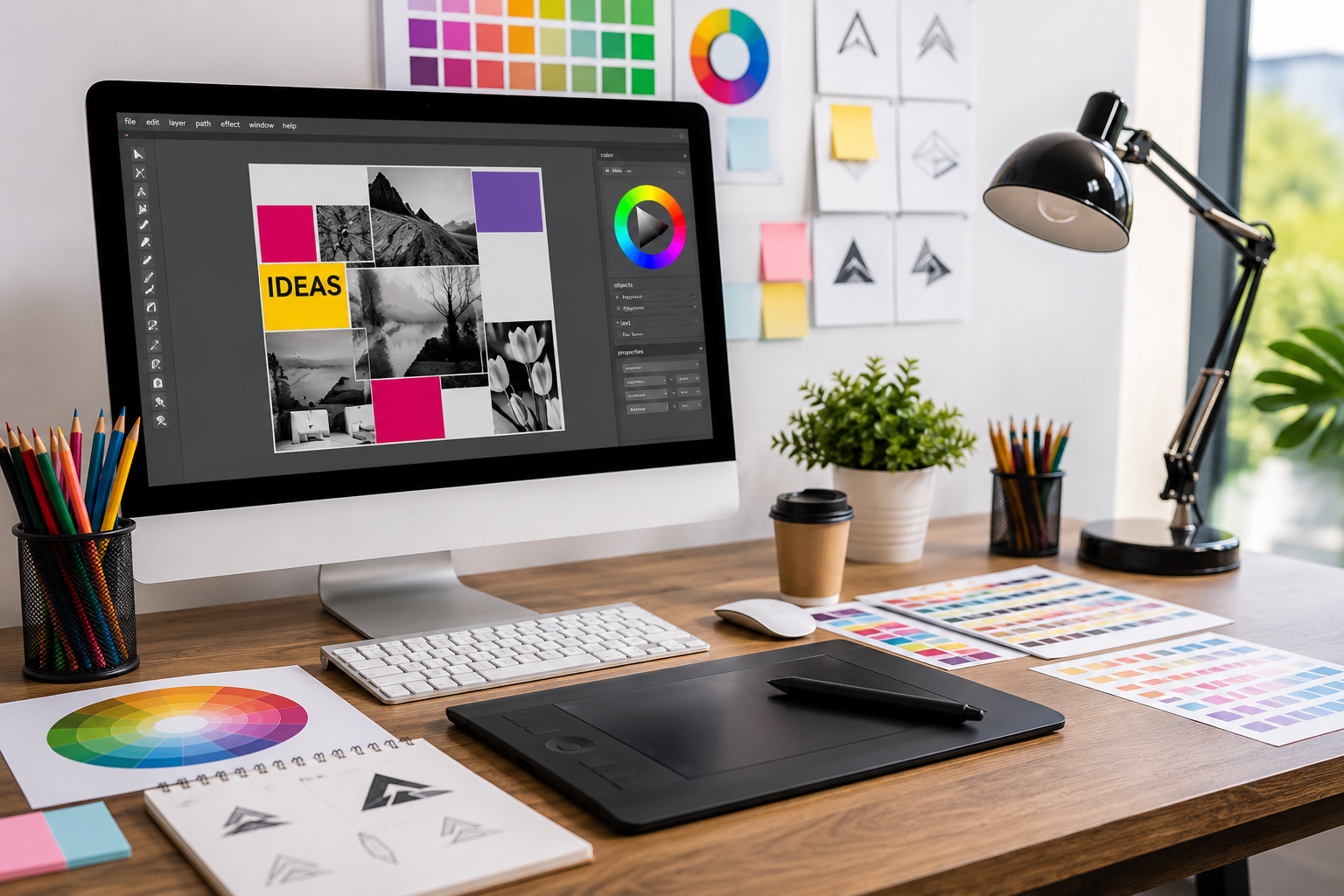
Career Opportunities After Completing a Graphic Design Course in Kalasima
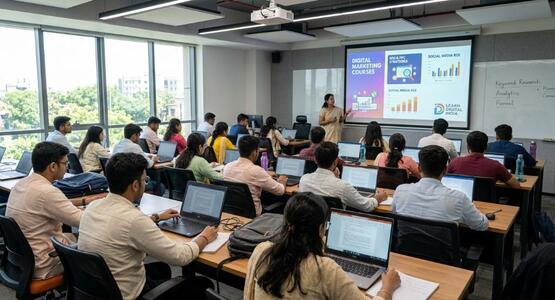
From Student to Digital Marketing Professional: How Digital Marketing Courses in Bongaon Can Transform Your Future
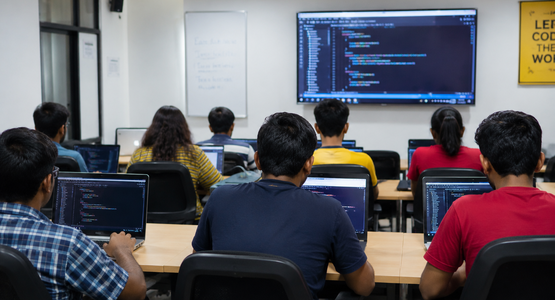
How Learning Python in Nahata Can Open Doors to Global Tech Opportunities

Why Students in Nahata Are Choosing Graphic Design as a Career in 2026

How a Mobile App Development Course in Kalasima Prepares You for the IT Industry
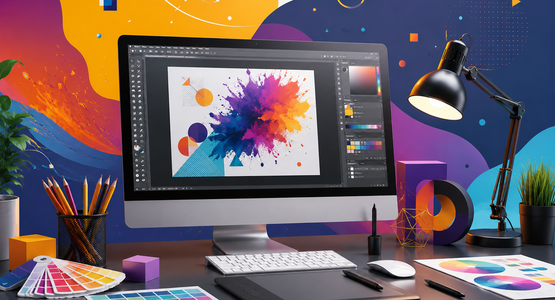
Graphic Designer Course in Helencha to Start a Successful Graphic Design Career
How Students Can Prepare for Job Opportunities for Graphic Designer in Kalupur

Programming Careers in Kolkata: What Happens After You Learn to Code?

Top Career Growth Opportunities for Digital Marketing Professionals in Gaighata

Career Opportunities After Learning Ionic App Design in Gopalnagar

Career Growth Potential Through IT Job Opportunities in Thakurnagar

Faculties from Mobile App Development Institute and Web Designing Institute work hand in hand as these are some of the essential requisites that a digital marketer needs to understand.
Sources