

In an age where digital skills are no longer optional but essential, learning the basics of computing can unlock a world of opportunity. Basic computer courses provide the foundation for nearly every modern academic, professional, and personal endeavour. If you are new to computers or feel unsure about your existing skills, enrolling in a structured basic computer course can change the way you navigate technology, communicate, learn, and work.
Understanding how to use a computer, navigate the internet, and employ essential software such as word processors, spreadsheets, and presentation tools no longer remains optional. These are fundamental skills that help you engage with employers, access information, manage daily tasks and participate fully in today’s digital world. For many people, such skills are the difference between being left behind and staying connected, informed and capable.
This post explores why basic computer courses remain relevant, what they typically teach, common concerns learners have, and how acquiring computer literacy can benefit your everyday life and future career. It is written in clear, simple UK English and today’s digital context, offering guidance that fits naturally with how people use search engines and voice assistants.
For many, using a computer is not intuitive. There is a wide variety of software, operating systems and tasks — from writing documents, creating spreadsheets and presentations, to browsing the internet, understanding email, and even basic graphics tools. Without guidance, people can find themselves lost or mis-using technology. A basic computer course offers structured learning that begins from the ground up, starting with essential concepts such as using a keyboard, mouse, navigating an operating system, and gradually extends to internet browsing, document creation, and essential software operation.
The importance of internet literacy cannot be overstated. The internet connects people globally, serves as a vast repository of information, and enables communication, education and work. A course that teaches internet fundamentals helps learners understand how to open a web browser, access websites, search effectively, use email, and stay safe online. These skills turn a computer from a static machine into a powerful gateway to information, communication and opportunities.
Moreover, basic courses often include training on widely used software like word processors, spreadsheets and presentation software. As more workplaces, educational institutions and day-to-day tasks demand digital documentation, being familiar with these tools gives individuals a clear advantage. It reduces friction in work, allows for better organisation and enhances productivity.
Beyond immediate utility, basic computer literacy builds the confidence needed to explore more advanced areas such as web design, coding, graphic design or digital marketing. Without a solid foundation, stepping into those more specialised skills can feel daunting. A well-structured basic computer course offers a gentle progression, empowering learners to expand their digital capabilities over time.
A comprehensive basic computer course usually begins with the essentials: understanding the parts of a computer, how to start and shut down a machine safely, how to navigate a desktop or operating system, and how to use a keyboard and mouse properly. From there it introduces the internet — using a web browser, understanding how web pages work, searching effectively, using email and basic communication tools. These are the fundamentals that make computers accessible and functional for everyday use.
Once those basics are mastered, most courses move on to teach common office productivity software. This includes word processing software for writing documents, spreadsheet applications for managing numbers or data, and presentation software for creating slide decks. These are vital skills in business, education and many everyday tasks. Learning to create, edit and format documents, perform basic calculations in spreadsheets, and prepare visual presentations are skills that carry across academic and career contexts.
In addition many courses include a basic introduction to graphic tools — simple image editing or design tasks such as cropping, resizing images, creating simple flyers — to give learners a taste of creative digital work. Even rudimentary abilities in image editing or layout design can prove handy, especially in an increasingly digital world where many tasks require visual content creation.
Finally, a thorough basic computer course often includes instruction on safe internet practices, managing files and folders, saving, organising and backing up work, and sometimes a gentle orientation to more advanced computer tasks. This prepares learners to use a computer responsibly and helps avoid common mistakes that come from limited familiarity.
Basic computer courses are beneficial for a wide range of people. Students who are new to computers, older learners who may have little exposure to digital tools, professionals changing careers, and people seeking to improve their job prospects all stand to gain significantly. For students, learning computer skills early can make their academic work easier and open up opportunities in further education or internships.
For working professionals or those preparing for employment, computer literacy remains a key requirement. Many employers expect at least basic competence with office tools and internet use. Being confident with these tools can reduce stress, increase efficiency, and improve job readiness.
For those who may feel left behind in a rapidly digitalising world — perhaps older adults or people from non-technical backgrounds — basic computer training can be transformative. It opens up communication channels, allows them to stay connected, access services online, manage records, and engage in digital interactions with more confidence and independence.
Finally, for anyone interested in learning more advanced digital skills, a basic computer course serves as a stepping stone. Once comfortable with the fundamentals, a learner is more likely to succeed in advanced courses such as web design, coding, digital marketing or graphic design. The solid foundation helps make the learning curve manageable and less intimidating.
When choosing a computer course it helps to check whether the curriculum starts from the very basics and moves progressively. The course should include not only hardware and operating system fundamentals but also internet literacy, office software skills and basic file management. If the course offers a holistic introduction — from switching on a computer to working comfortably with documents, spreadsheets and internet tools — it is likely to be more helpful than one that jumps directly into advanced features without covering essentials.
Teaching quality is also critical. Instructors who are patient, experienced and able to explain concepts clearly make all the difference for beginners. They should encourage learners to practise hands-on rather than just passively absorb knowledge. This approach helps build true competence rather than mere familiarity.
Flexible timings and the option for repeated practise sessions are especially useful for adult learners or those juggling work or family commitments. Ideally, the course should provide study material in accessible formats, allow learners to revisit lessons as needed, and provide support even after the formal course ends. Such features help ensure lasting benefit rather than a fleeting introduction.
It also helps if the course offers some recognition or certification. A credible certificate can boost confidence and serve as a reference for future employers or educational programmes. Finally, a learning environment where students are encouraged to explore, make mistakes and gradually build competence — rather than rushing through modules — tends to deliver sustainable, real-world skills.
Once you gain comfortable control over a computer and related software tasks, the impact on everyday life can be profound. In daily life a basic understanding of computers and the internet allows you to communicate through email or social platforms, access news and information, manage banking or bills online, and even shop or access services without leaving home. For students it makes academic tasks easier — writing essays, creating presentations, analysing data, printing assignments — all become manageable and less stressful.
In a career context, computer skills often form part of the minimum job requirements. Office jobs, administrative work, data entry, report writing, presentation preparation — all require computer literacy. In sectors such as education, retail, services, marketing or administration, these skills give you a clear advantage. Having the confidence to use computer tools efficiently can make you more productive and open up tasks that would otherwise remain out of reach.
Moreover, basic computer skills lay the groundwork for more advanced digital roles. Once you are comfortable with fundamentals, you can explore areas such as website design, digital marketing, graphic design or software development. These paths often require more specialised learning, but a strong base makes them more accessible. For individuals looking to change careers or upgrade their skills, a basic course can be the first step towards a more technical or creative job.
Basic digital literacy also helps people stay connected in an increasingly online world. Whether you want to keep in touch with friends and family, join social media, collaborate on shared documents, or explore educational resources — computers provide an essential tool. For many older learners or people who had limited earlier exposure to technology, gaining computer skills can feel empowering. It can reduce reliance on others, foster independence and open up new possibilities for learning, work and social interaction.
How long does a basic computer course take Before starting a course many people wonder if it will take too much time. Typically a course structured to start from basics and go gradually to comfortable computer use may take a few months to a year depending on the pace, frequency of classes and individual learning speed. For some learners, regular practice and consistency may shorten the time needed to grasp key concepts.
Will I learn everything I need for office jobs A good course covering word processing, spreadsheets, presentations, internet browsing, email, file management and basic digital communication often provides exactly the skills needed for entry-level office or administrative roles. However if you aim for specialized tasks in software development or web design you will need further training.
Is it hard for beginners to cope If the course starts from basics and is taught patiently, most beginners find that they can catch up quite well. The key is regular practice and not rushing through. Many learners, even with zero prior exposure, gradually build confidence and competence.
What if I forget after the course is over Just like any skill, computer knowledge needs regular use. It helps to practice periodically, experiment, and try new tasks rather than limiting yourself to what you used most during course days. Some institutions also offer ongoing support or refresher sessions which can be very helpful.
Will this course help me in future digital learning Absolutely yes. Once you master basic computer skills, it becomes much easier to learn advanced courses. Having a good foundation reduces frustration, helps you grasp new concepts faster and allows you to build skills progressively at your own pace.
With technological progress and digitisation accelerating, the need for computer literacy remains as strong as ever. Many services — educational, financial, professional — are now delivered online. Even simple tasks such as filling forms, communicating, getting information or working remotely often require basic computing and internet skills.
As workplaces change, many roles increasingly involve collaborating online, using digital documentation, spreadsheets and presentations, and participating in remote meetings or conversations. In this scenario, being comfortable with a computer is not optional. It becomes the basic equipment required for effective participation.
Furthermore as more advanced digital domains open up — web development, graphic design, digital marketing, app development — they all assume a base level of computer competency. Without foundational skills even the best advanced course can seem challenging.
In short, basic computer courses remain relevant, versatile and empowering. They act as the practical entry point into our digital world, enabling individuals of all ages and backgrounds to become part of the global conversation, pursue further learning, engage in online work, and adapt to future shifts in work and communication.
Learning the basics of computers through a structured course can be a life-changing decision. It helps build foundational skills that make everyday tasks easier, enable better communication, open doors to education and employment, and foster confidence in a rapidly digitalising world.
If you are new to computers or want to improve your existing skills, a basic computer course offers tangible and lasting benefits. Whether you seek better job opportunities, wish to manage daily tasks digitally or plan to explore advanced digital fields later, grounding yourself in computer basics lays the foundation.
In 2026 and beyond, computer literacy is not a bonus — it is a necessity. Taking the step to learn early can offer long-term rewards, equipping you with the tools to navigate a world where digital competence increasingly defines capability, opportunity and growth.

From Student to Developer: The Power of Programming Training in Gaighata

Career Opportunities After Completing a Graphic Design Course in Kalasima
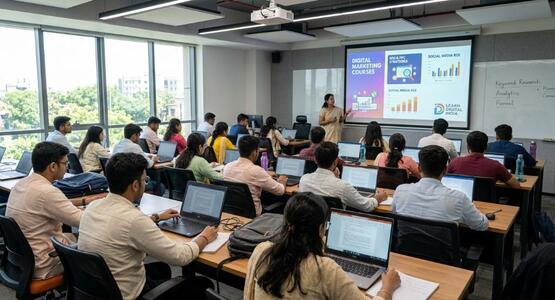
From Student to Digital Marketing Professional: How Digital Marketing Courses in Bongaon Can Transform Your Future
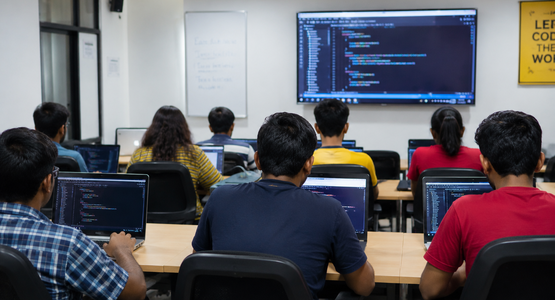
How Learning Python in Nahata Can Open Doors to Global Tech Opportunities

Why Students in Nahata Are Choosing Graphic Design as a Career in 2026
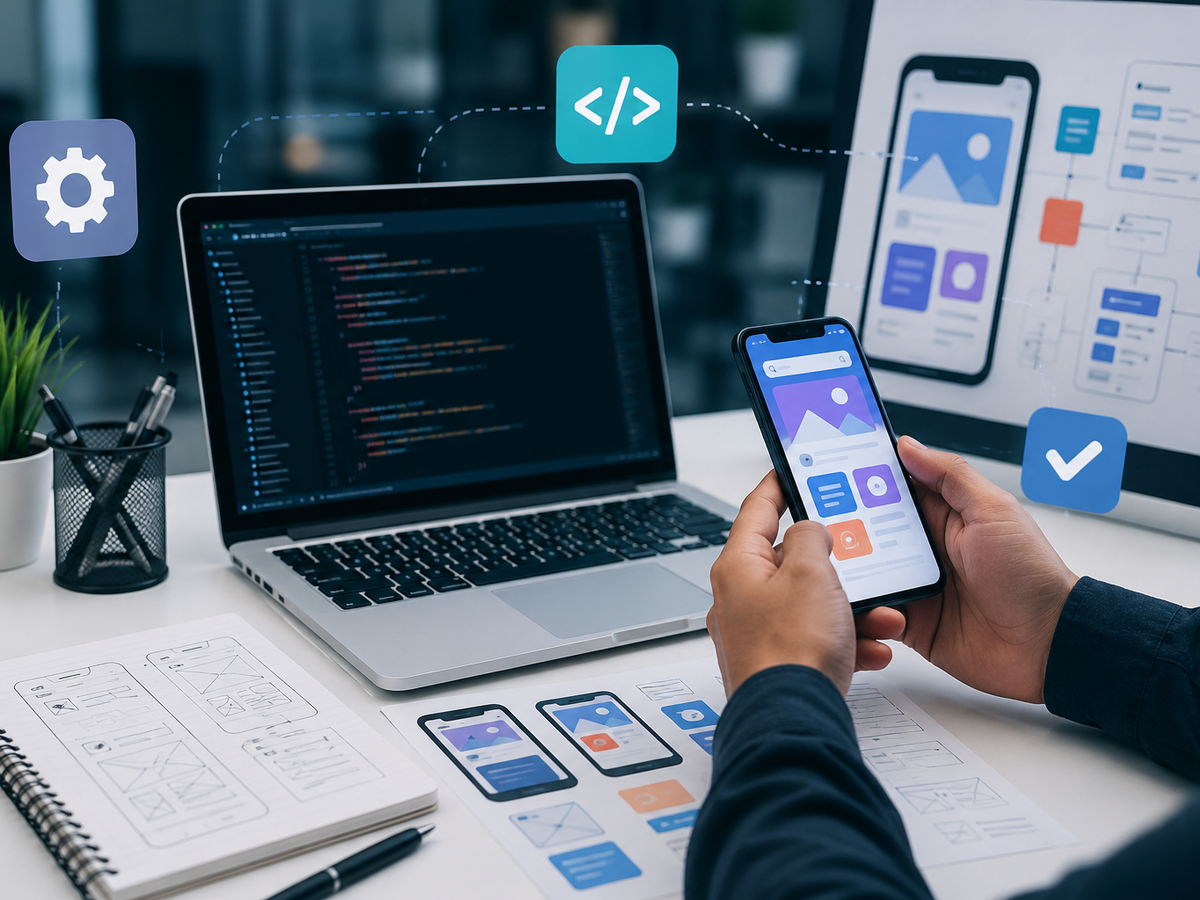
How a Mobile App Development Course in Kalasima Prepares You for the IT Industry

Graphic Designer Course in Helencha to Start a Successful Graphic Design Career

How Students Can Prepare for Job Opportunities for Graphic Designer in Kalupur

Programming Careers in Kolkata: What Happens After You Learn to Code?

Top Career Growth Opportunities for Digital Marketing Professionals in Gaighata

Career Opportunities After Learning Ionic App Design in Gopalnagar

Career Growth Potential Through IT Job Opportunities in Thakurnagar

Faculties from Mobile App Development Institute and Web Designing Institute work hand in hand as these are some of the essential requisites that a digital marketer needs to understand.
Sources