

Computers have become a natural part of everyday life across education work and personal communication. From sending emails and completing online forms to managing documents and accessing services most daily activities now rely on basic digital knowledge. Yet many people still feel uncertain when using a computer especially if they never received structured learning in the early stages. Basic computer courses exist to bridge this gap by helping learners understand technology calmly clearly and confidently from the very beginning. These courses focus on essential computer skills that remove fear and confusion while building practical ability that supports real life needs.
Learning basic computer skills is not about becoming a technical expert. It is about gaining the confidence to use common digital tools independently. When learners understand how computers work and how software supports everyday tasks they feel more in control and capable. This confidence often leads to better decision making stronger communication and greater independence both personally and professionally. Basic computer education provides a strong foundation that supports lifelong digital learning and adaptability in an ever changing technological world.
Basic computer skills refer to the essential knowledge needed to operate a computer and use common applications safely and effectively. These skills begin with understanding hardware such as monitors keyboards mice and system units and how they work together. Learners become familiar with turning computers on and off using operating systems navigating screens and recognising icons menus and settings. These early steps are crucial because they create a sense of comfort and familiarity that allows further learning to develop naturally.
Beyond hardware knowledge basic computer learning introduces software use in a practical way. Learners explore word processing tools to create simple documents edit text format content and save work correctly. This knowledge supports everyday tasks such as writing letters completing homework or preparing workplace documents. Spreadsheets are introduced to help learners organise information understand simple calculations and manage data clearly. Presentation tools are also explored to build confidence in sharing ideas visually. Each of these skills connects directly to real life use making learning relevant and meaningful.
In modern society digital access affects nearly every aspect of daily living. Government services healthcare systems education platforms and banking services all rely on computer based access. Without basic computer skills individuals may struggle to complete essential tasks independently. Learning foundational computer skills allows people to manage personal responsibilities confidently without needing constant assistance. This independence improves quality of life and reduces frustration when dealing with digital systems.
Basic computer courses also support better communication. Email messaging platforms and online video tools are now standard ways to stay in touch with family employers and service providers. When learners understand how to use these tools effectively they can communicate clearly professionally and securely. This reduces misunderstandings and helps individuals feel included in digital conversations rather than excluded. Over time these skills support stronger relationships and increased participation in digital communities.
One of the greatest benefits of basic computer courses is the confidence they build. Many learners begin with anxiety or fear of making mistakes. Structured learning environments help remove this fear by offering clear guidance and supportive practice. Learners are encouraged to explore technology at a comfortable pace while understanding that mistakes are part of the learning process. This approach creates positive learning experiences that replace uncertainty with confidence.
As learners progress through core topics they begin to recognise patterns in how technology works. They learn how menus are organised how settings control behaviour and how files are stored and retrieved. This understanding reduces reliance on memorisation and encourages logical thinking. When learners encounter new software or updated systems they feel more capable of exploring independently because they trust their foundational knowledge. This confidence extends beyond the classroom and into everyday digital interactions.
Internet use is a major component of modern computer literacy. Basic computer courses teach learners how to access the internet safely and effectively. This includes understanding web browsers search engines and how to evaluate information for reliability. Learners practise searching for information using clear keywords and learn how to recognise trustworthy sources. These skills are essential in a world where information is widely available but not always accurate.
Online safety is also a key focus of basic computer education. Learners are introduced to concepts such as secure websites strong passwords and personal data protection. Understanding these principles helps individuals protect themselves from common online risks. Email usage is taught with attention to organisation attachments and professional communication. These internet skills allow learners to use online tools confidently while maintaining awareness of digital safety and responsibility.
Basic computer skills are now considered essential in nearly every job sector. Employers expect individuals to manage documents communicate digitally and adapt to workplace software. Learners who complete basic computer courses often feel better prepared for job applications online assessments and workplace communication. These skills help individuals present themselves professionally and respond to digital tasks efficiently.
In education digital skills support learning across subjects. Students use computers for research assignments collaboration and presentations. Those with strong foundational computer knowledge can focus on learning content rather than struggling with technology. This improves academic confidence and performance. Adults returning to education also benefit greatly as refreshed computer skills reduce stress and improve learning outcomes. Basic computer education supports both career progression and academic success.
The value of basic computer learning extends far beyond initial skill acquisition. These foundational skills support lifelong learning by encouraging curiosity adaptability and independence. Technology continues to evolve but core principles remain consistent. Individuals with strong foundations are better prepared to learn new tools platforms and systems as they emerge. This adaptability is essential in a digital society where change is constant.
Basic computer courses also promote digital inclusion. When people feel capable of using technology they are more likely to engage with online services education and communication. This inclusion supports equality and social participation. Learning basic computer skills empowers individuals to take control of their digital lives and participate fully in modern society with confidence and clarity.
Basic computer courses provide essential skills that support everyday living education and employment. They remove barriers to digital participation and replace uncertainty with confidence. Through structured learning and practical application individuals gain the ability to use computers effectively and safely. These skills form a strong foundation for further digital growth and personal development.
As technology continues to shape how we live and work basic computer education remains a powerful tool for empowerment. Whether someone is learning for personal confidence academic success or career readiness foundational computer skills open doors to opportunity and independence. With the right guidance and practice anyone can develop the digital confidence needed to thrive in the modern world.

From Student to Developer: The Power of Programming Training in Gaighata

Career Opportunities After Completing a Graphic Design Course in Kalasima

From Student to Digital Marketing Professional: How Digital Marketing Courses in Bongaon Can Transform Your Future
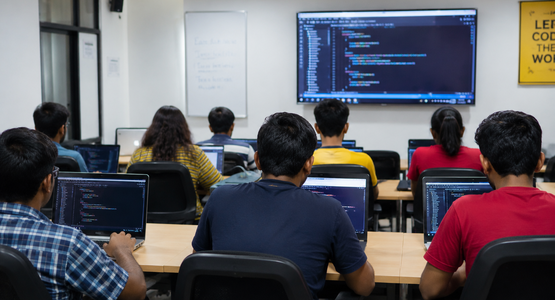
How Learning Python in Nahata Can Open Doors to Global Tech Opportunities

Why Students in Nahata Are Choosing Graphic Design as a Career in 2026
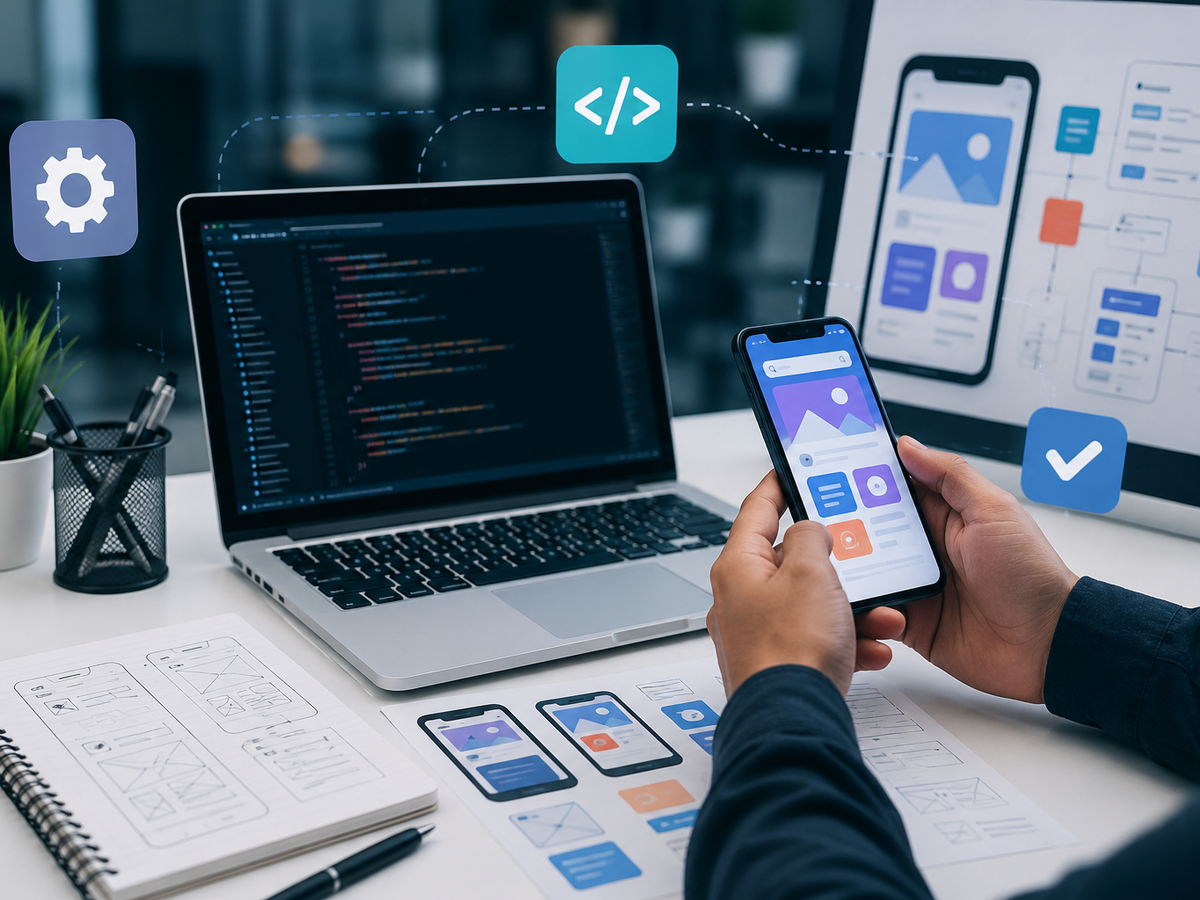
How a Mobile App Development Course in Kalasima Prepares You for the IT Industry

Graphic Designer Course in Helencha to Start a Successful Graphic Design Career

How Students Can Prepare for Job Opportunities for Graphic Designer in Kalupur

Programming Careers in Kolkata: What Happens After You Learn to Code?

Top Career Growth Opportunities for Digital Marketing Professionals in Gaighata

Career Opportunities After Learning Ionic App Design in Gopalnagar

Career Growth Potential Through IT Job Opportunities in Thakurnagar

Faculties from Mobile App Development Institute and Web Designing Institute work hand in hand as these are some of the essential requisites that a digital marketer needs to understand.
Sources