

In today’s world learning basic computer courses is not just an advantage it is a necessity for almost everyone who wants to participate fully in modern life work education or communication. As technology becomes more woven into our daily routines from employment opportunities to simple conversation with friends and family people with strong foundational computer skills always find it easier to adapt learn and grow. Basic computer courses help learners of all ages build confidence understand how digital devices work and improve their ability to handle everyday tasks from managing files to communicating online. In this detailed guide we will explore what basic computer courses are why they matter in the modern world the essential skills you can expect to learn and how developing digital literacy prepares you for both personal and professional success. We will also discuss the deeper impact of strong foundational computing skills on career readiness lifelong learning and everyday quality of life in a world increasingly shaped by digital interaction and remote work opportunities.
Basic computer courses are designed to take a learner from zero prior experience with computers to a point where they are comfortable navigating a personal computer managing essential software and using the internet in safe and productive ways. These courses start with the very basics such as understanding the parts of a computer system how input and output devices function and what operating systems do before moving into more functional areas like word processing spreadsheets digital communication and internet browsing. A well structured basic computer course will also include typing skills because the ability to type accurately and efficiently is fundamental to almost every digital activity from creating documents to sending emails and working with data. In addition learners are introduced to widely used office applications such as text editors spreadsheets and presentation software which form the backbone of productivity in offices schools and even home environments. These application skills form part of standard job descriptions in many industries due to their direct relevance in tasks such as preparing reports analysing information and delivering clear presentations. Basic computer courses also address internet skills and digital communication which have become indispensable in a world where services from government applications to online banking and education are accessed through the internet. Learning to search for information navigate websites construct and manage an email account attach files and understand basic online safety equips individuals to function confidently rather than feeling intimidated by technology. The relevance of these skills stretches far beyond the classroom or training centre because employers across sectors increasingly consider basic digital literacy as a core requirement even for entry level roles. Without these fundamental skills many talented candidates may find themselves overlooked when competing for opportunities that assume a minimum level of computing ability. This foundational knowledge also makes it easier to branch into more advanced topics such as web development graphic design or digital marketing where a confident command of the computer environment is assumed from the outset. All of these elements show why basic computer courses remain essential in 2026 and beyond and why people from diverse backgrounds including students job seekers working professionals homemakers and senior learners benefit from structured learning designed to build competence and confidence with digital tools and platforms. Beyond career motives basic computer courses provide a sense of independence enabling individuals to manage personal tasks online communicate with distant relatives and engage with digital services without needing constant help from others.
Taking a basic computer course means you will develop a set of practical skills that empower you in both everyday life and professional activities. One of the first areas of focus in most basic computer training programmes is understanding how to use the operating system manage files and work with folders. This includes tasks such as creating saving renaming and organising documents in a structured way so you can find information quickly when needed. Though this might sound simple the ability to manage digital files effectively reduces stress saves time and fosters a sense of order that carries over into other areas of life and work. Working with productivity tools forms another core segment of basic computer courses. You will learn how to create and format text documents handle numerical data in spreadsheets prepare simple yet effective presentations and use basic features that make these tools a big part of daily computing tasks. For example when you prepare a text document you learn formatting skills that improve readability and professionalism when you use spreadsheets you begin to understand how data can be sorted and calculated which is invaluable in job roles including administrative support and customer service. Presentation software skills on the other hand help learners communicate ideas visually in educational settings workplace meetings or community groups without feeling overwhelmed. These office application skills not only improve your ability to complete tasks faster but they also enhance your confidence when dealing with information. In addition to office tools modern basic computer courses place significant emphasis on internet skills and understanding how to communicate online. When learners understand how to search for information effectively use search engines with appropriate keywords and evaluate the reliability of websites it transforms their ability to gather knowledge and solve problems. Creating managing and using email effectively is another fundamental skill covered in these courses because email remains a primary method of communication in educational settings workplaces and professional correspondence globally. Learning how to attach files set recovery options and organise an inbox prepares learners to communicate without anxiety and engage with digital services that require email for registration login or notification purposes. Importantly basic computer courses will also cover safe internet use and cyber awareness so learners are aware of how to protect personal information recognise suspicious activity and create strong passwords rather than exposing themselves to avoidable risks. Beyond these basics many courses incorporate typing lessons because typing accuracy and speed directly influence how efficient you become in all digital activities including writing emails preparing documents and entering data into spreadsheets. Building solid typing skills improves overall productivity and reduces the time spent on tasks that require text input. A comprehensive basic course also integrates digital organisation skills which improve the way you arrange not just files but also how you approach task management in digital environments. This can include understanding cloud storage basic backup strategies and how to use digital calendars or productivity tools to manage schedules effectively. All these practical capabilities contribute towards what employers call job readiness because the modern workplace expects even entry level employees to have a baseline comfort with computers. Whether it is preparing simple reports managing records or communicating with colleagues online these skills are in demand. People who complete a basic computer course often find they can apply for a wider range of opportunities because they meet these minimum expectations and can adapt quickly during training for more specialised roles. For students basic computing skills support learning across disciplines from preparing assignments conducting research to working collaboratively with peers online. For homemakers or senior learners these same skills unlock conveniences such as online bill payment grocery ordering and maintaining contact with distant relatives through digital communication channels. In every instance mastering the fundamentals of computing opens doors that would otherwise feel closed due to uncertainty or lack of familiarity with technology.
Digital literacy is much more than knowing how to open applications or type text it is about understanding how technology fits into everyday life how to make informed decisions when using digital services and how to handle tasks confidently without hesitation. Structured basic computer courses build digital literacy by taking learners step by step through each essential skill area ensuring concepts are clear and knowledge is internalised rather than memorised on the surface. This learning approach recognises that many learners start with fear or hesitation especially if they have never used a computer before and that progress should not be rushed. It creates an environment where questions are encouraged patience is a part of teaching and practice is integrated into every learning module. Trainers in well designed courses focus on clarity because when basic concepts such as understanding how files are organised or how internet search works are explained in simple terms learners feel empowered. They begin to see patterns recognise how tasks connect and apply what they have learned to new situations with confidence rather than feeling lost. This human centred teaching style builds competence and mindset which are both essential for success in a digital world. Strong digital literacy helps learners adapt to new software updates navigate unfamiliar platforms and approach problem solving with confidence because they understand underlying principles rather than just isolated functions. For example when you know why a spreadsheet sorts data or why a word processor formats text in a particular way you can troubleshoot simple issues yourself rather than relying on others. Structured learning also emphasises real life application so that learners can connect what they study with situations they will encounter outside the classroom. Whether it is sending a professional email booking an appointment online or preparing a presentation for a school or work scenario these practical connections make learning relevant and memorable. As learners progress through the modules they begin to notice improvements not only in how quickly they complete tasks but also in how they think about technology. Tasks that once felt intimidating become routine. They start to explore new tools independently experiment with settings and explore features without fear of making mistakes. This type of confidence is central to digital literacy because it transforms the learner from a passive user into an active participant in the digital world. Being digitally literate also has wider societal implications. It fosters independence encourages participation in online civic processes and enables individuals to take advantage of services that are now exclusively or predominantly delivered online. For job seekers it enhances employability because you can demonstrate competency with core digital tools that are essential across industries. For lifelong learners it provides a foundation on which advanced skills such as coding web design or digital marketing can be built with less difficulty. Beyond technical tasks digital literacy also contributes to critical thinking about the information you encounter online. It helps learners to evaluate sources recognise misinformation and make better decisions about how they engage with digital content. This is increasingly important in a world where information flows rapidly and not all of it is accurate or trustworthy. A structured basic computer course nurtures this mindset by encouraging safe browsing practices familiarising learners with indicators of secure websites and teaching them how to cross check information before accepting it as true. Over time these habits become second nature and support safe productive use of digital environments at work at school and in everyday life.
Choosing to learn through a recognised training institute that values clear explanation practical experience and ongoing support further boosts the learning journey. Learners benefit from an environment where they are encouraged to practise regularly receive feedback on their progress and build skills in a way that feels encouraging rather than stressful. This supportive atmosphere can be especially valuable for individuals returning to learning after a long break or for those who may have felt overwhelmed by technology in the past. The transformational effect of moving from uncertainty to independence is one of the most rewarding outcomes of completing a basic computer course. It empowers individuals not only to complete technical tasks but also to approach new challenges with a mindset that embraces growth learning and adaptability.

From Student to Developer: The Power of Programming Training in Gaighata

Career Opportunities After Completing a Graphic Design Course in Kalasima

From Student to Digital Marketing Professional: How Digital Marketing Courses in Bongaon Can Transform Your Future
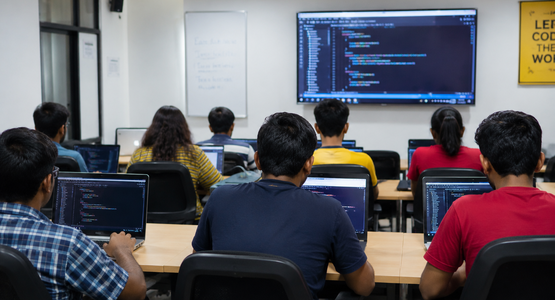
How Learning Python in Nahata Can Open Doors to Global Tech Opportunities

Why Students in Nahata Are Choosing Graphic Design as a Career in 2026
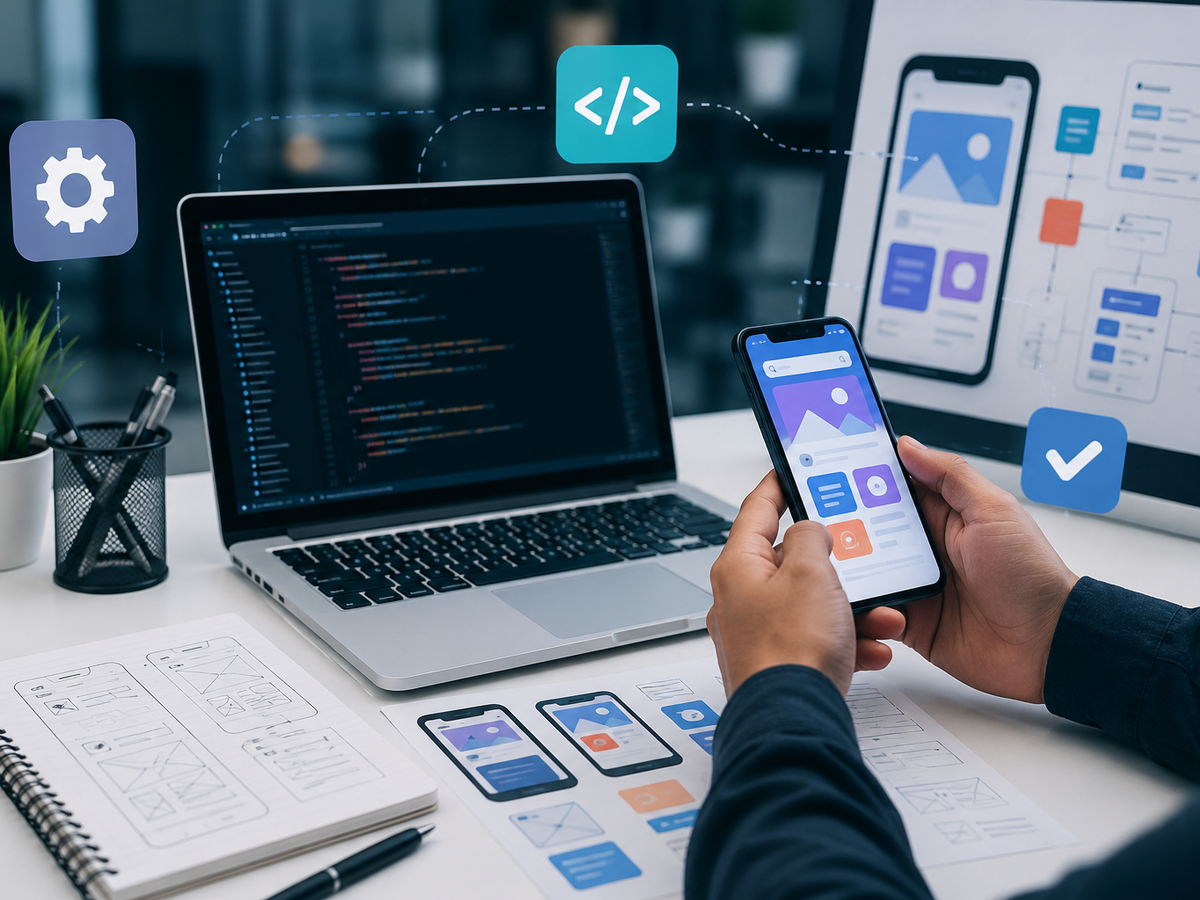
How a Mobile App Development Course in Kalasima Prepares You for the IT Industry

Graphic Designer Course in Helencha to Start a Successful Graphic Design Career

How Students Can Prepare for Job Opportunities for Graphic Designer in Kalupur

Programming Careers in Kolkata: What Happens After You Learn to Code?

Top Career Growth Opportunities for Digital Marketing Professionals in Gaighata

Career Opportunities After Learning Ionic App Design in Gopalnagar

Career Growth Potential Through IT Job Opportunities in Thakurnagar

Faculties from Mobile App Development Institute and Web Designing Institute work hand in hand as these are some of the essential requisites that a digital marketer needs to understand.
Sources