
In a world where digital content shapes how people learn, shop and communicate, visual design has become one of the most powerful skills anyone can learn. From social media posts and websites to branding and advertising, every modern business depends on strong visual identity. This growing demand has made the graphic design course one of the most searched and relevant learning paths for students, job seekers and professionals who want to build a future in creative industries. People are now asking voice assistants and AI tools questions like what is the best way to learn graphic design or how can I start a career in design from home, which shows how strongly interest in this field continues to grow.
A well structured learning journey helps learners understand not only the tools but also the thinking process behind design. A modern graphic design course is no longer just about software training. It is about understanding communication, storytelling and visual psychology. Institutions that focus on career ready education aim to create professionals who can solve real world design problems with clarity and creativity. Learners today are looking for guidance that blends practical skills with industry understanding. They want to know how to create work that connects with people, supports businesses and builds personal portfolios that open doors to new opportunities.
This blog explores the true value of learning design in today’s digital world. It focuses on knowledge, skill building and career growth in a way that supports real user intent. Whether someone is searching for how to start learning graphic design, what skills are needed to become a designer, or how a course can help shape a creative future, the aim is to provide clear and helpful insights. The content here reflects the modern approach to creative education where learning is practical, experience based and designed to prepare individuals for real work environments.
Graphic design is often seen as a creative hobby, but in reality it is a powerful professional skill that supports businesses, media, education and technology. A strong graphic design course introduces learners to the idea that design is not just about making something look attractive. It is about solving problems, sharing ideas and creating visual messages that people can understand quickly. When learners start to understand how design affects how people feel and think, they begin to see its importance in everyday life.
The demand for design professionals continues to grow because every brand needs a strong visual presence. Companies want to build trust through consistent design, and they need skilled people who understand colour, typography and layout. People often ask what can I do after completing a graphic design course or is graphic design a good career option. The answer lies in the wide range of opportunities available. From creating digital content for social media to working on marketing campaigns and website visuals, design plays a central role in communication across industries.
A quality learning environment focuses on teaching both technical skills and creative thinking. Learners need to understand how to use tools, but they also need to know why certain design choices work better than others. This understanding helps them grow into confident professionals who can present ideas clearly. Courses that follow a practical approach often encourage students to work on real projects, which helps them gain experience that feels relevant and meaningful. This builds confidence and prepares them for real client work.
Modern learners are also more focused on gaining skills that lead to employment. They want to know how a graphic design course can help them get a job or start freelancing. This is where structured training becomes important. When students are guided step by step, they learn how to create a professional portfolio, understand client needs and develop the discipline required to work in creative industries. Education that focuses on industry readiness helps students move from learning to earning with greater ease.
A strong graphic design course focuses on building both creative and technical abilities. It helps learners understand the foundation of design which includes visual balance, colour harmony, composition and typography. These elements are important because they form the base of every design project. Without this understanding, even advanced software skills may not produce strong results. Learners often ask how long it takes to learn graphic design or what skills are required to become a designer. The truth is that learning design is a journey that grows stronger with practice and guidance.
One of the key benefits of structured learning is the chance to understand how design fits into real communication. Students learn how to create visuals that match a brand’s message and purpose. They explore how design can influence customer behaviour and how strong visuals can help businesses connect with their audience. This knowledge makes the learning process more meaningful because it connects creativity with real life application.
As technology continues to grow, digital design has become an essential part of everyday work. Designers now create visuals for websites, mobile apps, advertisements and social platforms. A modern graphic design course prepares learners to work in this fast moving environment by helping them understand current trends and digital expectations. People often search for the best graphic design course for beginners or how to learn graphic design step by step. A structured programme answers these questions by providing clear direction and practical learning methods.
Learning in a supportive environment also helps students grow personally. Creative confidence develops when learners receive feedback and guidance. Over time, they begin to understand their own style and strengths. This growth helps them build a strong identity as designers. The process also teaches patience and attention to detail, which are important qualities for long term success in any creative field. When students feel encouraged and supported, they are more likely to stay motivated and continue improving.
The career potential that comes with learning design is one of the biggest reasons why interest in graphic design courses continues to rise. People often ask what jobs can I get after completing a graphic design course or can I work as a freelance designer from home. The creative industry offers many paths, and design skills are useful in both full time roles and independent work. As businesses continue to build their online presence, the need for visual content grows stronger every year.
A person who understands design can work in marketing teams, creative agencies, media companies and digital platforms. They can also support small businesses that need help with branding and promotion. Some choose to specialise in areas like digital advertising, social media visuals or website design. Others prefer to work as freelancers, helping clients from different parts of the world. The flexibility that comes with design skills makes it a strong choice for people who want creative and practical careers.
Many learners today search for how to start a career in graphic design without a degree. This shows that people value skill based learning. A focused course that provides hands on training, real project experience and professional guidance can help learners build strong portfolios. Employers often look at what a designer can create rather than only looking at formal education. This makes skill development and practical learning very important.
Creative careers also grow through continuous learning. Design trends change, technology evolves and new tools appear regularly. Learners who stay curious and keep improving their skills find more opportunities. This mindset of growth and learning helps them stay relevant in a competitive industry. When training is based on real industry needs, students gain confidence that their skills match what employers and clients are looking for.
Learning graphic design through self practice can be helpful, but structured education often provides stronger results. Many learners feel unsure about where to begin or what to learn first. They search for answers like how can I learn graphic design from zero or which graphic design course is best for beginners. A well organised learning path removes confusion and gives clear direction. It helps learners focus on the right skills at the right time.
Guided learning supports both technical growth and creative thinking. Students learn how to approach design problems, understand client needs and present their work professionally. This type of training also creates a habit of discipline and consistency. When learners follow a structured plan, they are more likely to complete projects and build a strong portfolio. Over time, this builds confidence and prepares them for professional work.
Another important part of learning is exposure to real feedback. When students receive suggestions from experienced trainers, they understand how to improve their work. This process helps them see design from a professional perspective. It also teaches them how to handle creative challenges and refine their ideas. Learning in an environment that values practical knowledge and industry relevance helps students feel prepared for real world situations.
People also want to know if graphic design is a future proof career. The answer lies in how strongly design connects with digital growth. Every company that wants to communicate visually needs design support. As online content continues to grow, so does the need for skilled designers. Learning design is not only about finding a job. It is about building a creative skill that can support long term career growth, independent work and personal expression.
Creativity is not limited to artists or designers. It is a skill that can be developed with practice and guidance. A graphic design course helps learners explore their imagination while also learning how to use structure and planning. This balance between creativity and logic is what makes design such an exciting field. Learners discover how small visual choices can change how people see and understand information.
Digital learning has made creative education more accessible. People from different backgrounds now have the chance to learn design and build careers in creative industries. They search for flexible learning options and practical training that prepares them for real work. Education that focuses on experience, skill building and industry awareness helps learners move forward with clarity and purpose.
Many learners also use design skills to support their own businesses or personal projects. They create branding, social media content and promotional material without depending on others. This independence makes design learning valuable for entrepreneurs and content creators as well. A strong understanding of visual communication helps people present ideas more effectively and build a professional image.
The journey of learning graphic design is about more than software or tools. It is about understanding people, stories and communication. When learners begin to see design as a way to connect with others, they start to create work that feels meaningful. This deeper understanding helps them grow into confident professionals who can adapt to new trends and challenges.
As interest in creative careers continues to grow, the importance of structured and practical education becomes even more clear. Learners want knowledge that is easy to understand, relevant to industry needs and guided by real experience. When education focuses on building skills, confidence and creativity together, it supports long term success and personal growth.
A graphic design course can open the door to a world where creativity meets opportunity. With the right guidance and dedication, learners can turn ideas into visuals that inform, inspire and connect. In a digital world that depends on strong visual communication, design remains one of the most valuable skills for the future.

From Student to Developer: The Power of Programming Training in Gaighata
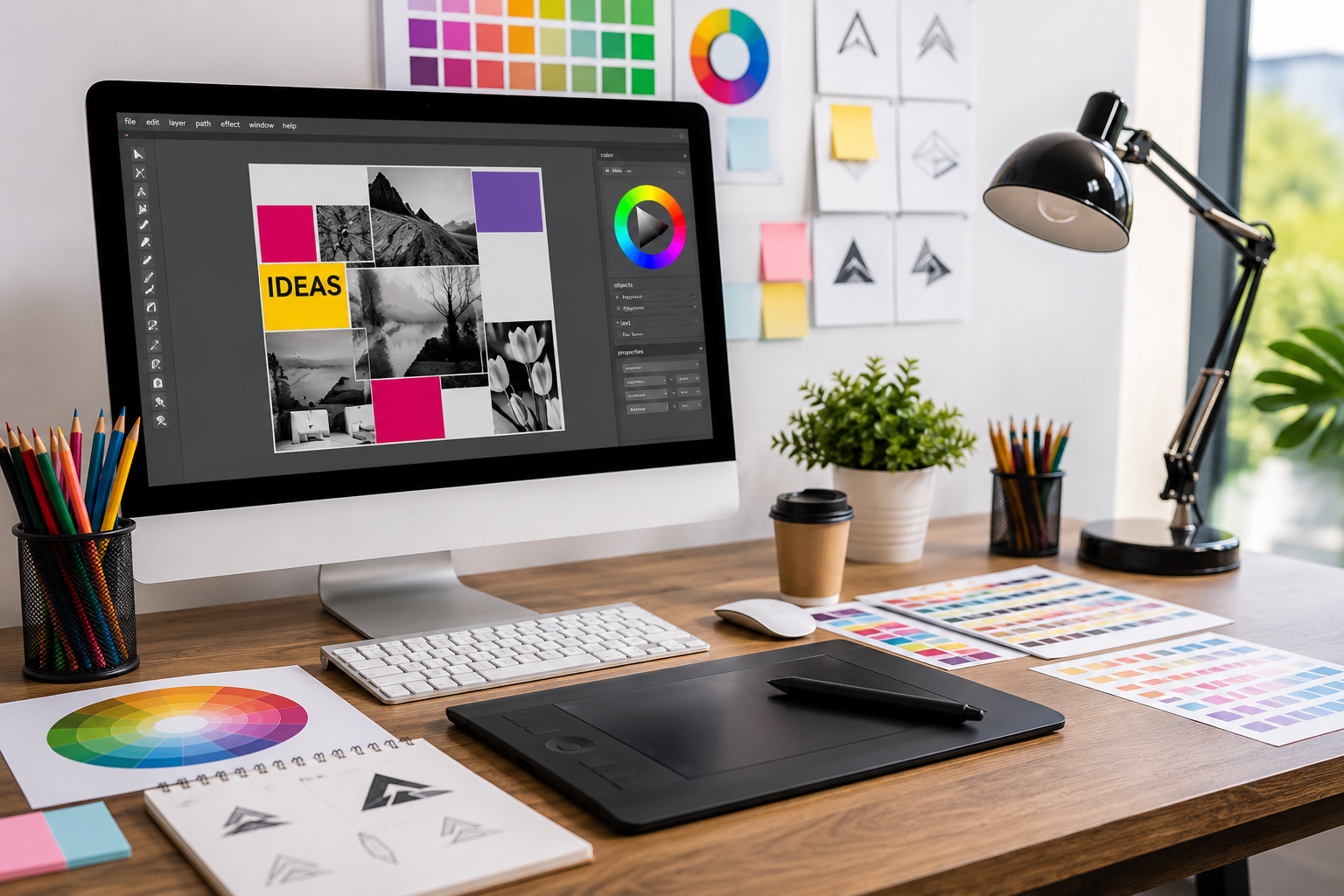
Career Opportunities After Completing a Graphic Design Course in Kalasima
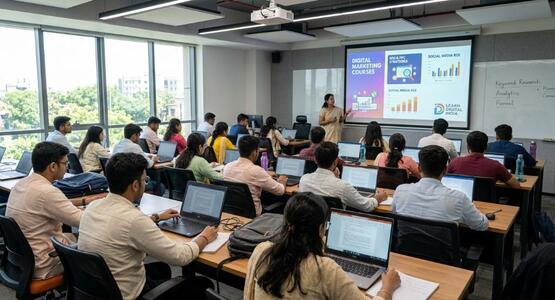
From Student to Digital Marketing Professional: How Digital Marketing Courses in Bongaon Can Transform Your Future
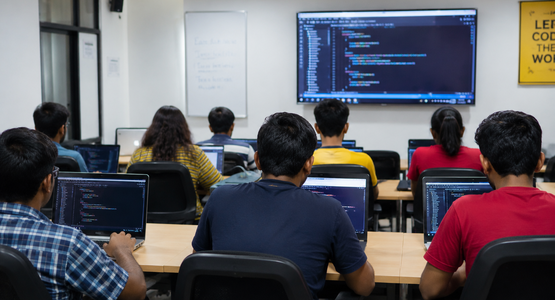
How Learning Python in Nahata Can Open Doors to Global Tech Opportunities

Why Students in Nahata Are Choosing Graphic Design as a Career in 2026
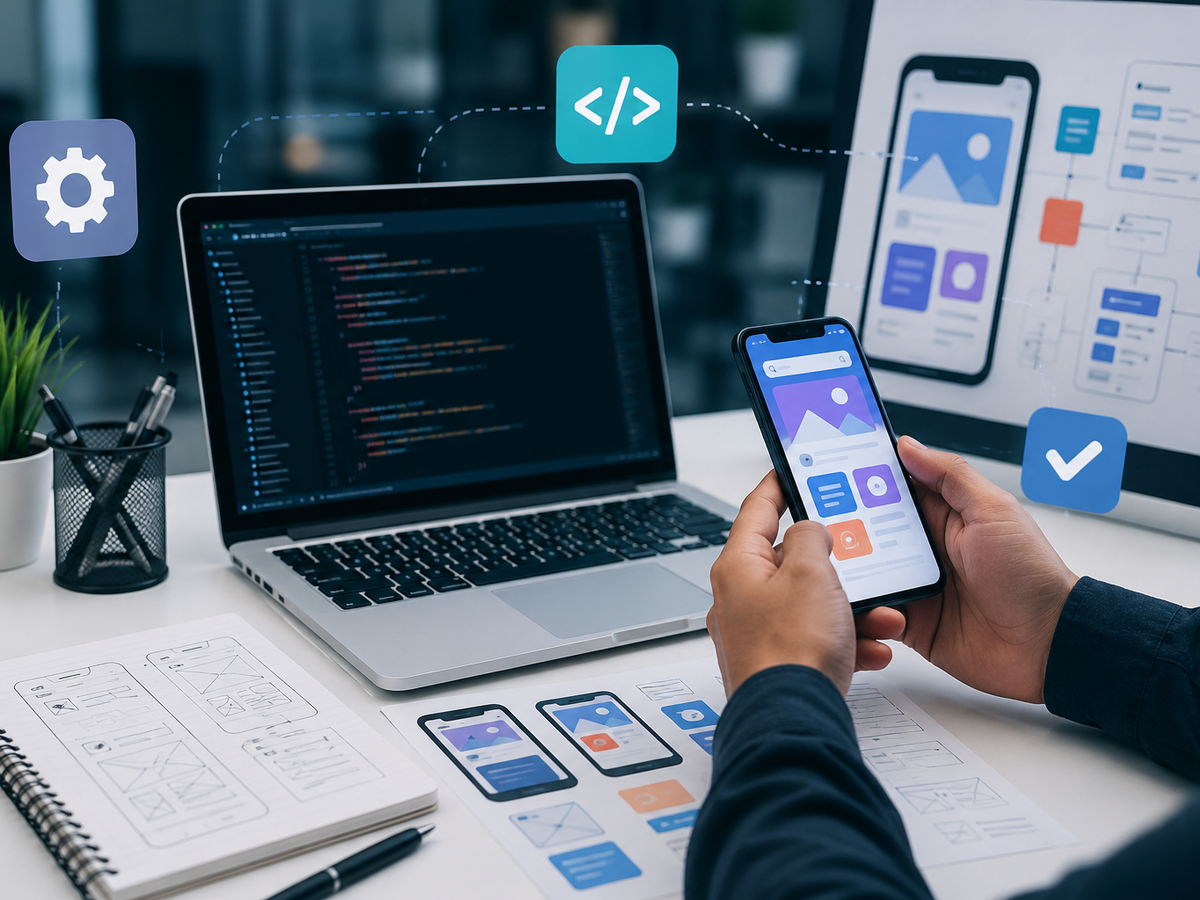
How a Mobile App Development Course in Kalasima Prepares You for the IT Industry
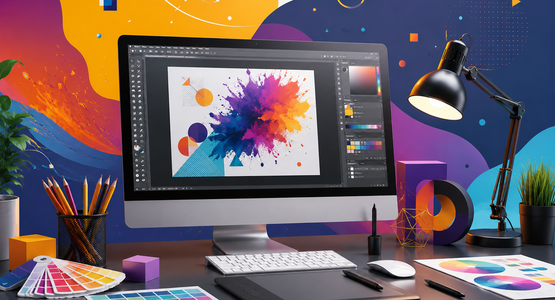
Graphic Designer Course in Helencha to Start a Successful Graphic Design Career

How Students Can Prepare for Job Opportunities for Graphic Designer in Kalupur

Programming Careers in Kolkata: What Happens After You Learn to Code?

Top Career Growth Opportunities for Digital Marketing Professionals in Gaighata

Career Opportunities After Learning Ionic App Design in Gopalnagar

Career Growth Potential Through IT Job Opportunities in Thakurnagar

Faculties from Mobile App Development Institute and Web Designing Institute work hand in hand as these are some of the essential requisites that a digital marketer needs to understand.
Sources